
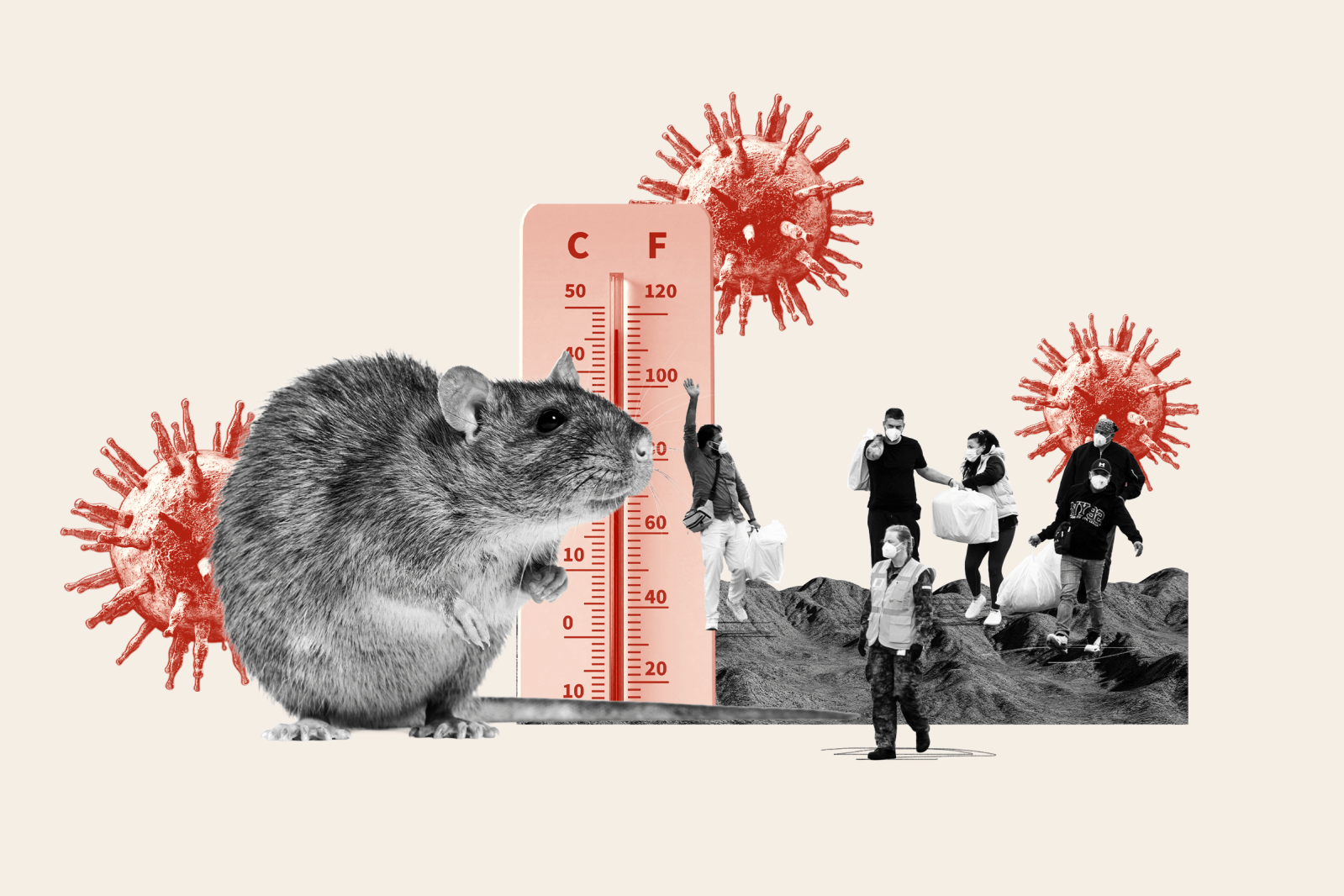
A possible development of a “super El Niño” in the Pacific may not only change weather patterns but also increase the risk of rare but deadly hantavirus infections in parts of the United States this summer. Experts warn that this could occur by boosting the rodent populations that carry the disease.
The recent outbreak linked to the MV Hondius cruise ship has significantly heightened public awareness of the hantavirus, a virus that was relatively unknown to many Americans before the incident. This infection cluster, which resulted in several deaths and catalyzed an international response, received widespread media coverage and led to monitoring and quarantine efforts worldwide, including in the U.S.
The U.S. Centers for Disease Control and Prevention (CDC) began tracking hantavirus in the United States in 1993 during a mysterious respiratory illness investigation in the Four Corners region, including Arizona, Colorado, New Mexico, and Utah. During this event, the Sin Nombre strain, not the Andes strain causing the cruise ship outbreak, was identified.
The 1993 outbreak led to recognizing hantavirus pulmonary syndrome (HPS) and initiated national surveillance, realizing the disease had likely gone undetected earlier. Although the National Oceanic and Atmospheric Administration (NOAA) identified 1993 as an ENSO-neutral year, above-average rainfall was noted in parts of the Southwest. Similar conditions now may affect the deer mouse populations—the primary hantavirus carriers—in the U.S. Southwest this summer.
What is Super El Niño?
A “super El Niño” is an informal term for an exceptionally strong El Niño event. El Niño is a natural climate pattern in which unusually warm surface waters in the central and eastern Pacific Ocean occur. While El Niño events happen every few years, a “super” event is rarer and involves ocean temperatures rising to extreme levels, typically at least 2 degrees Celsius (3.6°F) above average for several months. These high temperatures can disrupt normal wind patterns and atmospheric circulation, intensifying the typical global weather effects associated with El Niño.
Earlier this month, NOAA’s Climate Prediction Center forecasted that:
- El Niño has an 82 percent chance of emerging between May and July.
- El Niño has a 96 percent chance of continuing across the northern hemisphere between December and February 2027.
In the U.S., El Niño is known to affect various weather events, such as a weaker Atlantic hurricane season and increased rainfall during the Southwest’s monsoon season. According to AccuWeather meteorologist Tom Kines, some El Niño impacts may not be evident until winter, but increased rain in the Rocky Mountains and Southwest could begin as early as June.
How Super El Niño Could Increase Hantavirus Cases
Researchers suggest that a strong or “super” El Niño could heighten exposure risk due to changes in environmental conditions. More rainfall and warmer temperatures enhance vegetation growth, offering food and shelter for rodents like deer mice, the main U.S. carriers of the Sin Nombre virus.
Washington State University associate professor Stephanie Seifert remarked, “More rain leads to more vegetation, supporting more rodents, which can increase hantavirus risk.” Yates et al. in 2002 found increased risk following high precipitation events associated with El Niño in the southwestern U.S.
Seifert cautioned that other studies indicate weather likely influences deer mouse populations, but rainfall alone isn’t solely responsible. Milder winters or extended breeding seasons may also contribute to rodent population peaks. El Niño conditions typically bring not only increased precipitation but also warmer winters in much of the western U.S., potentially improving overwinter survival and extending breeding seasons for deer mice.
As rodent populations grow, the chance of human contact increases, particularly in rural or agricultural areas or enclosed spaces such as cabins or sheds, heightening the risk of infection. The environmental dynamics linked to the 1993 Four Corners outbreak, which brought national attention to hantavirus, are similar to the current situation.
Hantavirus Symptoms
Unlike the cruise-linked outbreak earlier this year, any increased risk in the U.S. would likely involve the Sin Nombre virus—the primary hantavirus strain in North America. Sin Nombre spreads to humans through contact with infected rodent urine, droppings, or saliva, typically inhaled after particles stir up in enclosed spaces. It is not known to spread from person to person.
Sin Nombre hantavirus causes hantavirus pulmonary syndrome in North America. The symptoms progress from an early flu-like phase to a sudden and severe respiratory phase.
Early symptoms include:
- Fever
- Fatigue
- Muscle aches (especially in thighs, hips, back, and shoulders)
- Headache
- Chills
- Gastrointestinal symptoms
Between four to ten days after early symptoms start, the cardiopulmonary phase begins, including:
- Cough
- Shortness of breath
- Chest tightness
- Rapid breathing
- Worsening fatigue
This phase results from fluid leaking into the lungs, making breathing difficult. Severe cases may lead to:
- Low blood pressure
- Irregular heart rate
- Respiratory failure
The fatality rate for HPS can reach up to 60 percent.
What Are Deer Mice?
Deer mice differ from house mice, which typically do not carry hantavirus, according to Orkin Entomologist Shannon Sked. Deer mice, also known as field mice, may still become indoor pests, particularly during winter as cold weather drives them indoors.
Deer mice get hydration from food, but increased rainfall boosts vegetation they consume and shelter in, potentially raising their population. The easiest way to distinguish between a house mouse and a deer mouse is through color. Deer mice are bicolor—either gray or brown with a white belly—while house mice are usually gray or brown. Careful cleaning of mouse droppings is advised, with the hantavirus potentially surviving up to six days on droppings.
Sked advises using a sanitizer before cleaning and highlights the importance of preventing mice from entering homes. Mice can fit through holes as small as a dime.
What Happens Next
Public health experts emphasize that even if conditions lead to increased rodent populations, hantavirus infections in the U.S. are rare and largely preventable. Basic precautions can significantly lower the risk. Avoid contact with wild rodents, seal home gaps, ventilate enclosed spaces, and avoid sweeping or vacuuming droppings without disinfectant.
The full extent of El Niño’s impact on the U.S. and subsequent rodent population changes is yet unknown. Despite the infection’s rarity, Washington State University’s Seifert warns it remains a serious threat. “Since 1993, not a single year has passed without HPS cases in the U.S.,” she notes.