
The political climate in the United States is currently adapting to several shifting dynamics as the midterm elections draw near. President Donald Trump continues to be a focal point, dominating national conversations and influencing the political landscape.
The Changing Political Landscape
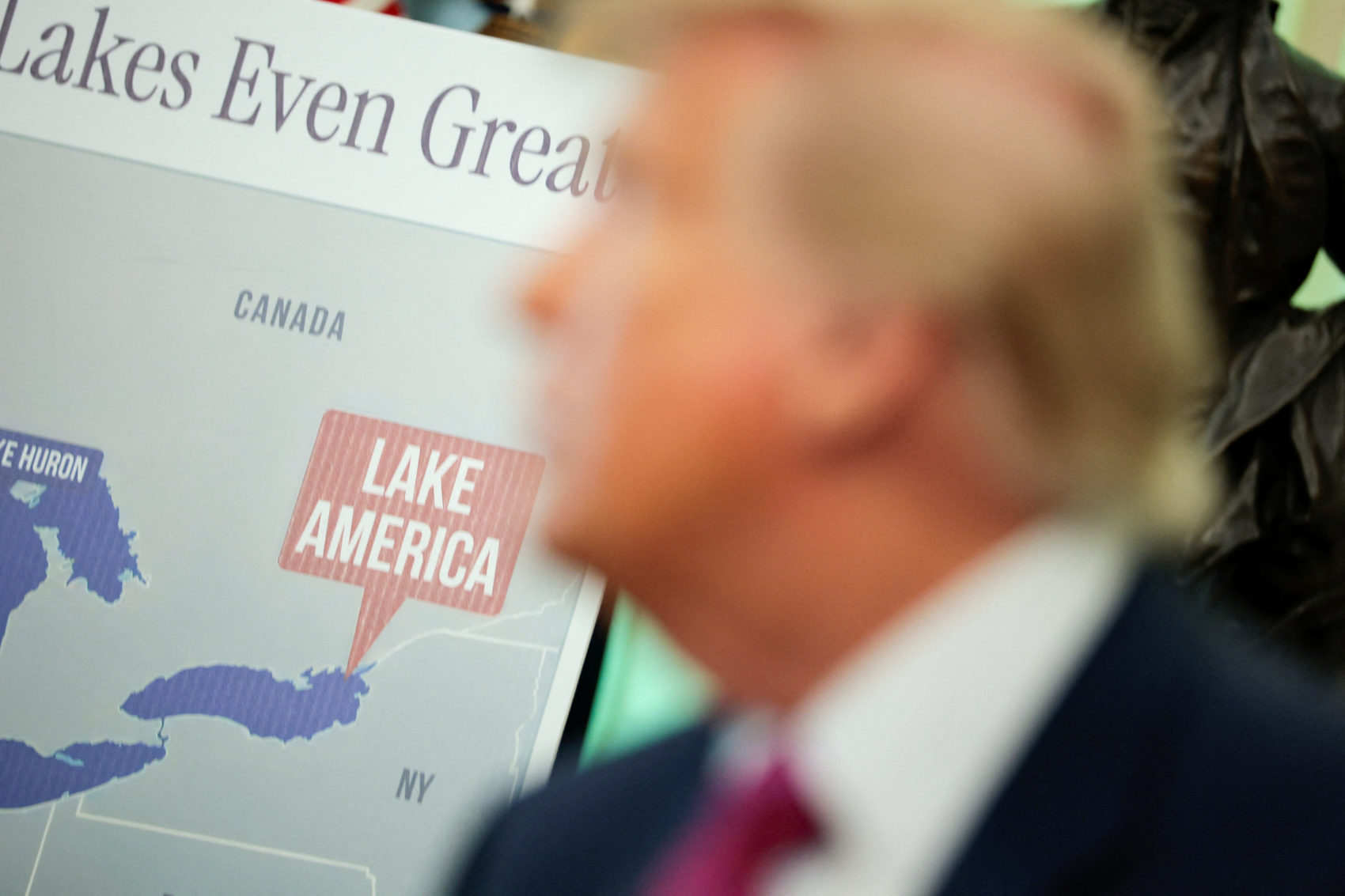
The nation has faced substantial changes, ranging from redrawn congressional districts in states like Texas, California, and Florida, to geopolitical tensions. Notably, the economic impact of Trump’s tariffs on Canada has been a focus, with potential ramifications for the upcoming elections. Additionally, recent developments have highlighted the ongoing debate surrounding mail ballots, particularly in states such as North Carolina.
The reshaping of Washington, including modifications to legislation and economy-related developments, aligns with Trump’s presidency. His wealth accumulation in office — unprecedented in recent presidential history — continues to be a major talking point. Trump’s business interests, notably in the cryptocurrency sector, have created waves in legislation discussions. Democrats insist on robust ethics provisions in response.
Role of Trump in the Midterms
Both Democrats and Republicans recognize Trump’s role in the run-up to the elections. Analysts like Ari Fleischer, who served under Republican President George W. Bush, have emphasized Trump’s centrality to election issues. The Democratic Congressional Campaign Committee, led by Rep. Suzan DelBene, echoes this sentiment, stressing the influence of Trump’s policies on the electorate.
Historically, midterm elections present a challenge for the incumbent president’s party. Key indicators suggest a volatile environment, with just a third of U.S. adults approving Trump’s presidential performance.
Democratic Strategies and Challenges
Democrats are eyeing a critical opportunity to regain control of the House and Senate, focusing on key states that hold the potential for shifts in power. The party is investing in governors’ races across states like Georgia, Ohio, and Iowa, aiming to challenge Republican holds. In Iowa, the governors association has invested significantly to connect with rural voters.
Despite optimism, Democrats face tough contests. Races in states like Arizona present challenges against strong Republican contenders. The Democratic strategy involves targeting issues with wide appeal while combating labels of extreme policies by Republicans.
Voting Concerns and Federal Influence
Various states express concerns over the federal oversight in elections, reflecting debates on state versus federal control. Some Republican leaders argue against federal involvement, championing state autonomy in electoral matters. Meanwhile, Democrats in pivotal states are organizing their electoral strategies to strengthen their political influence, emphasizing the significance of safeguarding the electoral process.
The elections serve as a keystone for potential future political directions of the country, with parties vying to position themselves favorably ahead of crucial upcoming elections.