
Residents of a small English village, Piddington, are expressing outrage over plans to house hundreds of asylum seekers in nearby disused military barracks. They are organizing a symbolic referendum to declare independence from the U.K. and join the U.S. Although this referendum holds no legal significance, it serves as a form of protest.
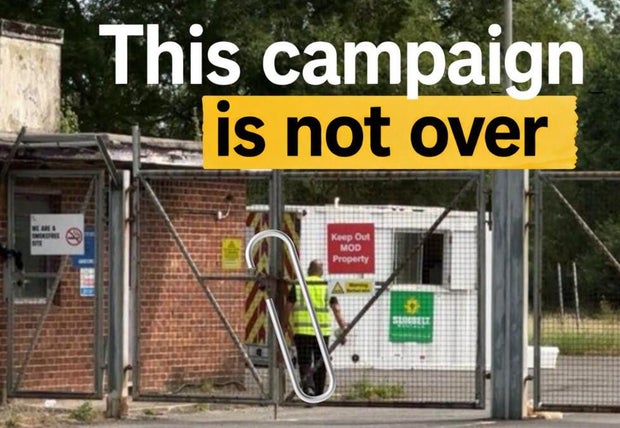
The British government plans to accommodate male asylum seekers at a Ministry of Defense property, roughly a mile from Piddington. This move has received overwhelming opposition from the local community. Calum Miller, the Member of Parliament for Bicester and Woodstock, shared an image on social media highlighting the protest against the government’s plan. The proposed Bicester Garrison site could house up to 1,250 people, which is over three times Piddington’s population.
Tim McNally, chairman of the Piddington Parish Council and a key figure behind the protest and referendum plans, likened the village’s struggle to that of George Washington’s fight for independence. McNally expressed his intent to deliver their declaration to the U.S. Embassy if the vote favors leaving the U.K.
On July 4, as the U.S. celebrated Independence Day, Piddington residents voted on whether to hold a referendum to exit the United Kingdom. BBC News reported that 96% supported holding the referendum. This action is primarily a statement to garner national attention rather than an actual attempt to secede. Supporters of the referendum argue that the community did not receive adequate consultation before the government announced the asylum housing plans.
Jane Coles, from the regional Oxfordshire branch of “Stand up to Racism,” expressed her opposition to the housing plan. She argued that it could become a focal point for right-wing agitation and polarization. Coles advocated for improved processing systems within the Home Office to reduce the need for housing such as that proposed at Bicester barracks.
Even before the protest referendum could be scheduled, Piddington’s proposal has captured global attention. Elon Musk, a prominent American tech investor known for his commentary on immigration, supported the village’s stance on his social media platform X. Musk criticized the situation and called for political change in Britain.
The British Home Office defended the strategy of using former military sites to decrease reliance on hotels as accommodations for asylum seekers. Regardless of the outcome, Piddington’s unique referendum idea has brought the spotlight on one of Oxfordshire’s smallest villages and highlighted the larger debate on immigration policy and government accountability to local communities.