
The Political Landscape in Ohio
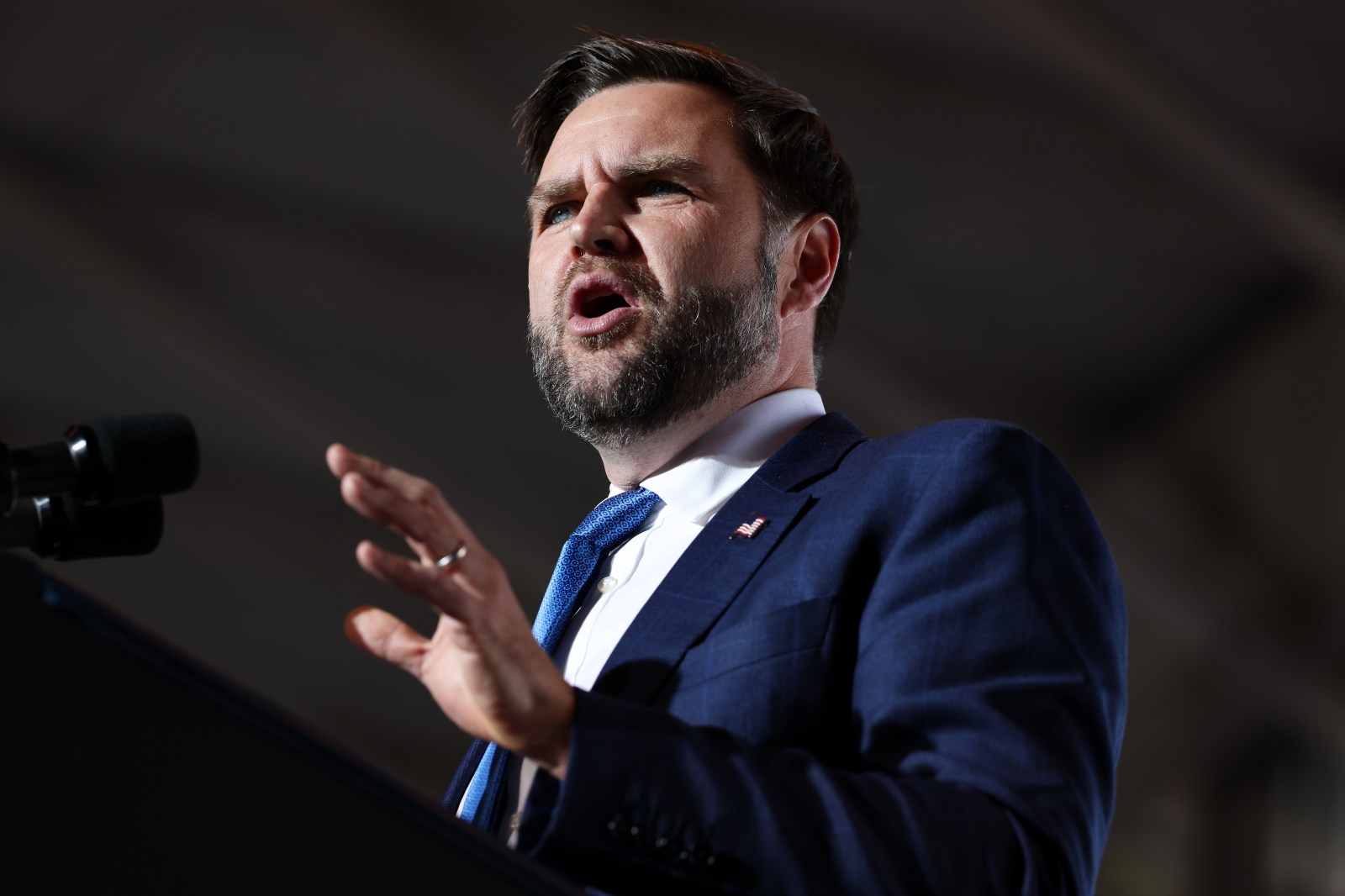
Vice President JD Vance recently spoke in Lima, Ohio, targeting Democratic candidates Amy Acton and Sherrod Brown. His rally coincides with intense campaigning as the 2026 midterms approach their final weeks. Ohio is proving competitive despite Donald Trump winning the state in his past presidential bids. Recent polls forecast tight races for both governor and Senate seats, placing Republicans on guard in a state that has leaned right over the past ten years.
Historically, the incumbent party loses ground in midterms when the president’s approval is low. Democrats hope Trump’s faltering popularity might appeal to Ohio voters, frustrated by economic conditions and cost of living pressures.
Current Contests
Amy Acton and Vivek Ramaswamy contend in the gubernatorial race, while Jon Husted faces Sherrod Brown in a special Senate election. This position was originally held by Vance before his vice-presidential election in 2022.
Republicans are leveraging Vance and Trump to rally support and prevent losses, given Vance’s Ohio roots and previous Senate role from 2023 to 2025.
Vance’s Criticisms
At the rally, Vance criticized Acton, labeling her as “crazy” and highlighting her past support for stringent COVID-19 measures for children. He made a controversial comment suggesting meeting her socially, referencing misleading ads about her drinking. Acton has firmly denied these claims, stating the inaccuracies about her personal life.
Vance also targeted Brown’s voting history, claiming he endorsed financial waste, contrasting him with Democrats from past generations. Brown’s campaign countered, attacking Husted’s policies, citing votes on war efforts, favorable tax deals for data centers, and healthcare cuts as evidence he prioritizes corporate interests.
Ohio’s Battleground Status
Ohio has regained battleground status, with both Senate and governor races considered toss-ups. The Cook Political Report and Sabato’s Crystal Ball indicate close contests. Previously, Trump secured Ohio decisively, but its historical backing of Obama illustrates its potential for shifting allegiances.
Democrats count on economic discontent as crucial, with nearly half of Ohio voters citing it as their main concern. A significant majority link Trump’s policies to higher living costs. The state’s rapid AI data center development is also a critical topic.
Polls Reflect Close Races
In the Senate race, a CNN poll shows Brown ahead of Husted by six points, but a co/efficient survey gives Husted a slight edge. The results are within margins of error, suggesting an unpredictable outcome. Brown previously represented Ohio in the Senate until Vance’s appointment.
For the governor’s race, polling paints a similar picture of uncertainty. Acton leads in a CNN poll, though a different survey shows Ramaswamy narrowly in front. Both candidates enter this election without prior electoral experience, with Acton’s health department tenure and Ramaswamy’s business background adding unique perspectives.
The Broader Implications
Ohio’s Senate race plays a crucial role in the overall power balance of the Senate. With Republicans holding a slim majority, Democrats aim to gain four seats to control the Senate, considering Vance’s potential tie-breaking vote. They need to capture two seats in states previously secured by Trump, with Ohio being a key target.
Election results will indicate Democrats’ success in reclaiming support among the rural white voters who drifted Republican during Trump’s influence. Ohio remains a focal point as strategic efforts intensify on both sides.