
“You made me promises. Promises. Knowing I’d believe. Promises. Promises. I knew you’d never keep.” — Promises, Promises by Naked Eyes
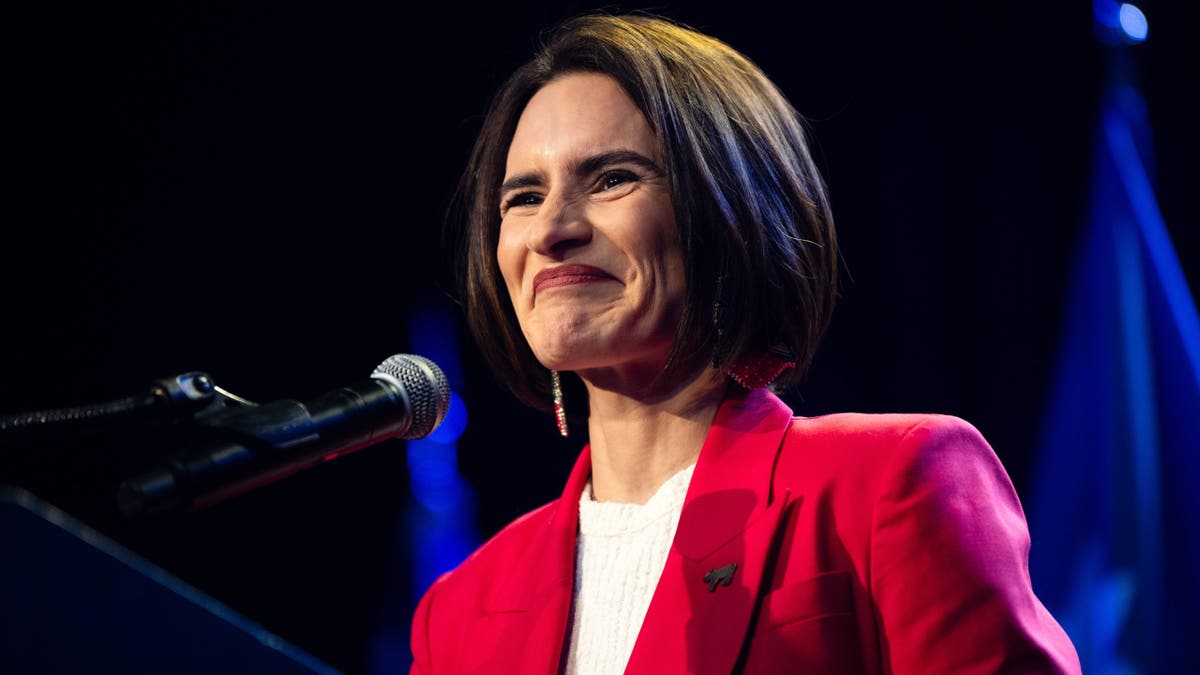
Minnesota’s Democratic nominee for Senate, Lt. Gov. Peggy Flanagan, is a strong supporter of Medicare-for-all. She announced her intentions to collaborate with Sen. Bernie Sanders to navigate the U.S. Senate and harness power for essential needs. Flanagan, among other progressive candidates, promotes policies like Medicare-for-all, the Green New Deal, and a $25 minimum wage. These progressive candidates are challenging the traditional Democratic establishment.
Flanagan is competing against Republican nominee Michelle Tafoya for the seat of retiring Sen. Tina Smith. Current trends favor Flanagan, but the race is not guaranteed. Democratic Socialist candidates, such as Donavan McKinney in Michigan and Chris Rabb in Pennsylvania, are likely to secure wins in Democratic strongholds.
In the upcoming midterms, Democrats face a challenge. Success hinges on candidates like Cait Conley in New York’s Dutchess County, whose win could be critical. This pattern repeats in Ohio, with Brian Poindexter, and Iowa, with Christina Bohannan.
The progressive agenda might excite the base, but translating it into legislative success is difficult.
If Democrats gain control, the real test will be persuading moderates from swing districts to endorse progressive policies. Securing essential votes in the Senate presents an additional hurdle, particularly with a potential Trump veto.
Historically, both parties have faced difficulties fulfilling campaign promises. Republicans’ 1994 victory came with the “Contract With America” promise, yet many initiatives failed. Democrats in 2006 aimed to pull out of Iraq but experienced delays. In 2010, Republicans hoped to repeal ObamaCare but did not succeed entirely.
Invigorating the base while governing effectively remains a challenge for both parties. House Minority Leader Hakeem Jeffries has been discussing legislative commitments with DSA-backed candidates to secure support for a potential Speaker role. His task would be to manage diverse factions within the party.
The possibility of Democrats attempting to pass Medicare-for-all raises questions. Moderate Democrats like Marie Gluesenkamp Perez may hesitate to support procedural plans for progressive proposals due to district demographics.
Jeffries, aiming for pragmatism, has not endorsed Medicare-for-all. He emphasizes the need for a balanced approach, considering both progressive demands and moderate needs. He proposes alternative initiatives, such as investigations into the Trump administration. These could provide a unifying cause for Democrats, appealing to both progressives and moderates.
Political realities may limit legislative achievements despite a Democratic majority. However, strategic moves like investigations could align with base expectations, reflecting the complex dynamics of current political campaigns.