
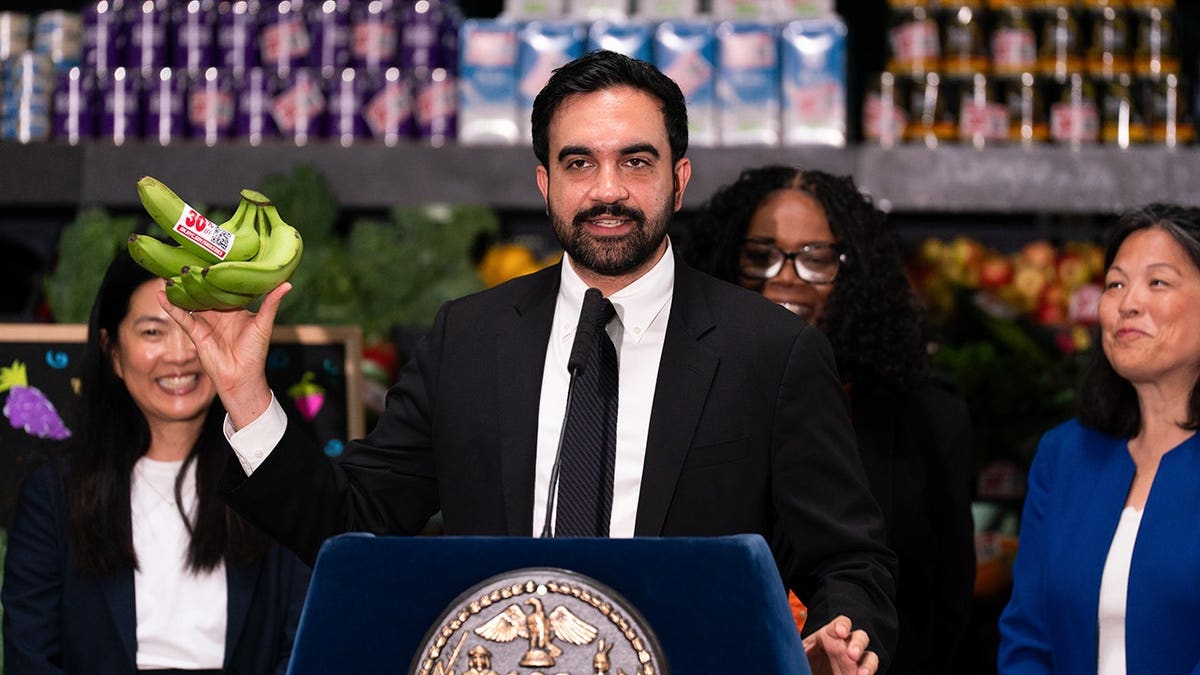
New York City Mayor Zohran Mamdani is moving forward with a plan to establish five city-run grocery stores. However, John Catsimatidis, CEO of Gristedes, warns these stores might harm local businesses, particularly bodegas and existing supermarkets. He argued this would negatively impact the community, raising concerns about competition.
In July, Mamdani announced the stores would open across the city’s five boroughs, starting with Hunts Point in the Bronx by late 2027. The goal is to have them all operational before the end of Mamdani’s term in 2030, with an estimated budget of $70 million.
Government’s Approach to Lowering Grocery Prices
The government-run shops will offer a 30% discount on a core basket of everyday groceries, including meat, seafood, and fresh produce, in an effort to address the affordability crisis in the city, according to Mamdani’s administration.
Mamdani stated that grocery prices should not cause distress for New Yorkers. The city is accepting bids from private operators to manage the stores, and the administration promises to cover property taxes and rental costs. Catsimatidis argues this places local business owners at a disadvantage, as these city-run stores won’t bear such expenses.
Challenges Facing Local Stores
Catsimatidis mentioned several challenges faced by business owners, including increased competition from online vendors and thin profit margins in local grocery stores. He believes city-run stores may not last long due to these adversities. The Gristedes CEO also expressed concerns about congestion pricing, which increases costs for businesses in Manhattan.
The Broader Impact of Congestion Pricing
Enacted in January 2025, Manhattan’s congestion pricing adds to the burden on city businesses. Many deliveries require an additional charge due to this policy, impacting local stores’ pricing strategies and competitiveness.
Addressing Food Insecurity
Despite concerns, Nevin Cohen from the CUNY Urban Food Policy Institute highlighted the need to tackle food insecurity in New York City. With 1.4 million residents struggling to afford food and many relying on SNAP benefits, Cohen emphasized the importance of initiatives like FRESH, which incentivizes the development of supermarkets in underserved areas.
Catsimatidis acknowledged that the city-run grocery stores are positioned to assist lower-income residents but remains apprehensive about the potential impact on existing businesses. He expressed concern over the implementation of Mamdani’s democratic socialist policies and their influence on local commerce.