
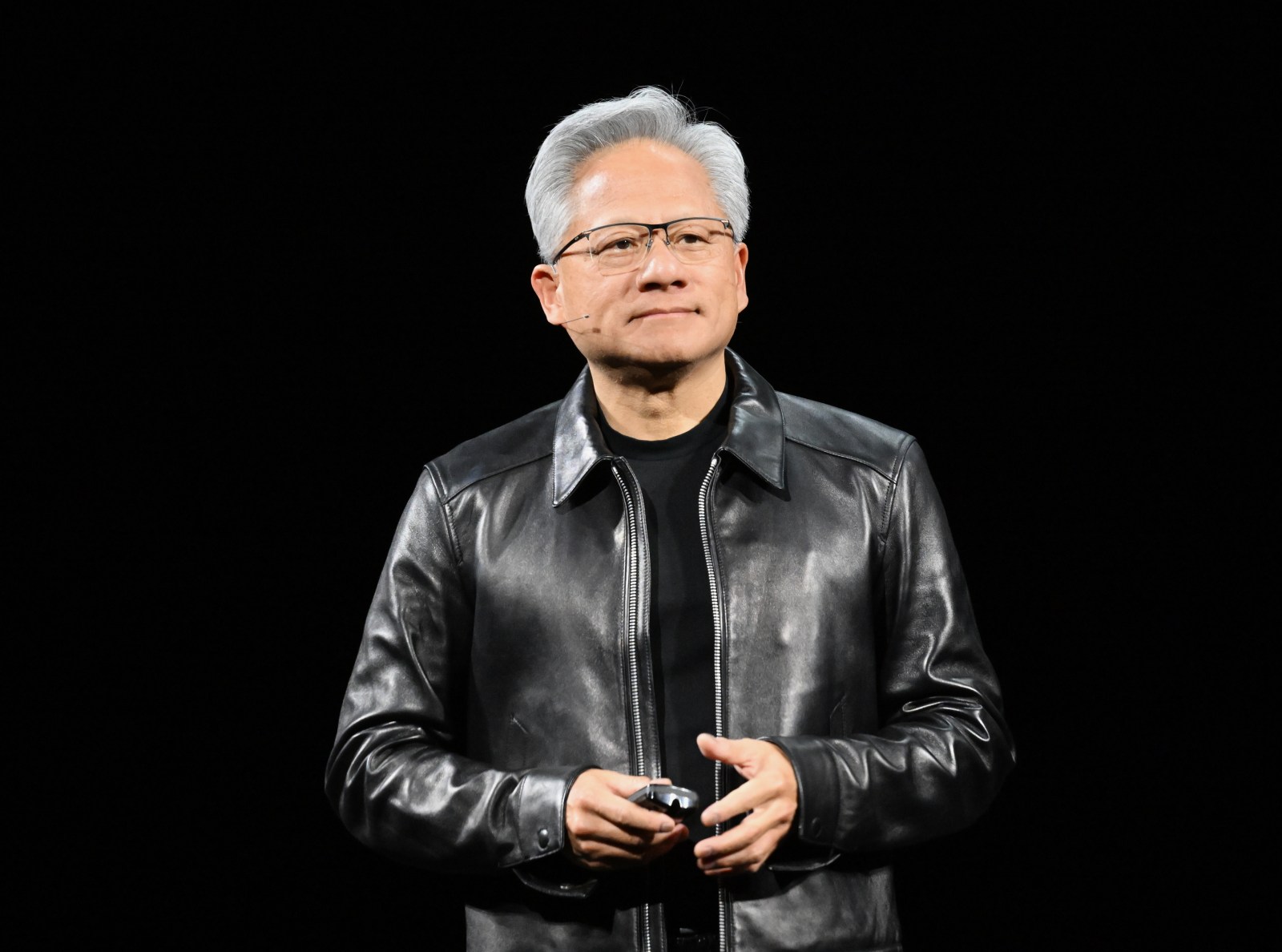
Nvidia’s CEO Jensen Huang is at the center of an investigation following reports of an alleged foreign espionage attempt. Huang admitted to an extramarital affair, prompting concerns about Nvidia’s leadership stability. This situation raises significant questions about the company’s dependency on its founding CEO and what the future may hold if he steps down.
The Leadership Challenge
Industry experts emphasize the difficulty Nvidia would face in replacing Huang. Jay Aldebert, from International Services Inc., argues against trying to find another leader like Huang. He suggests adopting a leadership structure that shares responsibilities, reducing reliance on a single individual. The company’s resilience during a leadership change is crucial, as investor uncertainty could arise if Nvidia’s direction seems unclear.
Aldebert points out that businesses often struggle more with momentum rather than product quality after changes in leadership. Nvidia’s current situation showcases a common risk even in trillion-dollar companies.
Investigation and Allegations
Nvidia’s board has hired Joon H. Kim, a former acting U.S. Attorney, to conduct an independent investigation into the espionage reports. Huang expressed remorse about his actions and pledged full cooperation. The alleged foreign intelligence effort, linked to a Chinese company, has been denied by China.
While the FBI’s involvement and President Trump’s comments hint at broader implications, Nvidia asserts no compromise of national security or company secrets has occurred so far.
However, investor Mark Kistenmacher filed a lawsuit, accusing Nvidia of misleading stakeholders regarding the affair and its possible national security impact.
Future Possibilities
In case of significant investigatory findings, options besides Huang’s removal exist. Suggestions include greater oversight or appointing an independent chair. Colette Kress, Nvidia’s CFO, is viewed as a potential interim CEO for her familiarity with the company. Ian Buck and Arm CEO Rene Haas are other names mentioned for longer-term leadership roles.
Aldebert and tech analyst Dave Altavilla note any transition must prioritize stability to avoid execution risks, especially as Nvidia plays a key role in AI infrastructure.
Leadership Structure Reform
Should Nvidia need to search beyond its ranks, candidates like former Intel CEO Pat Gelsinger and AMD CEO Lisa Su may be considered, albeit with challenges. Aldebert stresses essential qualities like technology knowledge and investor confidence.
The overarching challenge isn’t merely replacing Huang but rethinking the leadership model. A new approach could involve a leadership framework that prevents over-reliance on a single figure, signaling to the market that Nvidia’s strength lies beyond just one individual.