
North Korean hackers have reportedly stolen more than $400 million in cryptocurrency through a scheme involving fake video calls, according to the FBI. These cybercriminals impersonate friends and colleagues to deceive targets during video calls.
The operation, dubbed “FaceStealer,” involves hijacking messaging accounts and secretly recording victims through their webcams. This footage is then used to trick contacts into downloading malicious software. The hackers convincingly replicate platforms like Zoom, Microsoft Teams, and Google Meet, exploiting familiar faces and fake glitches to access victims’ computers.
How FaceStealer Operates
The FBI outlines six stages of the “FaceStealer” scam, where each victim becomes a potential gateway to new targets.
Stage 1: Initial Compromise
Hackers begin with an already compromised computer. They search for cryptocurrency wallets and passwords, access contacts and messages, and record webcam footage during fake calls.
Stage 2: Messaging Account Hijack
They seize accounts on platforms like Telegram, LinkedIn, Slack, and Discord. Impersonating the account holder, they arrange video calls under false pretenses, using existing messages to add credibility.
Stage 3: Staging Fake Video Calls
Hackers use real scheduling services like Calendly to set meetings. Targets receive fake video call links, leading them to counterfeit conferencing websites controlled by the hackers.
Stage 4: Playing Pre-Recorded Footage
During the call, targets see manipulated footage of a familiar face. Hackers play recordings from previous attacks, sometimes using multiple clips to mimic a group meeting.
Stage 5: Malware Installation
The hackers simulate technical issues, convincing victims to download updates or run code, which installs malware capable of stealing data, logging keystrokes, and recording screens.
Stage 6: Continuing the Attack
With new access, hackers can repeat the scam, using the latest victim’s identity to deceive others. They often delay thefts, waiting until cryptocurrencies accumulate in wallets.
Deepfake Deception
The FBI notes that hackers use AI-generated videos to impersonate cryptocurrency industry figures, leveraging photos and audio to create convincing fake appearances.
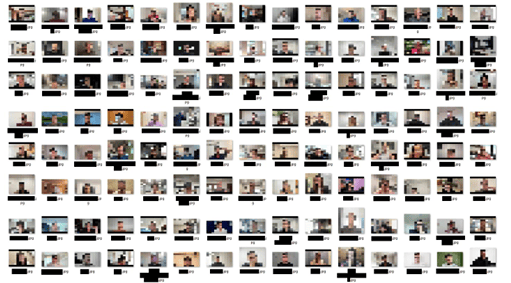
Authorities have identified and seized more than 900 webcam recordings used in these scams. The FBI explains that the operation exploits trust in video conferencing and personal relationships.
Potential Wider Exposure
Hackers also targeted software developers. Earlier this year, they deceived a developer managing a popular JavaScript library, jeopardizing millions of downloads. The attack was detected before causing extensive damage.
FBI Countermeasures
The Justice Department seized cloud infrastructure linked to the “FaceStealer” scheme. The perpetrators are believed to be North Korean state-sponsored hackers, and cryptocurrency theft is said to fund the regime’s weapons program.
Identifying Potential Targets
Warning signs include unexpected video invites or requests to install software during calls. The FBI advises using official meeting apps and verifying invitations through alternate communication methods. Keeping webcams off until verifying the identity of the inviter is recommended.
If compromised, secure accounts, update passwords, and alert contacts. Cryptocurrency should be moved to new wallets on unaffected devices. Suspected incidents can be reported to the FBI at IC3.gov under the keyword “FaceStealer.”