
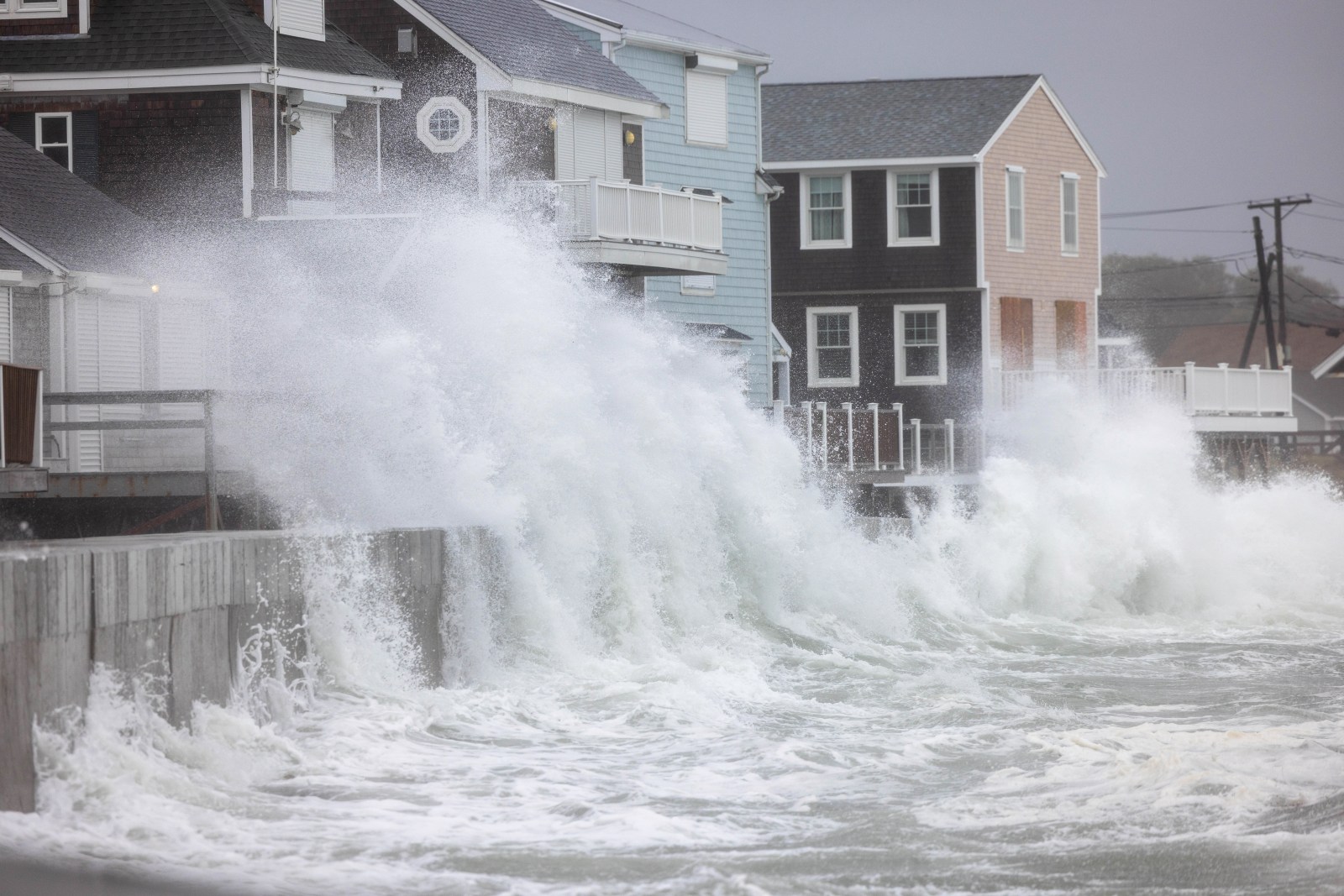
A developing nor’easter in the Atlantic is raising concerns among meteorologists about its potential effects on parts of the U.S. This coastal storm could pose more risks than hurricanes earlier this year. Just a few weeks ago, a similar storm impacted the East Coast, bringing strong winds and heavy rain.
This year’s Atlantic hurricane season has seen lower-than-usual activity because of El Niño strengthening in the Pacific. El Niño shifts weather patterns, disrupting hurricanes by causing wind shear but potentially increasing nor’easters in winter. A National Weather Service meteorologist explained that El Niño impacts are more common in winter, so its role in the current storm is uncertain.
AccuWeather’s senior meteorologist Carl Erickson noted that more nor’easters could affect the U.S. coast than hurricanes by November 30, which marks the end of hurricane season. Nor’easters may cause significant coastal impacts even when offshore.
The hurricane season typically has 14 named storms, with seven hurricanes. However, this year, only nine storms have occurred, including Hurricane Isaias in October.
Nor’easter Evacuations and Emergency Measures
The developing storm has led to numerous warnings, including storm and gale alerts from the NWS. A state of emergency was declared for Hatteras Island, North Carolina, with orders for visitor evacuations due to the storm’s potential to flood Highway 12. Erickson expressed concerns about prolonged coastal impacts, with wind gusts possibly reaching 60 mph.
Significant impacts could affect southeastern Virginia and North Carolina’s Outer Banks, causing flooding, beach erosion, and road closures. Lingering offshore, the storm may result in repetitive flooding and exacerbate damage from the previous nor’easter.
The National Hurricane Center warns of possible subtropical development, which could bring high winds, coastal flooding, and dangerous surf along the East Coast. The storm’s erratic movement is expected to last through the middle of next week.
Understanding Nor’easters
Nor’easters are storms affecting North America’s East Coast, with winds originating from the northeast. They can occur anytime but are strongest between September and April. Typically, they bring heavy rain, snow, and gale-force winds, with possible coastal flooding.
Nor’easters differ from hurricanes in their formation and energy sources. While hurricanes form over warm tropical waters and have a defined eye, nor’easters draw energy from atmospheric temperature contrasts. Despite these differences, both storms can cause significant damage.
Forecast and Preparation
Meteorologists continue monitoring the nor’easter’s progress. AccuWeather suggests the storm will intensify next week, with strong winds from North Carolina to New Jersey lasting through Tuesday. Coastal flooding and erosion might persist through Thursday.
Residents in affected areas should stay updated with local weather alerts. Meanwhile, El Niño’s strengthening may influence U.S. weather patterns into early 2027, affecting fall and winter weather.