
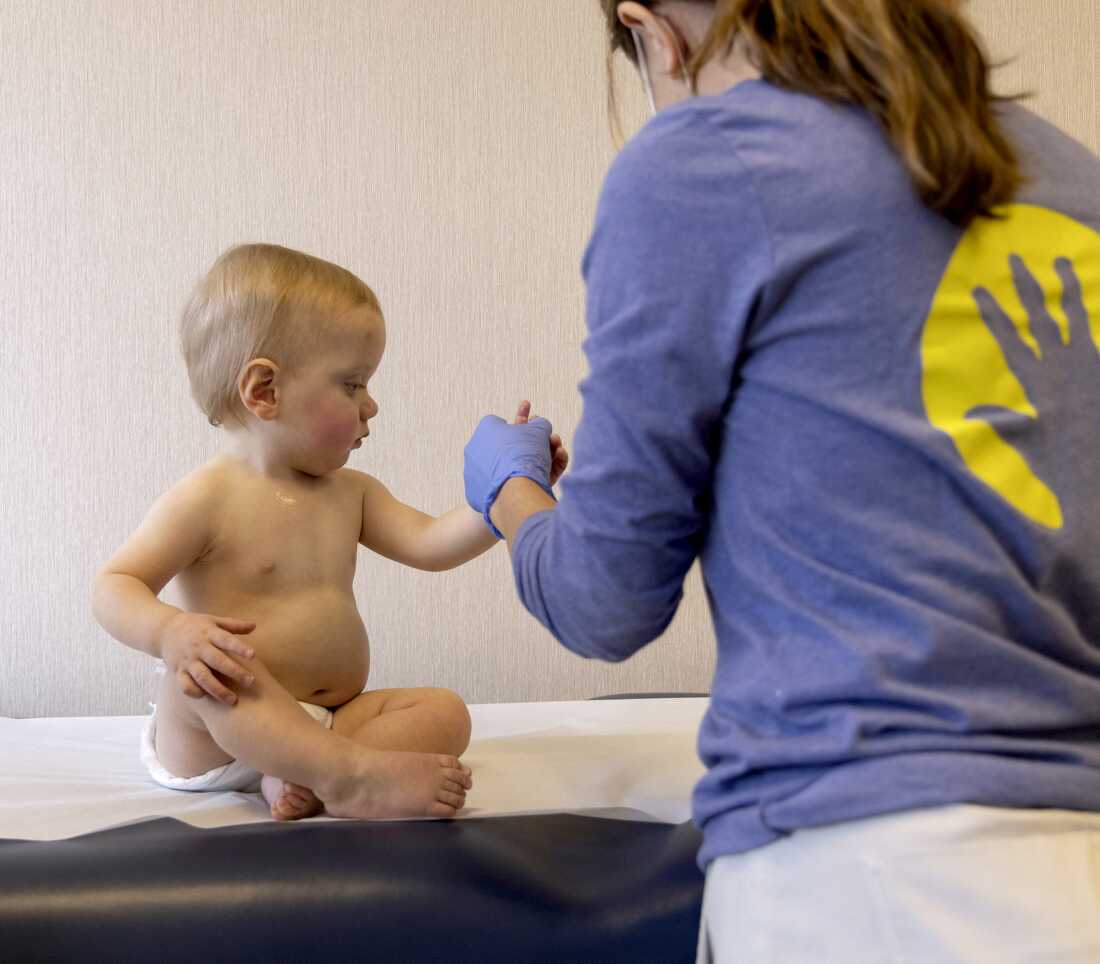
Recently, President Trump signed an executive order related to childhood vaccines. During an Oval Office ceremony, Trump was joined by top health officials and a conservative commentator who spoke about her child and current pregnancy. They labeled the move as ‘historic’ and ‘significant.’ But, practically, what changes have occurred in childhood vaccine policy in the U.S.?
Current Availability of Childhood Vaccines
For now, all vaccines listed in the childhood vaccine schedule endorsed by pediatricians are available. According to Dr. Jennifer Shu, a pediatrician in Atlanta, parents in her practice are not inquiring about the executive order’s implications for their children. ‘Initially, there were concerns about access to certain vaccines but that has changed,’ she states. Earlier attempts from the administration to alter the list and timing of vaccines have not succeeded.
The executive order requests specific research and report writing but does not bring immediate changes. Jen Kates, from the Global and Public Health Policy Program at KFF, highlights the federal government’s limitations. ‘States and parents have the say on vaccine choices,’ she explains. Most states allow exemptions, thus preserving parental choice, unaffected by the executive order.
Impact on Insurance Coverage
Health insurance coverage remains the same for all vaccines recommended by the American Academy of Pediatrics. Vaccine coverage with no copays continues, even for uninsured families. In May, AHIP confirmed health plans would cover CDC-recommended vaccines until the end of 2027.
Timing of the Executive Order
Prompts remain unclear regarding the executive order’s timing, especially before midterm elections. Some Republican pollsters expressed concerns about potential political repercussions. Trump emphasized the order because of personal beliefs, recounting his efforts to spread out injections for his children. These thoughts reflect personal views rather than scientific evidence, as studies debunk any vaccine-autism link.
Spacing Out Children’s Vaccines
Some families ask about altering vaccine schedules, inspired by Trump’s method. Dr. Shu clarifies that the current schedule, combining vaccines, is safe and effective. Separating them could leave children vulnerable and lead to more doctor visits. Combining them can enhance their efficacy.
Dividing the MMR Vaccine
The executive order suggests dividing the measles, mumps, and rubella vaccine into three separate shots, though this isn’t currently available in the U.S. The administration plans to work with drugmakers on this. Jen Kates of KFF notes there’s no evidence supporting the division, which might increase injections, counterproductive to Trump’s concerns about numerous vaccines.
KFF surveys show general parental support for vaccines, but misinformation could affect public health. ‘Even minor reductions in vaccination rates can lead to outbreaks, like measles,’ Kates warns.