
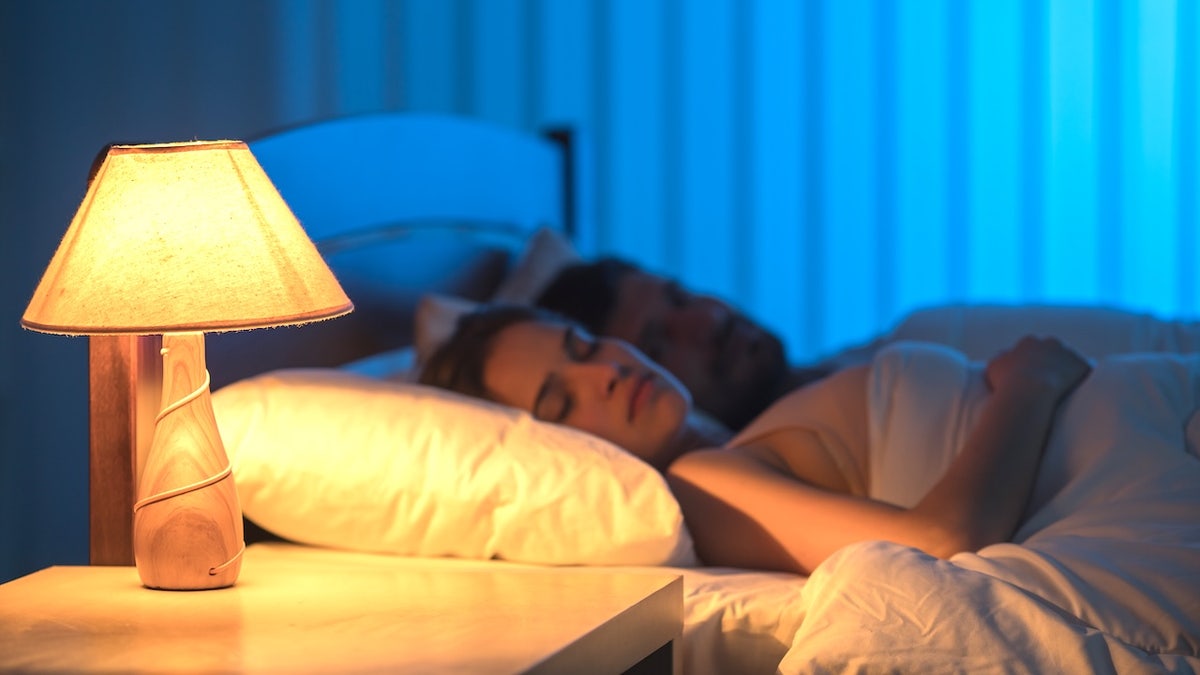
A study by Tulane University highlights concerns about sleeping with lights on due to potential risks of cardiovascular disease. Researchers have linked exposure to more than 3 lux of light—equivalent to moonlight brightness—to increased risks of various heart conditions, including heart failure and stroke.
Neuroscientist Chelsie Rohrscheib explains the crucial role of the circadian rhythm in sleep regulation. She notes that light entering the eyes influences melatonin production, a hormone that facilitates sleep. Excessive light exposure at night can impede melatonin production and harm sleep quality.
Consistent exposure to light during sleep can reduce overall sleep quality, affecting biological processes such as hormone release and cognitive functions. Poor sleep increases the risk of chronic health issues, including cardiovascular diseases and diabetes.
A Northwestern Medicine study found that moderate light exposure disrupts glucose regulation and increases sympathetic nervous system activity. Sleep researcher Ashley Curtis warns that nighttime light exposure can exacerbate existing sleep problems, especially in sensitive groups like shift workers, children, and older adults.
Blue light from screens is most disruptive to melatonin suppression. Conversely, dim, warm lights cause less circadian disruption. Practical measures such as turning off overhead lights, using dimmer bulbs, and avoiding screens before bedtime can improve sleep quality.
Implementing these changes can create a healthier sleep environment without requiring absolute darkness. Dim night lights and blackout curtains help minimize light pollution and its adverse effects on sleep.