
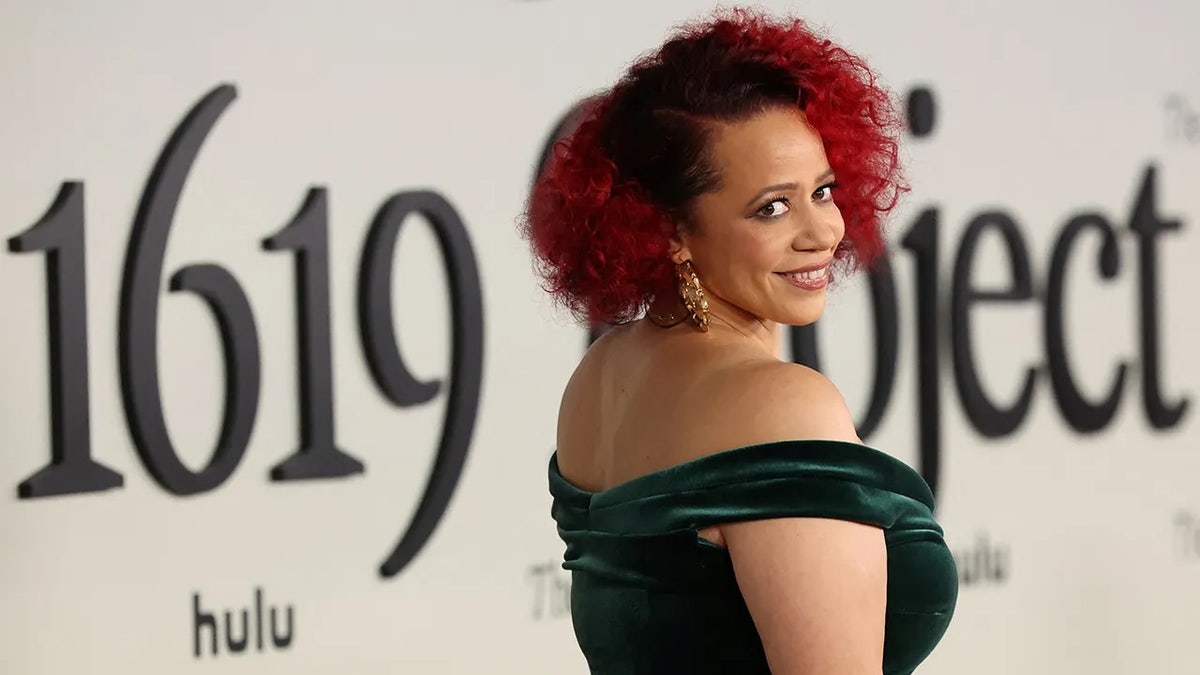
Nikole Hannah-Jones, known for her work on the 1619 Project, recently expressed regret over her decision to enroll her daughter in predominantly Black, high-poverty public schools in Brooklyn. A decade after choosing this educational path as a way to confront school segregation, Hannah-Jones acknowledged she did not provide her daughter, now 16, with the quality of education she deserved.
In a New York Times Magazine essay, Hannah-Jones revisited communications with her daughter’s educators. She confronted what she called a harsh truth: her daughter Najya deserved a better educational experience. Hannah-Jones said, “This girl, my only child, looked to me to protect her, to give her what she needed to thrive. And I had not chosen her.”
Hannah-Jones highlighted the plight of families who lack the means to seek better schooling options. “I hope people concerned about the choice my husband and I made for our daughter will have equal or more outrage for the thousands of Black children whose parents don’t have the resources to send them to better schools,” she stated.
Parents should put their children first. They should not sacrifice them to a failing government school system in the name of ideology.
Corey DeAngelis from The Heritage Foundation commented on Hannah-Jones’ essay, urging that parents should prioritize their children’s individual needs over ideological motives. He expressed hope that Hannah-Jones would come to support school choice policies.
Years after enrolling Najya in P.S. 307, Hannah-Jones recognized that educational issues, such as limited homework and inexperienced teachers, hindered her daughter’s learning. Najya and her classmates expressed concern over their academic challenges, feeling they weren’t learning sufficiently.
Unison Principal Emily Paige acknowledged that efforts to support students lagging academically had unintended negative effects. “This is what happens, right? It’s racism under the guise of antiracism,” Paige remarked.
During the ongoing debate on school choice, teachers’ unions oppose Governor Kathy Hochul’s initiative to participate in a federal scholarship program intended to increase educational alternatives. The 1619 Project, despite critical scrutiny, remains influential in discussions on race and history in education.