
Efforts to Close the ‘Voluntary Intoxication Loophole’
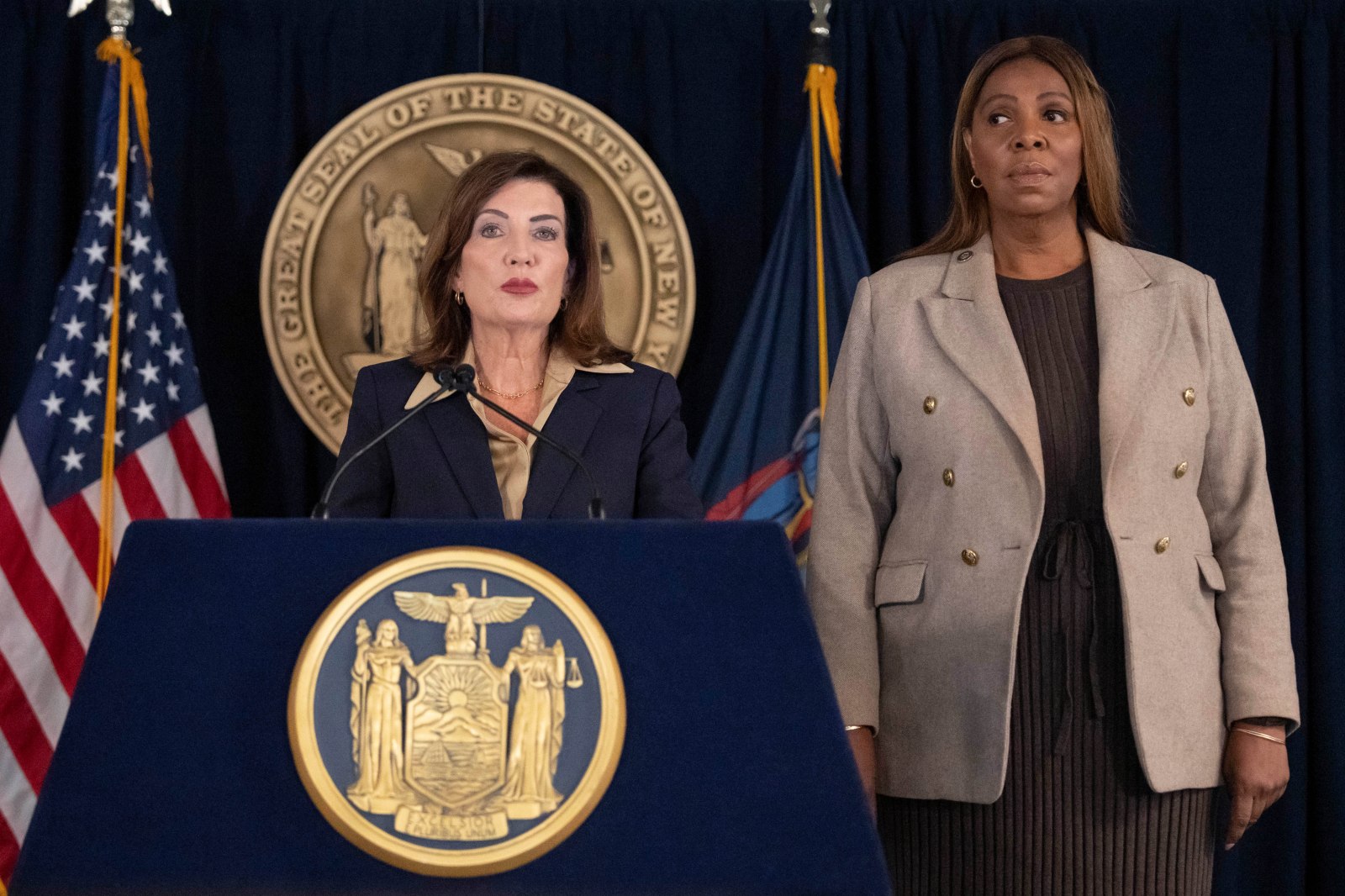
New York Governor Kathy Hochul announced her commitment to working with legislators to close the ‘voluntary intoxication loophole’ in the state laws. This decision comes in response to an investigation into an alleged gang rape at Cornell University in 2024. Hochul has appointed state Attorney General Letitia James as a special prosecutor for the case.
According to Hochul, the case underscores a gap in state law that must be addressed. She underscored the importance of consent, stating, “If someone is too intoxicated to consent, it should not matter whether they chose to use drugs or alcohol. Voluntarily intoxication is not a license for sexual assault.” Hochul expressed her intention to collaborate with the New York state Legislature to close this loophole.
Investigation and Legislative Efforts
Hochul’s action follows new information questioning the handling of the case in 2024. She has expressed distrust in Tompkins County Attorney Matthew Van Houten’s ability to oversee a revived investigation due to his reliance on the current state law. Van Houten previously cited this law in defending his decision not to file charges against the accused individuals.
The case revolves around a young woman who Hochul believes deserved better protection from day one. She highlighted the expectations parents have for college safety and asserted that students deserve advocacy when facing such situations.
Hochul promised to make every effort to close the loophole. She aims to push for legislative action by January, aiming to address the voluntary intoxication exemption.
Calls for Change and Support
Reports have indicated that the state Senate approved proposals to close the loophole four times since 2019, yet they did not reach the Assembly for a vote. Manhattan District Attorney Alvin Bragg voiced support for Hochul. He advocates for eliminating the distinction between voluntarily and involuntarily intoxicated victims in sexual assault cases.
“Driven by what we see in our own practice, we have long called for New York State to eliminate the voluntary intoxication loophole,” Bragg stated, noting that both drugging individuals and assaulting voluntarily intoxicated persons should be seen under the same legal lens.
Bragg’s comments highlight the inadequacy of current laws in 19 states. These laws only recognize mentally incapacitated victims if intoxication occurs without consent. Changes in Minnesota, Michigan, and Texas serve as precedents for potential New York reforms.
Push from Other State Legislators
State Assemblyman Jeffrey Dinowitz has championed changing the law since 2019. He voiced frustration over delays, stressing the urgent need for reform considering the allegations at Cornell. Dinowitz’s proposals indicate a resolve to ensure justice for survivors.
Past experiences in states like Minnesota have driven legislative revisions, emphasizing the need to consider all forms of intoxication when prosecuting sexual assault. Legal updates are gradually being adopted nationwide.
Ongoing Investigations and Public Reactions
Attorney General James echoed the importance of thorough investigations. She emphasized that every report of crime deserves comprehensive examination and fairness.
Messages allegedly sent among accused fraternity members provide disturbing insights into the case. Public figures like Alexandria Ocasio-Cortez have spoken out against such normalization of violent behavior.
Ocasio-Cortez stressed that such incidents should never be normalized or protected, indicating a broader societal change urged by public figures to prevent future occurrences.