
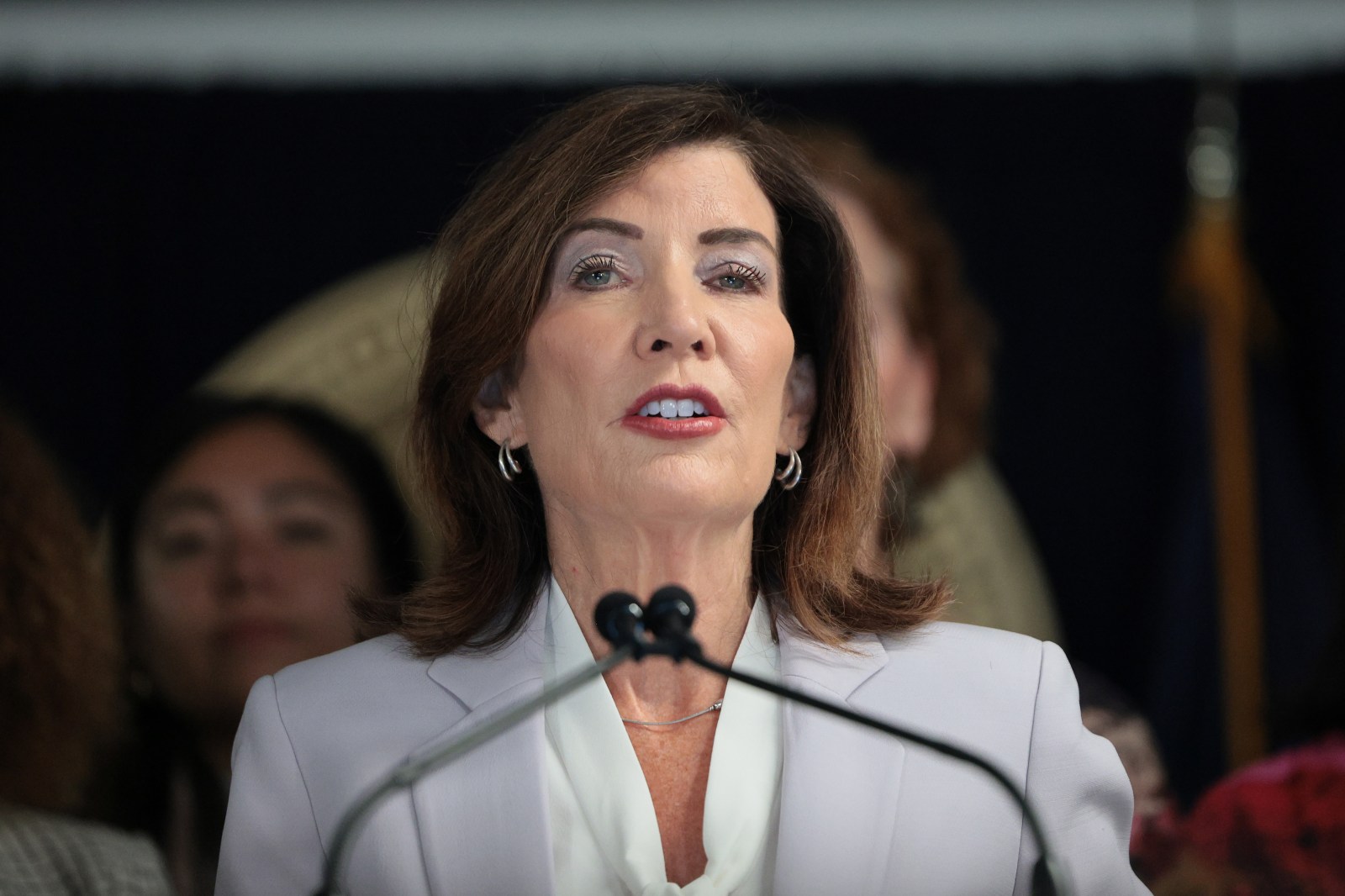
Starting September 21, over 8.2 million households in New York will receive energy rebate checks up to $200. This is part of a $1 billion state relief initiative. Governor Kathy Hochul announced that these payments aim to help residents manage increasing utility and household expenses.
The rebates are part of the Protecting Our Wallets Energy Rebate (POWER) program. Eligible households will get checks based on income and filing status, with amounts ranging from $100 to $200. The distribution will continue through December.
Importance of Energy Rebates
Energy costs pose a significant challenge for many households, especially with rising utility bills and gas prices. This rebate program is among the largest energy-relief initiatives by any state. It provides direct support to families dealing with increased costs, offering immediate financial relief as they approach the colder months.
These rebates provide immediate relief, particularly as households face high electricity costs during the colder months. Yet, a one-time payment only eases higher bills rather than resolving the affordability issue.
Details of the POWER Program
- The rebate program is a one-time $1 billion initiative approved in the 2027 budget.
- Rebates will be mailed as physical checks to eligible households, who do not need to apply.
New York seeks to alleviate the burden of increasing utility costs and fuel prices. Since 2021, over $7.6 billion has been allocated in direct utility-bill relief. The state invested an additional $1.4 billion in weatherization, energy efficiency, and renewable energy.
Qualifying for the Rebates
To qualify, residents must have filed a New York State income tax return for 2024, been full-time residents, reported their income within qualifying thresholds, and not been claimed as dependents.
The effort by New York reflects the broader economic concern over energy affordability due to inflation pressures. Factors such as international conflicts and tariffs contribute to rising prices, beyond the control of domestic policies like Federal Reserve rate hikes.