
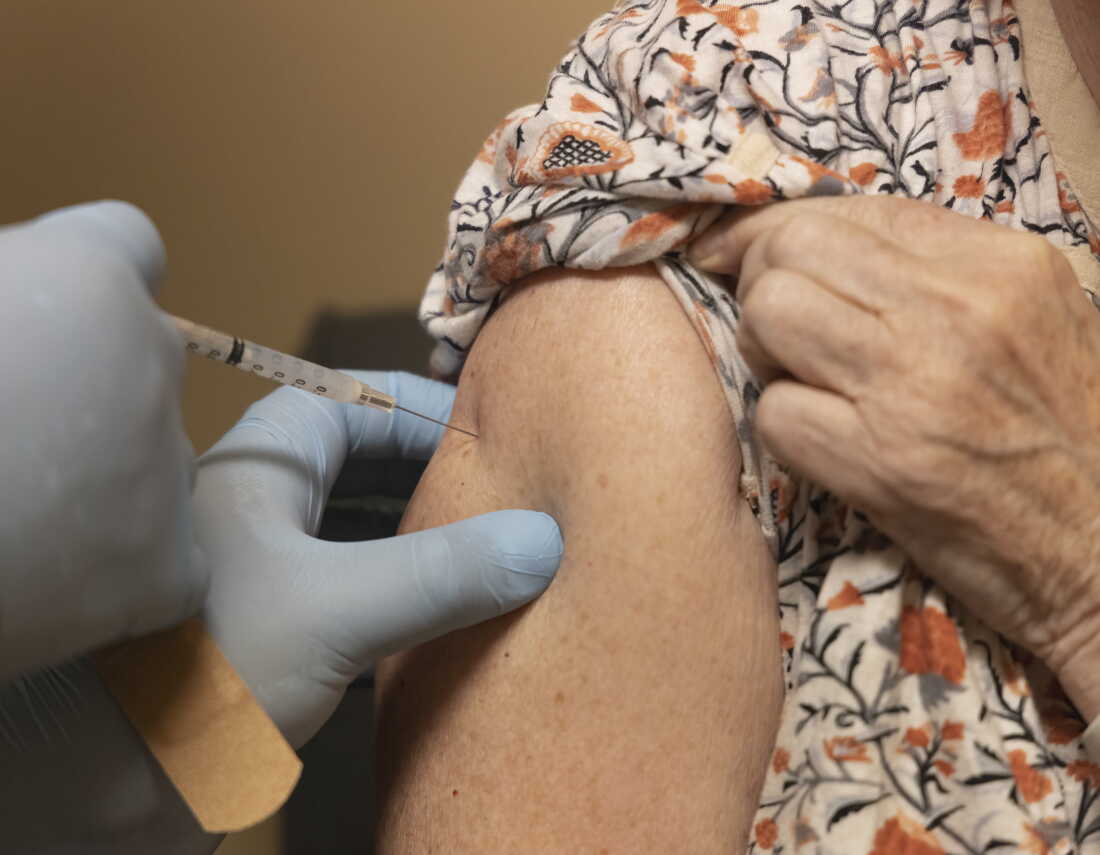
As respiratory disease season approaches, several medical organizations have released new vaccination guidelines. These guidelines address the latest COVID-19, flu, and RSV vaccines, which have been independently analyzed and deemed safe and effective in preventing severe complications.
Medical Groups Issue Recommendations
The American Academy of Pediatrics, the American College of Obstetricians and Gynecologists, the American College of Family Physicians, and the Infectious Diseases Society of America have all recommended continuing vaccinations. Their advice aims to fill a gap left by the absence of new federal guidelines from the Centers for Disease Control and Prevention (CDC).
“Unfortunately today, the federal government is not fulfilling that responsibility in the way that it historically has. But the need for that work has not disappeared,” said Bruce Gelin of the Vaccine Integrity Project.
These groups recommend broader vaccination than the Trump administration, including routine COVID vaccines for healthy younger adults, young children, and pregnant individuals. Current federal advice does not include these groups for routine vaccination.
Federal Guidance Issues
Traditionally, the CDC would update immunization guidelines annually. However, a lawsuit has halted the CDC’s process, as Trump’s administration attempted to reduce the number of routine childhood vaccines. Despite this, some independent experts hoped for CDC guidance before the next wave of respiratory infections. The administration has extended flu vaccine recommendations but remains silent on others. This has created confusion, as many rely on CDC guidelines for vaccination information.
Public health authorities dispute claims linking vaccines to autism, maintaining the safety and effectiveness of vaccinations. Dr. Sandra Adamson Fryhofer of the American Medical Association emphasizes the role of science-based federal recommendations, noting a decline in public trust due to changes at the federal level.
Impact on Insurance and Access
Vaccination guidance significantly impacts insurance coverage, pharmacy administration, and federal supply of vaccines. Although vaccination rates have decreased, most people can still access free immunizations through private insurers, Medicare, and federal programs like the Vaccines for Children Program. Some states have enabled pharmacists to administer shots independent of federal guidelines.
New Vaccine Data Analyses
The Vaccine Integrity Project collaborated with the American Medical Association to publish analyses in JAMA. These analyses influenced the updated guidelines. Although access to COVID vaccines has been restricted to high-risk individuals, the American College of Obstetricians and Gynecologists recommends COVID vaccines for pregnant or breastfeeding women.
The American Academy of Pediatrics suggests COVID vaccinations for young children and broadened RSV immunization guidelines. They also recommend annual flu shots from six months and older. The American Academy of Family Physicians advises adults 19 years and older to get updated COVID vaccines and suggests adults over 65 receive a second dose. A novel mRNA flu shot for adults over 50 offers potentially stronger protection.
Dr. Sarah Nosal from the American Academy of Family Physicians stresses the importance of vaccinations in preventing illness and protecting communities.
Timing Considerations
People may consider getting COVID or flu shots earlier if at high risk or planning large gatherings. Others may wait for protection during peak infection times. Dr. Fryhofer suggests considering vaccination ahead of major events.
While the Vaccine Integrity Project received praise for its efforts, the absence of federal guidelines may lead to continued confusion and lower vaccination rates.