
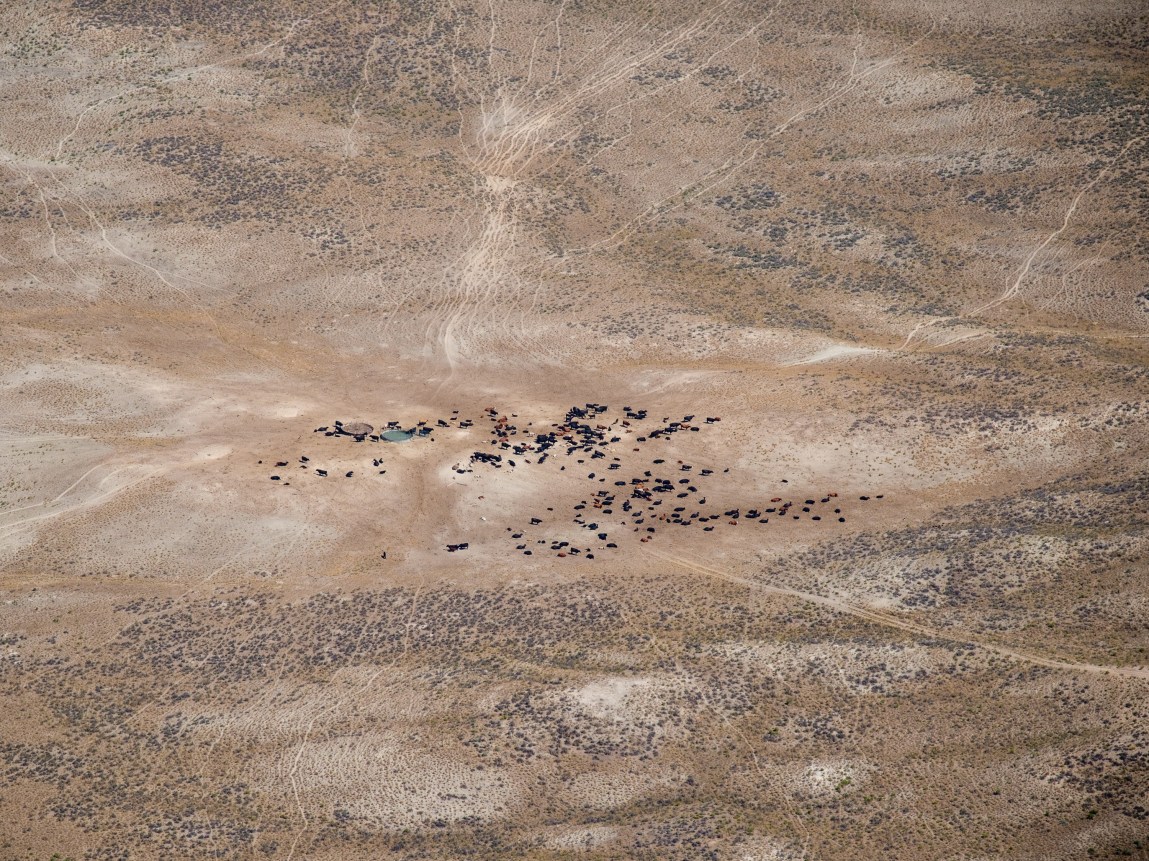
The federal government is revising rules for ranching on public lands, potentially increasing livestock grazing on 155 million acres in the West. This area is larger than the state of New Mexico. The existing system overseeing these lands is nearly hundred years old. It offers significant subsidies to wealthy Americans while overlooking environmental damages.
Research by ProPublica and High Country News highlights concerns from experts about overgrazing. Despite these concerns, the first overhaul of rules since 1995 is in progress. The U.S. Department of the Interior’s Bureau of Land Management is drafting new guidelines that expand grazing. Another significant change involves curtailing public involvement in the decision-making process for grazing permits.
“They’re clearly trying to reduce involvement of anyone other than ranchers,” said a BLM employee.
The Bureau of Land Management did not comment on these changes, which went public in May. After a public comment phase, the rules return to the agency in mid-July for further evaluation. A June news release claims the changes reflect the administration’s priority to reduce regulatory burdens and support local economies.
Interviews with numerous current and former BLM employees reveal that some aspects of the proposed regulations hold potential benefits. They include requiring ecological impact reviews of all public land use, avoiding unnecessary disputes through informal low-level violation handling, and aligning codes with recent legal decisions.
Tim Canterbury, president of the Public Lands Council, has praised the update, noting it allows ranchers to utilize scientific and management advances from the last 35 years. Other rangeland management groups argue the regulations excessively favor ranchers, threatening Native American tribes’ grazing rights and maintaining highly subsidized fees.
ProPublica found that in 2024, ranchers paid $284 million less than the market rate for public land use.
Josh Osher from the Western Watersheds Project warns the revisions could increase wildlife impact by expanding areas accessible to livestock. Cattle grazing significantly affects land near water sources, as seen on BLM parcels in Nevada.
Industry Influence and Criticism
The livestock industry had substantial influence in drafting these rules. The National Cattlemen’s Beef Association and Public Lands Council celebrated their contributions to a memorandum guiding a ‘Grazing Action Plan’ for updated regulations. In contrast, Native American tribes and conservation groups have voiced concerns about limited input opportunities.
Karen Budd-Falen, an official in the Interior Department with ranching ties, played a role in the regulatory revisions. Despite potential conflicts of interest, a waiver allowed her involvement. Native American tribes managing bison herds worry changes could jeopardize their permits. The Trump administration’s support of ranchers has already impacted such permits.
Reduction in Public Participation
There is concern over limiting public participation in grazing decisions. The proposal redefines ‘interested public,’ potentially allowing only those with a business interest a say. This would result in less public consultation, cooperation, and coordination during decision-making.
Ranchers benefit from eased appeals against unsatisfactory rulings. This policy pauses decisions, allowing continued practices. Critics argue this invites frequent appeals, undermining management decisions.
New regulations also improve the justification for placing herds on public lands to reduce wildfire fuel. However, challenges in removing animals when needed raise concerns among agency staff. Permit renewals become simpler as well.
Nada Culver, former deputy director of the BLM, notes the proposal focuses on reducing public participation at all levels, exacerbating overgrazing concerns.
The Trump administration has prioritized reactivating vacant plots for grazing, even for lands recovering from environmental disruptions or invasive species. By the following year’s end, plans aim to fill each vacant space with ranchers.
Examples include grazing on the Horseshoe Allotment in Arizona’s Agua Fria National Monument.