
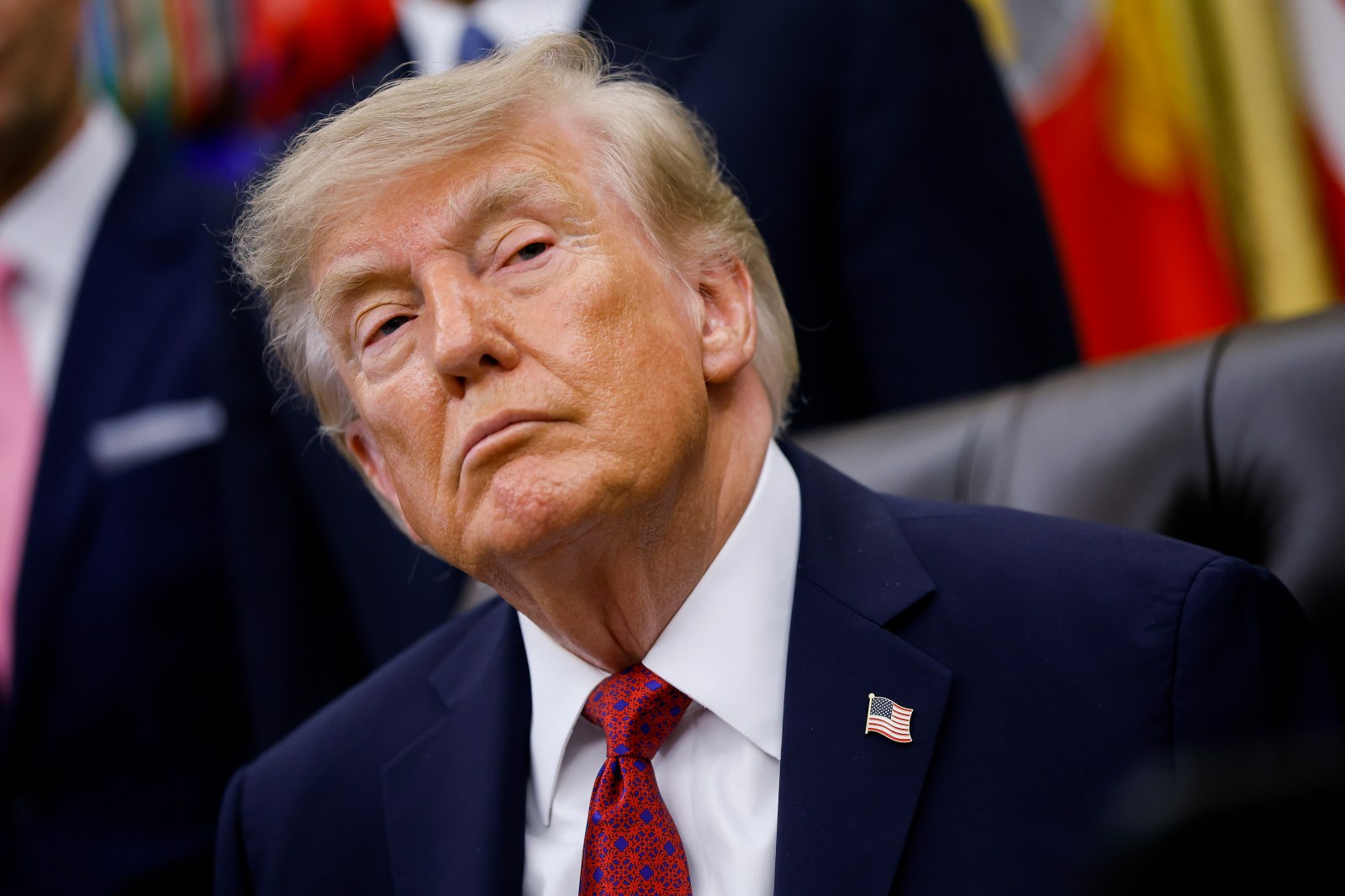
A legislative proposal introduced by Representative Shomari Figures, a Democrat from Alabama, aims to overturn a significant student loan reform introduced under former President Donald Trump. The bill, known as the Restoring Opportunity for Advanced Education Act, seeks to reinstate access to Grad PLUS loans and remove the federal borrowing caps for graduate and professional students established by Trump’s administration.
Background on Student Loan Changes
The Trump administration’s limits on graduate student borrowing took effect on July 1. These placed caps on federal loans and ended the Grad PLUS program for new borrowers. The Department of Education introduced these limits to manage excessive debt and press colleges to control tuition costs.
However, critics have expressed concerns. They argue these regulations may prevent middle-income students from pursuing graduate education if they cannot manage extensive out-of-pocket expenses or secure private loans. Professional degrees often cost well into six figures, potentially affecting future doctors, lawyers, and other professionals.
Details of the One Big Beautiful Bill Act
The One Big Beautiful Bill Act, signed last year, made significant changes to federal student aid. One major change was the elimination of the Grad PLUS loan program, which previously allowed borrowing up to the full cost of attendance. New borrowing limits set on July 1, 2026, restrict graduate students to $20,500 per year and $100,000 total. Professional students can borrow $50,000 per year, up to a total of $200,000. Additionally, there is a lifetime federal student loan limit of $257,500 across programs.
The Trump administration stated these reforms would prevent excessive borrowing and encourage educational institutions to reduce costs. Under Secretary of Education Nicholas Kent mentioned in a statement that the rule changes aim to allow students access to higher education without incurring excessive debt.
Financial Implications of Graduate Education
Many professional degrees, including medicine, dentistry, veterinary medicine, pharmacy, and elite MBA programs, cost over $200,000 to $300,000 when combined with living expenses. Notably, some dental programs can exceed $500,000 in total costs. Graduates in law, psychology, and pharmacy also face substantial debt burdens.
Proposed Changes by Figures’ Legislation
The new bill seeks to reverse the borrowing restrictions for graduate and professional students. It aims to eliminate annual and lifetime borrowing limits while reinstating the Grad PLUS loan program.
Kevin Thompson, CEO of 9i Capital Group, argued that the student loan caps aim to ensure borrowed amounts align with expected income from degrees. They also intend to pressure institutions to lower costs. Without these limits, more funds could enter degree programs, potentially contrary to the current administration’s goals.
Lawmakers’ Views on the Legislation
Representative Figures noted that existing borrowing limits threaten access to higher education for many students. He emphasized that education should be accessible to all Americans, regardless of economic background. He commented that the President’s bill restricts access to graduate education to only those who can afford high upfront costs. His proposed bill aims to remove federal student loan limits, facilitating education for deserving students.
Potential Impact on Borrowers
Experts in higher education have warned that the new restrictions might force many students to seek additional financing. Financial literacy instructor Alex Beene noted that the new caps could force students to rely on private loans, which often lack federal protections and flexible repayment options.
Research from American University indicates that approximately 370,000 graduate and professional borrowers each year could exhaust their federal loan options under the new limits, increasing reliance on private loans. The repeal of these limits could boost access and reduce dependence on private lending, although it might also reduce pressure on universities to manage costs.
Future Outlook of the Legislation
The proposed legislation may face challenges in a Republican-controlled Congress. Kevin Thompson highlighted the unlikelihood of the bill passing, given that Republicans implemented the current caps. The debate over federal student loan policies will likely persist in the coming years.