
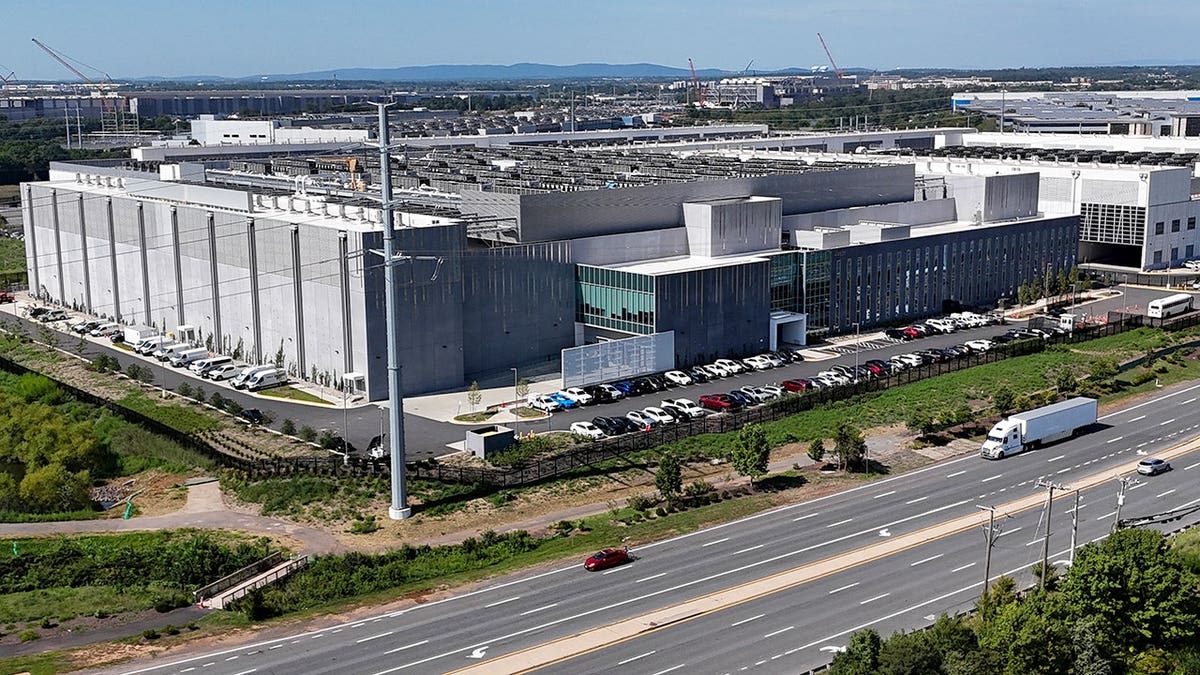
The push to expand America’s technological infrastructure is encountering resistance from communities asked to host it. This situation pits Washington’s efforts to outpace China against increasing local backlash.
Rep. Suhas Subramanyam, D-Va., represents America’s “Data Center Alley.” He warns that backlash could obstruct the development Washington deems a national priority unless Congress intervenes. He argues that community involvement is crucial to keep expansion moving.
“The communities are being overwhelmed by the industry,” Subramanyam told Fox News Digital. “They feel like no one is listening to their concerns.”
Subramanyam is proposing a four-part federal plan to address issues he identifies as a false choice between unchecked development and complete moratoriums. The plan tackles siting, power costs, energy and water measurement, and security for facilities and surrounding communities.
Data Center Alley: Hub of Tension
Ashburn, Virginia, is recognized as the center of Data Center Alley. Subramanyam explains that residents understand the need for infrastructure but object to cost and burden distribution. Loudoun County claims data center revenue has helped lower its real-property tax rate, but Subramanyam argues residents must consider hidden costs like increased utility bills.
The industry disputes claims that data centers raise residential power bills. The Leesburg-based Data Center Coalition referenced an analysis by consulting firm E3, which found no evidence of data centers increasing electricity costs under current rate structures.
The Fair Share Act
Subramanyam’s Fair Share Act proposes requiring states to make large power users pay more for infrastructure costs required to serve them. “At the federal level, if we say that we’re going to take away some of your federal funding if you do this, then it will be a no-brainer,” he said, arguing data centers should pay for infrastructure they necessitate.
Local and Federal Reactions
The tension surfaced again as complaints of noise and encroachment were reported from a massive data center near an Ashburn cul-de-sac. Subramanyam insists the infrastructure cannot evolve “ad hoc” under disparate state and local regulations.
Other aspects of the plan involve setting federal siting and measurement standards and developing protections against security threats, including attacks overseas.
State Action and Responses
States have started to focus on these concerns. Virginia Governor Abigail Spanberger unveiled a framework in September aimed at enhancing local control, shifting more infrastructure costs onto major users, and setting standards for water use and grid reliability.
Additionally, states like West Virginia adopt different strategies, such as microgrid programs to attract large projects, sparking debate over local government powers and potential tax implications.
The Importance of Coordinated Efforts
Subramanyam and political leaders emphasize the need for coordinated efforts. He highlights the stark differences in approaches on either side of the Blue Ridge and urges a proactive solution to prevent further resistance.