
Homeland Security Secretary Markwayne Mullin recently discussed the growing alliances between terrorists and cartels targeting the United States. Speaking on ‘The Sunday Briefing’, Mullin outlined federal measures tackling these threats, alongside evolving drone and foreign cyber threats. He also noted the push by some lawmakers to reduce funding for border enforcement agencies.
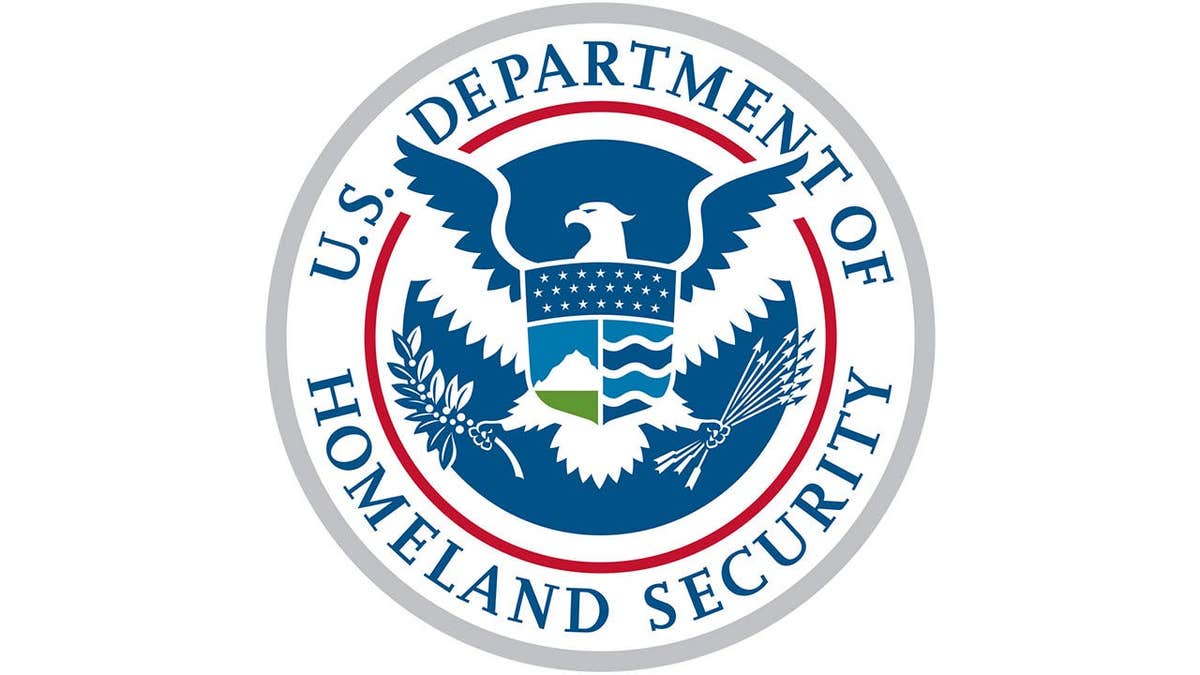
Mullin announced changes to the Homeland Security Department’s seal. Previously, the seal depicted an eagle holding a palm leaf and a bundle of arrows. The revised seal will have the eagle facing the arrows, symbolizing the department’s ongoing fight against countrywide threats. This change coincides with the upcoming 25th anniversary of 9/11. Mullin emphasized the persistent warfare the department undertakes daily against threats like Islamic terrorists and drug cartels.
The department is at war every single day against bad actors targeting the United States, from Islamic terrorists to drug cartels.
The current DHS seal includes an eagle with a shield on its chest, representing the American homeland: air, land, and sea. The top section features a dark blue sky with 22 stars, symbolizing the original entities that formed the department.
Mullin explained that the eagle’s direction holds symbolic significance, with peace indicated by facing the palm and war by facing the arrows. Today’s threats are diverse, spanning terrorism, cartels, cyberattacks, and drones. These dangers are paired with increasing violence against public officials.
Mullin noted the current leading threat to homeland security remains terrorism. He pointed out that terrorists and cartels are collaborating. He highlighted the concerning statistic of fentanyl overdoses, which surpass the death toll of the Vietnam War. Mullin credited former President Donald Trump for classifying cartels as Foreign Terrorist Organizations and Specially Designated Global Terrorists.
We’re seeing Islamic terrorists joining with Mexican cartels while using all resources to attack us. Drone attacks are now part of the equation too.
Mullin explained the shift from traditional protection methods to addressing the aerial threat posed by drones, easily bought online. He emphasized the agile response needed to tackle these multifaceted threats.
Given the start of the campaign season, Mullin also reflected on political candidates’ safety. He stressed the importance of maintaining civil discourse and preventing violence in political disagreements.
Cyber threats were another focal point, with Mullin identifying Iran, North Korea, China, and Russia-linked actors as primary sources. The number of weekly cyberattacks runs in the hundreds of thousands, signaling the vast scope of this challenge.
Every single day, we have new threats, and the threats are changing.
Mullin concluded by highlighting the necessity of constant adaptation in countering threats across cyber, sea, air, and land domains.