
Emily Koska, mother of a seven-year-old girl diagnosed with stage 4 cancer, is urging other parents to stay alert to warning signs she feels she missed. Emily and her husband, Michael, have three children: Abram, 11, five-month-old Ruthie, and Miriam, aged seven. Miriam loves singing, dancing, and playing with Barbies.
In October 2025, Miriam was diagnosed with stage 4 nodular ganglioneuroblastoma, an aggressive childhood cancer. Typically affecting children aged two to four, this cancer can cause malignant tumors that grow rapidly and spread. MedlinePlus describes the disease as affecting nerve tissue, with common symptoms including a lump in the abdomen, neck, legs, or chest.
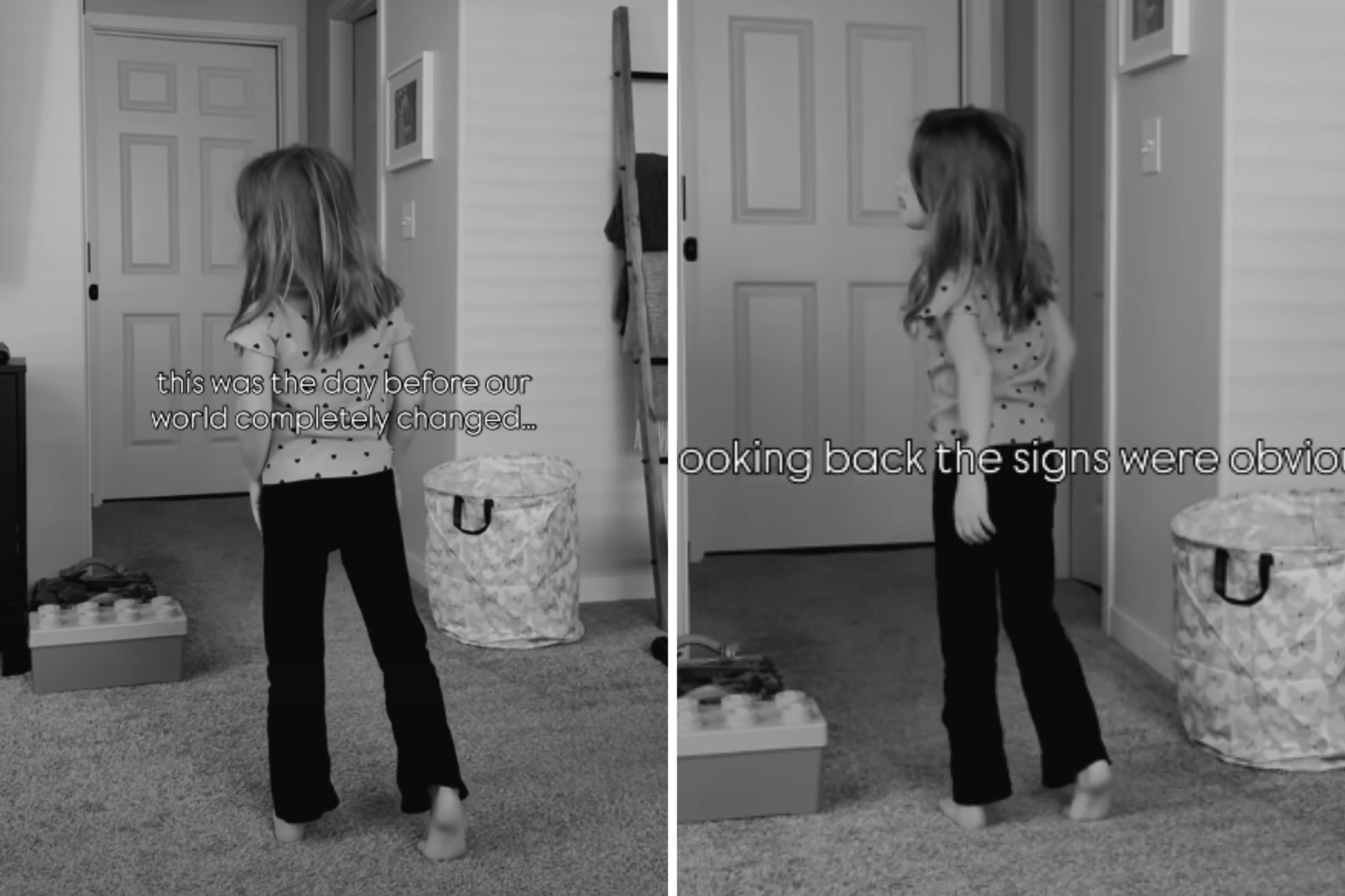
On one occasion, Emily shared a video online showing Miriam walking with a noticeable limp the day before her diagnosis, urging awareness of early symptoms. “This was the day before our world completely changed. We had no idea she had cancer that spread to her bone marrow,” she reflected, expressing regret over missed signs.
Initially, Miriam experienced occasional leg pain, attributed to normal activity. However, when pain intensified and a limp developed, her parents grew concerned. Additional symptoms arose, such as unexplained fevers, night sweats, abdominal pain, and fatigue.
Despite visiting clinics, pediatricians, and a neurologist, various explanations were given for her symptoms. Eventually, they consulted a pediatrician who considered all symptoms comprehensively and recommended immediate emergency care. “Within hours, our daughter was diagnosed with cancer. Within days, we knew it was high-risk ganglioneuroblastoma,” Emily recounted.
Neuroblastoma symptoms can be diverse, including feelings of fullness, swelling, balance issues, difficulty breathing or swallowing, and changes in pupil size. If the cancer spreads, further symptoms might arise, such as swollen lymph nodes, bone pain, bruising, and fatigue, according to the Cleveland Clinic.
Emily emphasizes that while other causes are more common than cancer, persistent, worsening, or unexplained symptoms should not be ignored. Childhood cancer is rare but possible, and persistent symptoms deserve further investigation. “Rare does not mean impossible,” she stated, encouraging parents to persist in seeking answers if symptoms persist.
Fortunately, Miriam is doing well according to her mother. Recent treatments and second opinions have shown clear scans with minimal remaining disease. “She will be in treatment into 2027,” Emily mentioned. Despite the lengthy process, the Koskas remain immensely proud of Miriam’s bravery and resilience.
“It’s an honor to be her mom and walk alongside her. She inspires us every day,” Emily concluded.