
Introduction
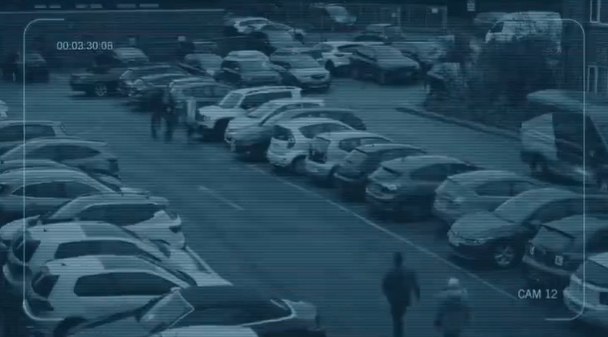
Montana Senate candidate Seth Bodnar has released a campaign video that features him blasting a Flock Safety surveillance camera with a shotgun. This bold move thrusts the ongoing debate over automated license plate readers further into the spotlight for the 2026 midterms. It also signals increasing political pressure on states, tech companies, and law enforcement agencies relying on this rapidly expanding surveillance network.
Video Overview and Political Implications
Montana voters now face a race where issues of digital privacy, police access to data, and the future of AI-driven monitoring could influence policies beyond the state’s borders. This video release comes as federal investigations, statewide bans, and criminal cases mount against these controversial cameras.
In the video, Bodnar declares, “Flock off, man!” and accuses the cameras of tracking Americans during everyday activities such as buying groceries, attending church, and visiting doctors.
Campaign Video Details
Independent Senate candidate Seth Bodnar released the video, positioning himself as a political figure challenging Flock Safety’s automated license plate readers. He demonstrates his opposition to the surveillance system by firing a shotgun at a camera. The video emphasizes fears about constant monitoring and surveillance.
Bodnar warns that Flock cameras watch people as they go about daily activities such as buying groceries, building decks, going to church, and buying ammunition. He claims these devices collect more than traffic violation data, capturing every passing vehicle and storing identifying information in cloud systems potentially vulnerable to misuse.
Flock Safety’s Response
Flock Safety, which operates over 120,000 cameras across 49 states, claims it does not sell or access user data, stating law enforcement owns the information collected. Bodnar argues the cameras are part of a wider commercial network aimed at buying and selling personal data.
Whether Bodnar faces legal consequences depends on the camera’s ownership and the circumstances surrounding its destruction. As of September 14, no law enforcement agency has announced an investigation, and there is no public evidence that the camera in the ad was a functioning government-owned surveillance device.
Parallel Controversy in Tennessee
Bodnar’s ad comes amid political and legal battles over Flock Safety. In Tennessee, independent House candidate Adam Lee Heimerman was arrested and faced felony vandalism charges after allegedly shooting four operational Flock cameras. This case highlights the cameras as symbols of government overreach for some candidates and criminal evidence for prosecutors.
Heimerman’s arrest gained national attention, inspiring candidates in other states to use anti-surveillance messaging to appeal to voters skeptical of surveillance technology. This also underscored the penetration of cameras into local policing, making them both political targets and critical infrastructure.
Federal and State Actions
The backlash has reached Washington, with U.S. Senator Josh Hawley launching a congressional investigation into Flock Safety, accusing it of creating an unauthorized national surveillance network performing over 20 billion vehicle scans monthly. This fueled calls for federal regulation, as privacy advocates warn AI-driven monitoring may surpass existing legal protections.
Several states have already reacted. Florida Governor Ron DeSantis ordered the removal of automated license plate readers from highways, citing severe privacy concerns. Rhode Island Governor Dan McKee paused new camera installations amid public backlash. These actions show the rapid shift from niche privacy debates to mainstream political dissent.
Montana’s Legislative Actions
Montana positions itself as a leader on digital privacy. It recently closed the “data broker loophole,” preventing law enforcement from purchasing sensitive digital information without a warrant. The new law, SB 282, builds on Montana’s decade-long push to restrict facial recognition, protect genetic data, and treat digital information as constitutionally protected from unwarranted searches.
Positioning Against Kurt Alme
In the video, Bodnar criticizes Republican candidate Kurt Alme for his silence on the issue of automated license plate readers. Bodnar promises not to remain silent and fires the shotgun, suggesting he sees surveillance as a wedge issue that could distinguish him in a crowded race.
A recent poll found Republican Kurt Alme leading independent Seth Bodnar by 38 percent to 30 percent, with Democrat Alani Bankhead at 16 percent. The ad may consolidate Bodnar’s support among voters distrustful of government surveillance and big-tech data practices.
Bodnar’s diverse background—West Point valedictorian, Rhodes Scholar, Green Beret, former University of Montana president—enhances his credibility on national security and technology matters. His time at General Electric, where he oversaw digital locomotive systems, complements his critique of large-scale data infrastructure.
Conclusion and Future Outlook
Bodnar’s shotgun ad is likely to increase scrutiny of Flock Safety as midterms approach. With federal investigations, expanding statewide bans, and candidate charges over camera incidents, the technology is among 2026’s volatile issues. Whether the stunt helps Bodnar close polling gaps is uncertain, but political momentum against surveillance is evident. Montana’s leadership in digital privacy legislation positions the Senate race as a national test case for voter responses to AI-driven monitoring.