
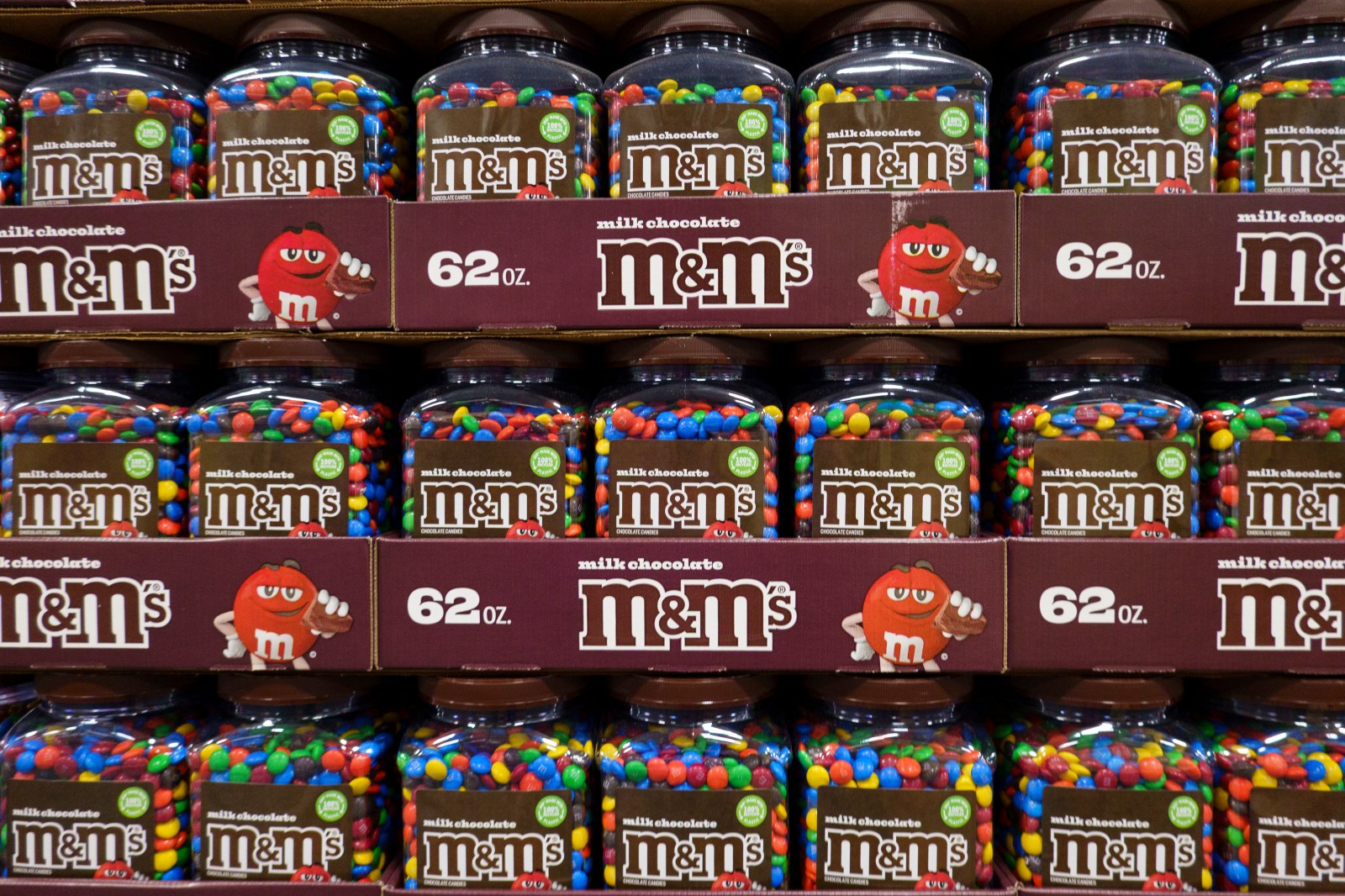
M&Ms, one of America’s favorite candies, are undergoing a transformation as they shift toward natural dyes. This change aligns with the Trump administration’s initiative, ‘Make America Healthy Again (MAHA).’ The Mars company is preparing to release the new naturally dyed M&Ms this August through Amazon, marking a pivotal moment in its nearly nine-decade history.
However, not all M&M colors will transition to natural dyes. The brown and blue varieties will not be included in the new packs, as Mars has not yet found a way to replicate these colors naturally.
Significance of the Change
Since Health Secretary Robert F. Kennedy Jr.’s appointment to lead the Department of Health and Human Services, processed foods and chemicals have become central topics in public health discussions. This shift in M&M production reflects growing concern over food additives. Previously, Skittles, another Mars product, underwent a similar change by removing titanium dioxide in 2025 after it was banned by the European Union due to potential health risks.
What’s Happening with M&Ms
The M&M’s shift to natural dyes is set to begin this summer. Kennedy and Republican officials are increasing pressure on food producers to remove artificial colors from U.S. products. Texas Attorney General Ken Paxton has initiated an investigation into Mars regarding claims that approved food dyes are safe despite a past commitment to eliminate artificial colors.
According to Paxton, these dyes are not harmless and have been associated with various adverse health effects. This investigation emphasizes the growing national concern over artificial food colorings.
Concerns Over Food Coloring
Artificial food coloring has become a key focus of the MAHA movement. There is a particular worry that these dyes might affect health, particularly children’s health, within the wider context of chemical additives in food.
A joint announcement in 2025 by the U.S. Department of Health and Human Services and the FDA outlined plans to phase out petroleum-based dyes from the food supply. Kennedy highlighted the lack of nutritional benefits and potential health hazards these compounds pose, signaling a shift towards safer food production.
Globally, artificial colorings face tighter restrictions, especially in Europe, prompting manufacturers to seek alternatives or use warning labels. In the U.S., states like West Virginia are considering action, with various lawmakers introducing bills to limit artificial food additives.
It’s not only Mars taking these steps. Nestlé has removed synthetic dyes from all its U.S. products, a decision praised by Kennedy. As food companies adapt, the landscape of candy production is set for significant change.