
The Milwaukee Brewers and San Diego Padres recently pushed the limits of pitching speed. During Game 1 of the National League Division Series, they set a new record. The average fastball velocity in this game was clocked at 98.50 mph. This achievement marked a significant development in the importance of high-velocity pitching.
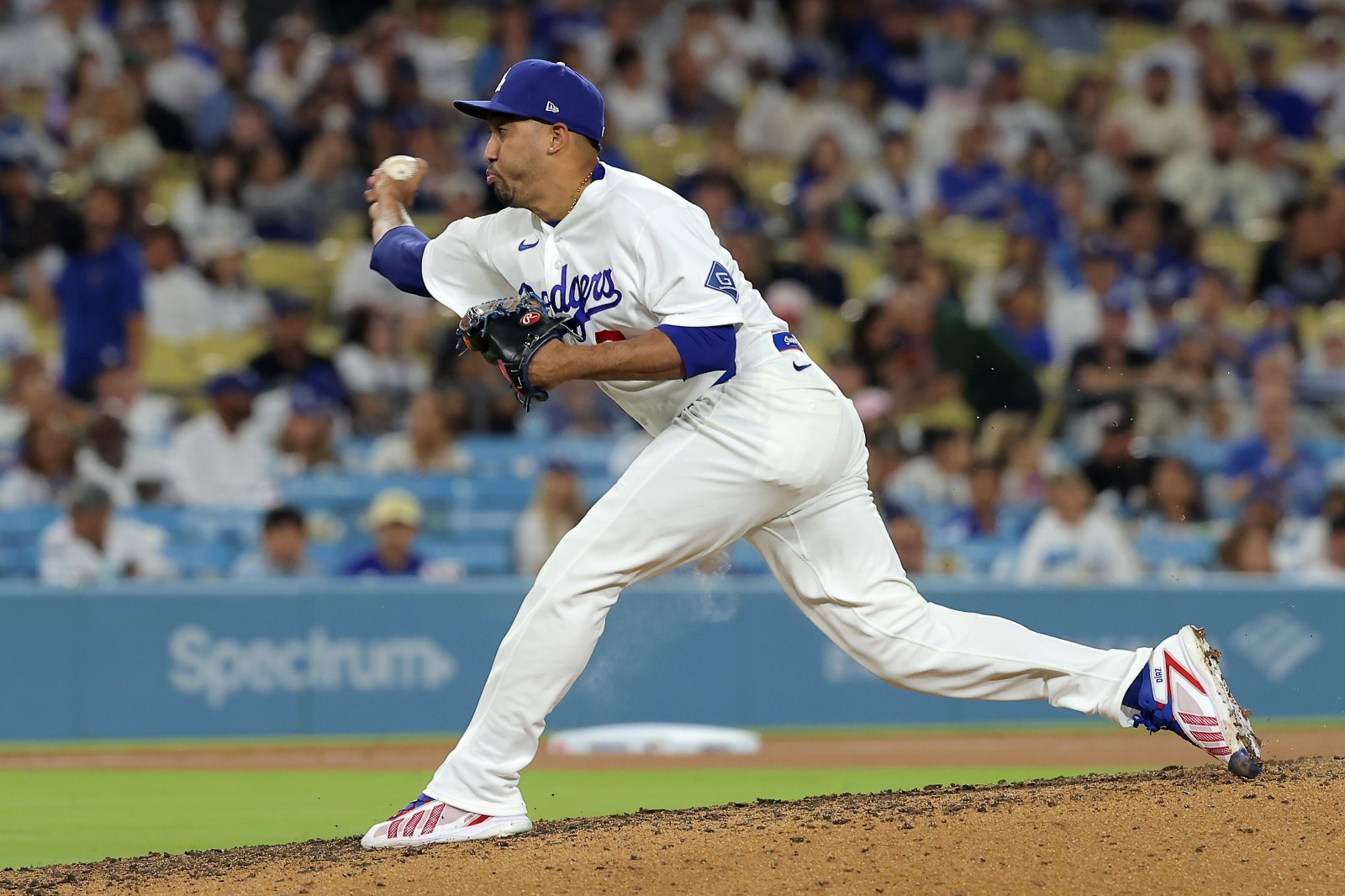
In the next game, the Los Angeles Dodgers and Atlanta Braves advanced this trend further. During their NLDS Game 2 at Dodger Stadium, five different pitchers each threw a pitch at 100 mph or more. The Dodgers’ Edgardo Henriquez reached a peak of 103.0 mph, followed by Roki Sasaki at 102.1 mph, and Edwin Diaz at 100.8 mph. Robert Suarez and Didier Fuentes of the Braves registered pitches at 101.4 mph and 101.2 mph, respectively. This marked the first occurrence of such multiple high-speed pitches in a single game.
Brewers’ Jacob Misiorowski set another milestone, throwing a pitch at 104.8 mph. This pitch cemented his status as the hardest-throwing starter in league history.
The Dodgers and Braves showcased a mix of pitching strategies. While Fuentes and Sasaki transitioned from starting roles to the bullpen to gain velocity, Diaz and Suarez have long been known for their powerful closing pitches. Henriquez, at only 24, has been a notable part of the Dodgers’ bullpen in recent postseason games.
By 2026, having a reliever capable of tossing a fastball at 100 mph became commonplace. The previous year, 2025, was a landmark season when each MLB team had at least one pitcher who could hit triple-digit speeds. The consistent increase in fastball velocities emphasizes the ongoing evolution of pitching strategies in baseball.