
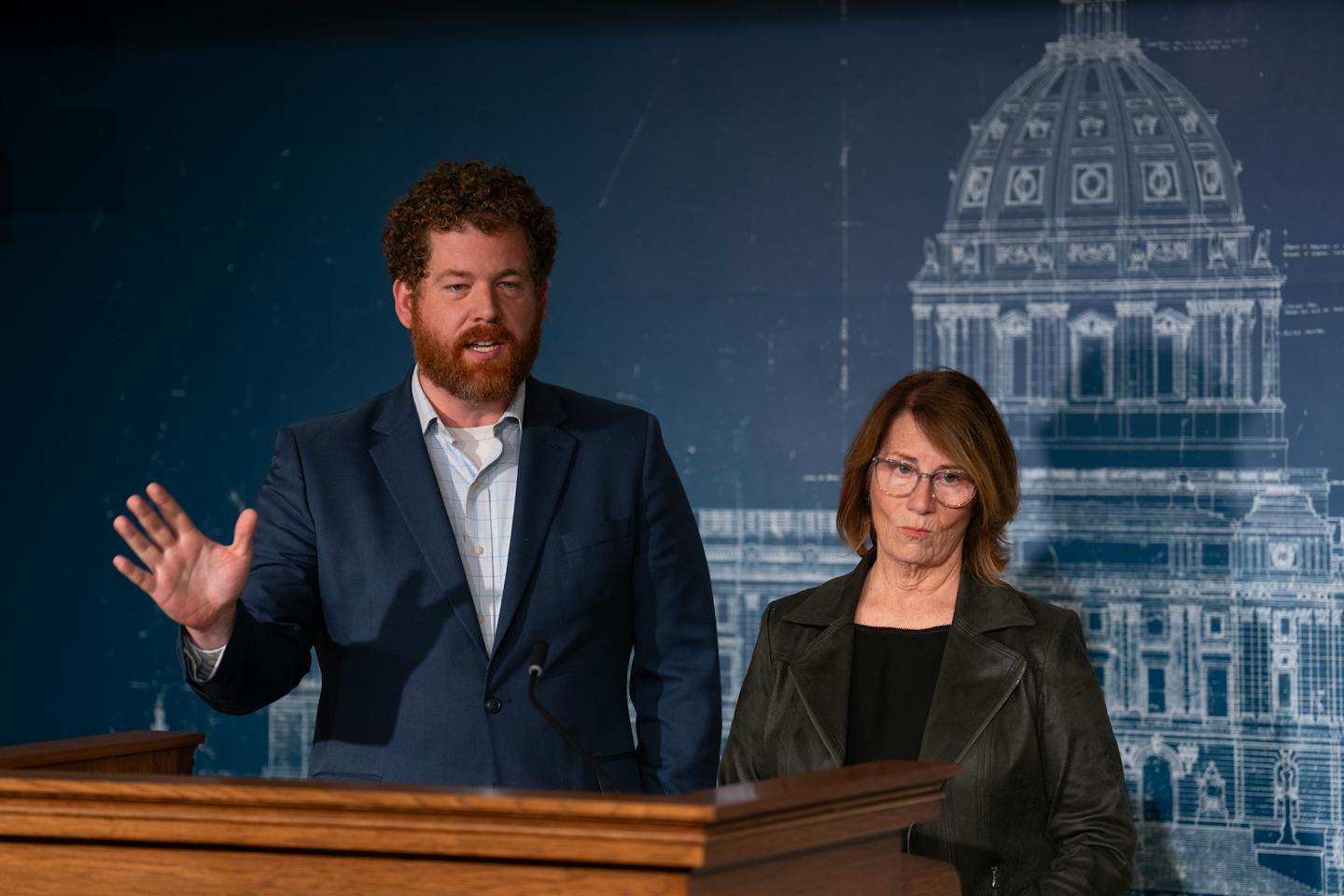
Rep. Zack Stephenson and Sen. Erin Murphy have emerged as leaders for the Democrats, poised to guide their party with new faces taking the helm of Republican caucuses. The political dynamic in Minnesota is set to evolve as these figures embark on key roles that will shape legislative agendas.
Democratic Leadership
With Democrats projected to maintain comfortable majorities, Rep. Zack Stephenson will ascend as House Speaker, while Sen. Erin Murphy will serve as Senate Majority Leader. Their leadership coincides with Amy Klobuchar’s gubernatorial tenure, which marks a pivotal phase for legislative negotiations. The Democrats hold a 77 to 57 majority in the House and a 39 to 28 lead in the Senate. Recounts may refine these numbers, but Democratic control remains firm.
Stephenson, who has worked closely with late Melissa Hortman, expressed his commitment to governing in her honor by focusing on goals like reducing costs and improving community safety. His formal election will occur as lawmakers reconvene.
Senate Democrats, under Murphy, intend to confront issues such as healthcare, childcare, and housing costs. Murphy, with a rich legislative history since 2007, emphasizes restoring public trust through transparency and effective governance. Her deputy, Sen. Nick Frentz, will aid her efforts, bringing his legal expertise to the table.
Republican Leadership
For the Republicans, Rep. Harry Niska becomes House Minority Leader, prepared to challenge Democratic policies, especially concerning taxes. Niska aims to protect Minnesota families from potential tax increases amidst persistent concerns about affordability.
Similarly, Senate Republicans have chosen Jordan Rasmusson as Minority Leader. A relative newcomer, Rasmusson intends to address the challenges Minnesota faces, despite recent electoral setbacks for the GOP. His leadership represents a strategic moment for the Republicans to assert their influence on the state’s political stage.
As Minnesota lawmakers prepare for upcoming legislative sessions, these leaders’ negotiations will play a critical role in shaping the state’s policy landscape, balancing party priorities and constituent needs.