
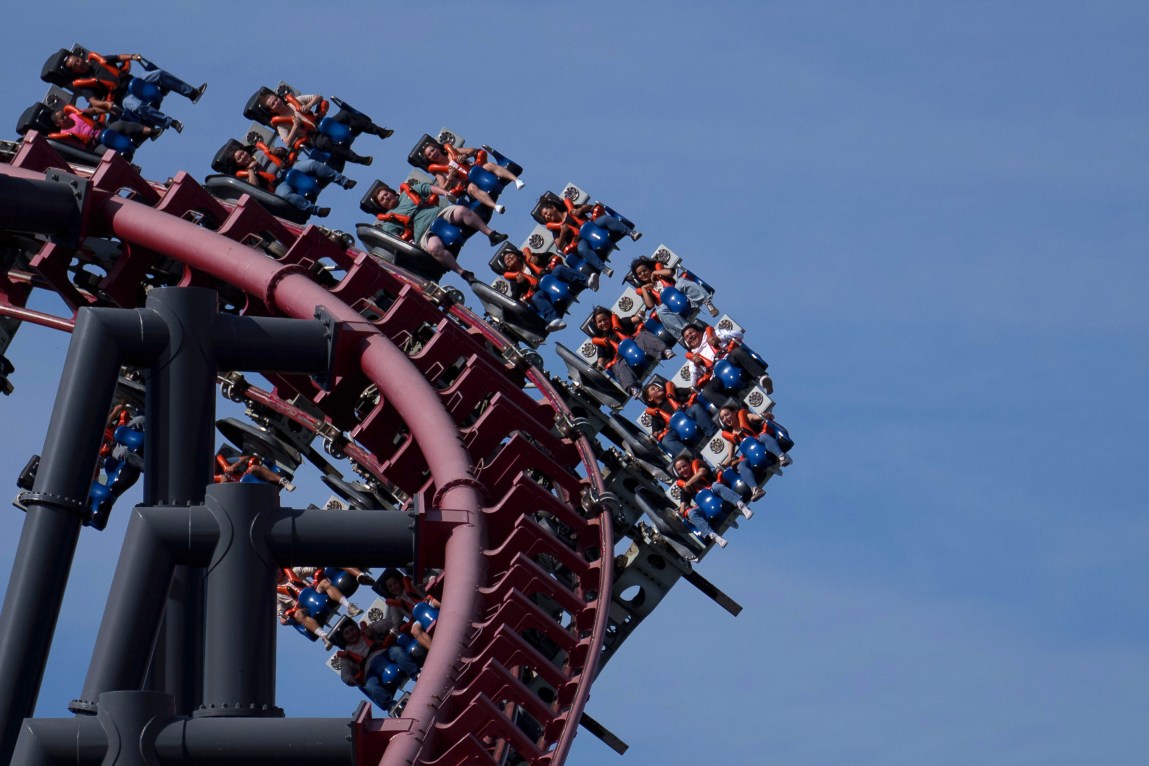
Recent investigations uncovered that California regulators often conducted minimal or no inspections of Six Flags’ X2 roller coaster, even after significant incidents. The attraction was involved in cases where individuals died or were hospitalized, yet regulatory scrutiny remained scarce.
Riders’ Responsibility
California regulators regularly accepted Six Flags’ explanations that injuries on the X2 were not the ride’s fault. The state often placed blame on the riders for injuries, dismissing reports without proper investigation.
Insufficient Inspectors
A 2025 audit highlighted that the overseeing agency, CalOSHA, suffered from staffing shortages for years, undermining its ability to enforce roller coaster safety effectively.
Fatal Incidents
A 17-year-old, Christopher Gibson, died after riding the X2. Two others suffered severe brain injuries shortly after.
This death was not previously reported until ProPublica and L.A. Material identified lapses in safety regulation. Investigations showed that Magic Mountain frequently reported head injuries to the state but received negligible responses. This neglect calls into question regulatory effectiveness in preventing subsequent injuries.
Regulatory Failures
Investigations revealed over 70 instances since 2010 where Magic Mountain reported injuries, yet little to no action was taken by the responsible state unit. CalOSHA often blamed injuries on improper rider behavior without substantial inquiry.
Denisse Gómez, a state spokesperson, noted that investigations are ongoing, indicating no further comments would be made at this time. Six Flags stated their rides undergo regular maintenance and inspections, maintaining their commitment to safety.
Recurring Accidents
Numerous incidents have resulted in serious injuries from the X2 ride, which was linked to over a dozen injury reports. Six Flags has admitted no fault, even amidst lawsuits and settlements.
For example, Christopher Gibson, an autistic but healthy teen, visited Six Flags to celebrate his graduation. He experienced severe headaches after riding the X2 and died soon after.
Systemic Issues
Regulators had not enforced meaningful inspections after reports showed serious injuries were not attributed to the ride’s operation or maintenance. Historical complaints detail similar instances left uninvestigated, often blamed on rider actions or unrelated conditions.
Industry and Regulatory Challenges
Amusement rides are state-regulated rather than federally overseen, complicating consistent enforcement. Despite legislative efforts to enhance oversight, resource and staffing issues continue to undermine regulatory capacity.
Email exchanges revealed long-standing frustrations and inadequate staffing to manage safety inspections properly. Bobby Park, a CalOSHA official, has highlighted the lack of progress in dealing with these structural issues.
Concluding Events
Despite confirming several injuries and a death, CalOSHA ordered advanced testing of the ride to determine the full impact of forces exerted on riders. Six Flags responded by permanently closing the ride, underscoring safety concerns and customer confidence issues.
Magic Mountain president Brian Oerding closed out with a statement emphasizing their commitment to safety and considering guest confidence.