
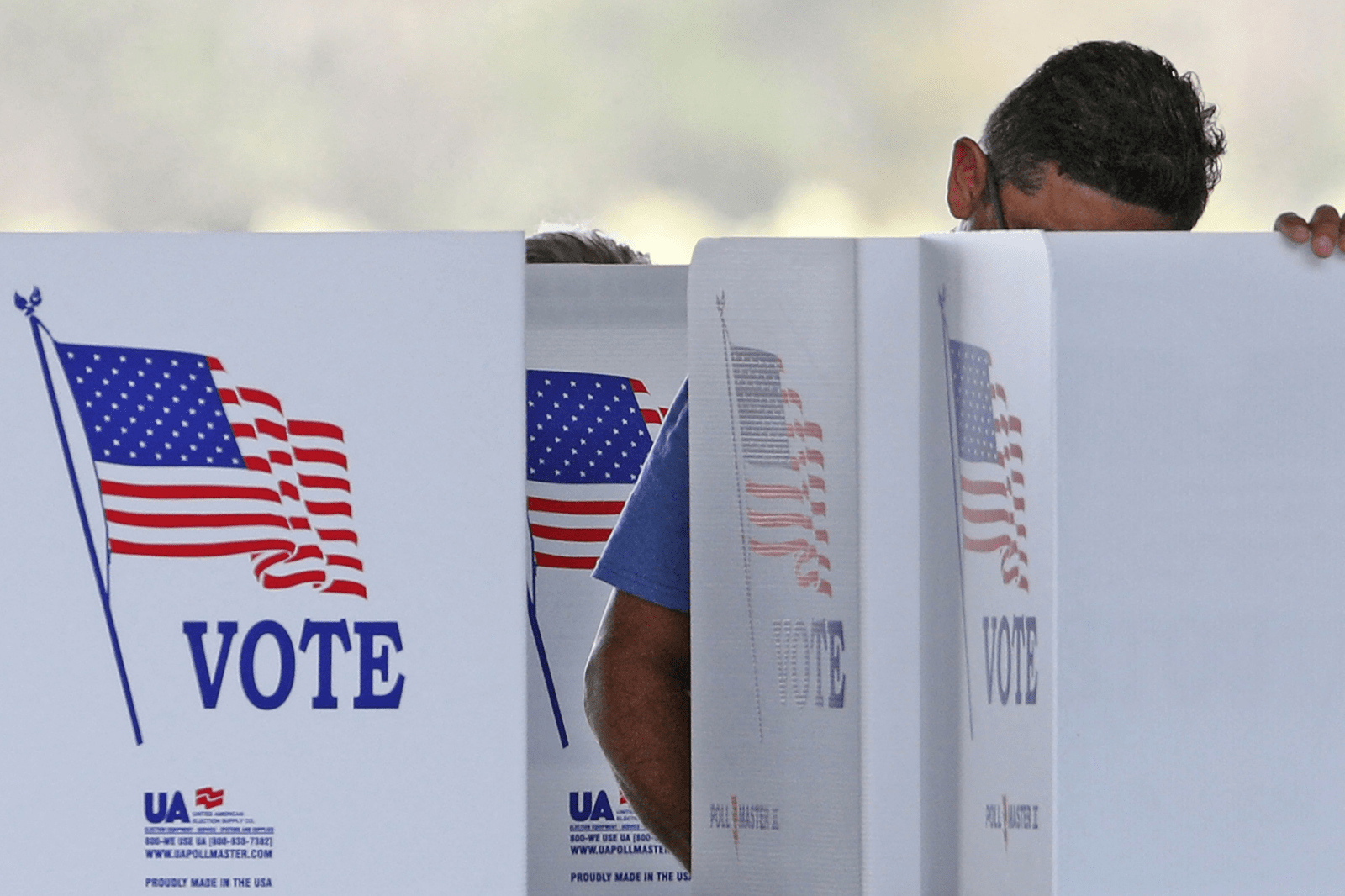
Midterm polling suggests a competitive race for both the House and Senate two months before Election Day, with Democrats showing a stronger national environment for the House, while Senate control hinges on six contentious races.
Democratic Advantage in House Races
According to an Emerson College national poll from August 20, Democrats hold an eight-point lead on the congressional ballot. The poll recorded 51% support for Democratic candidates and 43% for Republicans, with 6% undecided. Prediction markets like Polymarket and Kalshi reflect these trends, pricing Democrats higher for the House and showing the Senate as almost evenly split.
The Democratic advantage in the House is reinforced by the distribution of competitive seats. As of late August, Cook Political Report identified 21 districts as toss-ups, with 16 held by Republicans and only 5 by Democrats. This indicates a broader opportunity for Democrats to gain control by targeting vulnerable Republican seats.
Influence of Prediction Markets and Polls
Prediction markets quickly integrate new polling and campaign developments, offering updated assessments of election outcomes. Yet, they reflect traders’ expectations rather than voter intent, influenced by factors like participation and liquidity.
Polls from Reuters/Ipsos note President Donald Trump’s approval rating at 33%, with Democrats showing more enthusiasm for November at 46% versus 31% for Republicans. This enthusiasm gap could influence midterm outcomes.
Competitive Senate Races
Senate control is less clear, with Democrats needing a net gain of four seats amid close races in states such as Alaska, Iowa, Maine, Ohio, and Texas. Polls show narrow leads within the margin of error, reflecting the high stakes and uncertainty in these contests.
The Democrats face challenges in states Trump carried, as seen in Iowa and Alaska, where local issues and candidate identity may affect outcomes.
Presidential Approval and Its Impact on Races
Trump’s approval ratings present obstacles; however, Republican candidates remain competitive in several states. The differing effects of presidential approval on Senate and gubernatorial races demonstrate complex voter dynamics.
In Iowa, for example, Republican Ashley Hinson had a lead despite the governor’s race favoring Democrats, pointing to varied voter decision-making across contests.
Conclusion: Unresolved Political Landscape
The battle for Congress remains dynamic and unresolved, with Democrats having clearer prospects for the House. The Senate is still uncertain, with ongoing shifts possible due to changes in voter turnout and preferences. Both parties face challenges in converting their opportunities into victories, making the next two months critical for shaping the national political landscape.