
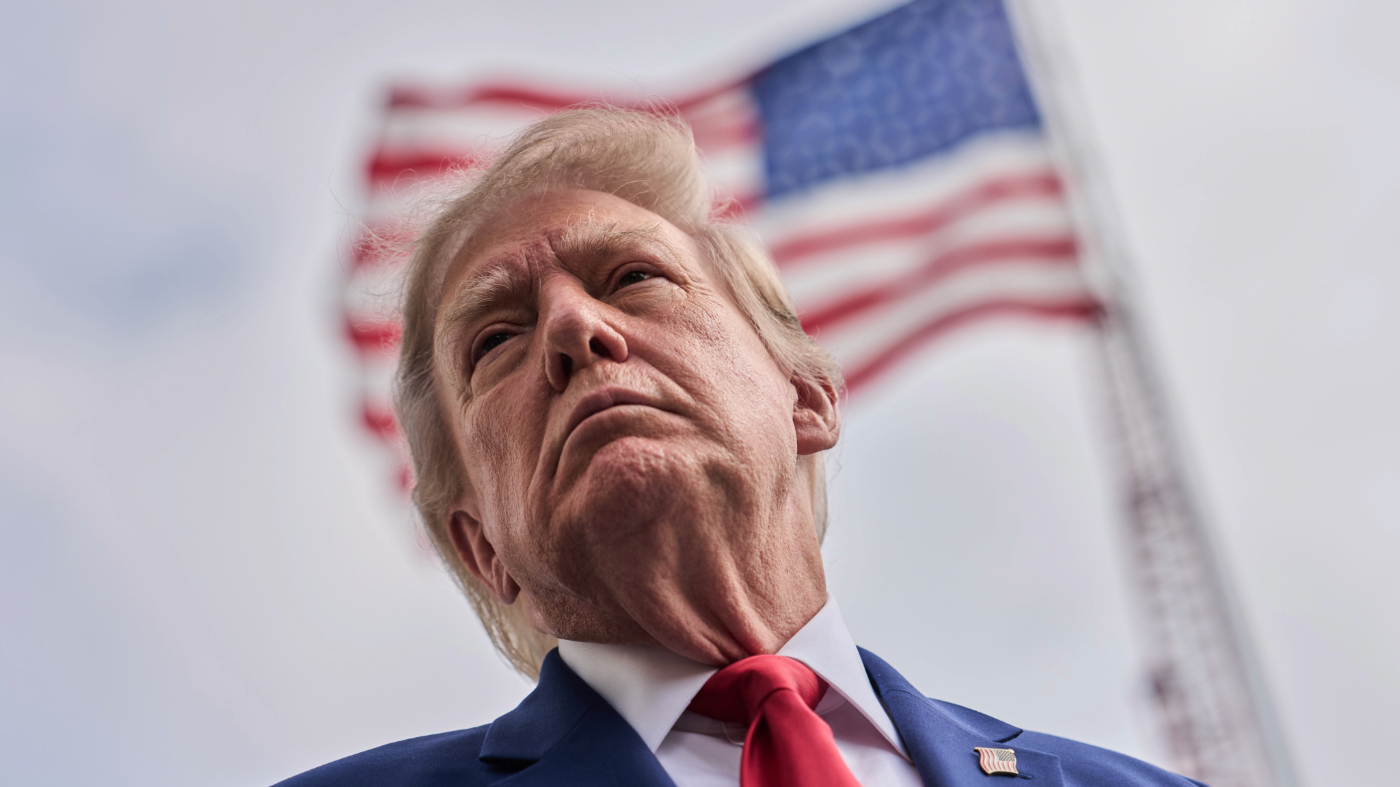
President Donald Trump addressed reporters on the South Lawn of the White House on October 16, 2026, with the American flag flying prominently behind him. Amid this backdrop, spending on the year’s midterm elections reached an astonishing $11.21 billion. This amount slightly exceeded the $11.2 billion spent during the 2024 presidential cycle. The extensive spending led to an overwhelming marketing blitz, felt through social media ads, television spots, and billboards, making the 2026 midterms inescapable.
Despite the enormous expenditure, Republican voters remained unconvinced of a clear plan to address Donald Trump’s worsening economic issues. The party seemed weighed down by the challenges of an unpopular presidency and severe affordability crisis. Republicans’ efforts alienated many voter groups they had previously secured in 2024.
By election night, the anticipated Democratic wave became a reality. Successful Democratic Senate campaigns in Kansas, Iowa, Texas, Ohio, South Carolina, and North Carolina confirmed that it was more than the product of anti-Trump media. In Texas, James Talarico won decisively against Trump’s choice, Ken Paxton, by nearly 20 points. Democrats also gained significant ground in the Deep South, traditionally considered a Republican stronghold, by winning governor’s races in Texas and Georgia. Notably, Keisha Lance Bottoms became the first Black female governor of Georgia.
The scale of Democratic victories forced even Trump to acknowledge the results. He expressed a willingness to work with Democrats, a departure from his usual claims of election fraud. The outcome served to shake the foundations of the MAGA movement and reflected diminishing confidence in Trump’s political influence. Before the elections, Florida Governor Ron DeSantis broke ranks with Trump on key issues. Many of Trump’s long-time allies, such as Representative Scott Perry, lost their seats. Trump now faces 2027 with diminishing support in Congress and skepticism within his party about his effectiveness.
In stark contrast, the results were a rejuvenating win for Democrats. Despite their emotional and organizational turmoil following the 2024 loss, they managed to unify around key issues. The affordability crisis became a central theme that attracted a diverse range of voters, including Latinos, Arab Americans, young people, and independents. This message proved resonant, engaging voters across rural areas and among traditional conservatives.
Exit polls by the Associated Press highlighted affordability concerns and public corruption as primary voter issues. A significant majority of voters attributed their hardships to Trump, underscoring their dissatisfaction with Republican promises. The GOP now faces significant challenges, with widespread voter disillusionment and a demoralized base. Their struggles mirror those last seen during the Bush administration’s collapse in 2008. Despite contemplating a future beyond Trump, the party faces the complex task of moving past a presidency deeply entwined with controversy.
Max Burns, a Democratic strategist and founder of Third Degree Strategies, provided insight into these developments.