
Vermont Senator Bernie Sanders ran for the Democratic presidential nomination in 2016 and 2020 but did not succeed. Both times, the moderate wing of the party rallied around another candidate. Despite his losses, Sanders’ key issues have gained traction within the party.
Sanders’ Political Impact
A decade after his first campaign, Sanders’ ideas are no longer seen as fringe within the Democratic Party. His critique of the party’s closeness to corporate donors and his push for comprehensive health care reform resonate with many Democrats. Polls show increasing acceptance of socialist ideals among party members who are more open to wealth taxes and Medicare for All.
Changing Attitudes on Socialism
Polling data illustrates a shift in how Democratic voters perceive socialism. A late May I&I/TIPP poll indicated 46% of Democrats view socialism positively, while a June Economist/YouGov survey found 58% have a favorable view of socialism. Additionally, a Gallup poll revealed that 66% of Democrats see socialism positively.
Healthcare and Tax Reform
Support for Sanders’ healthcare proposals, like Medicare for All, is strong. A Data for Progress study reported 65% of likely voters, including both Democrats and independents, support a national health insurance program. Additionally, his tax reform ideas have gained acceptance. A Navigator Research survey showed 79% of Americans back raising taxes on the wealthy.
Rise of Socialist and Progressive Candidates
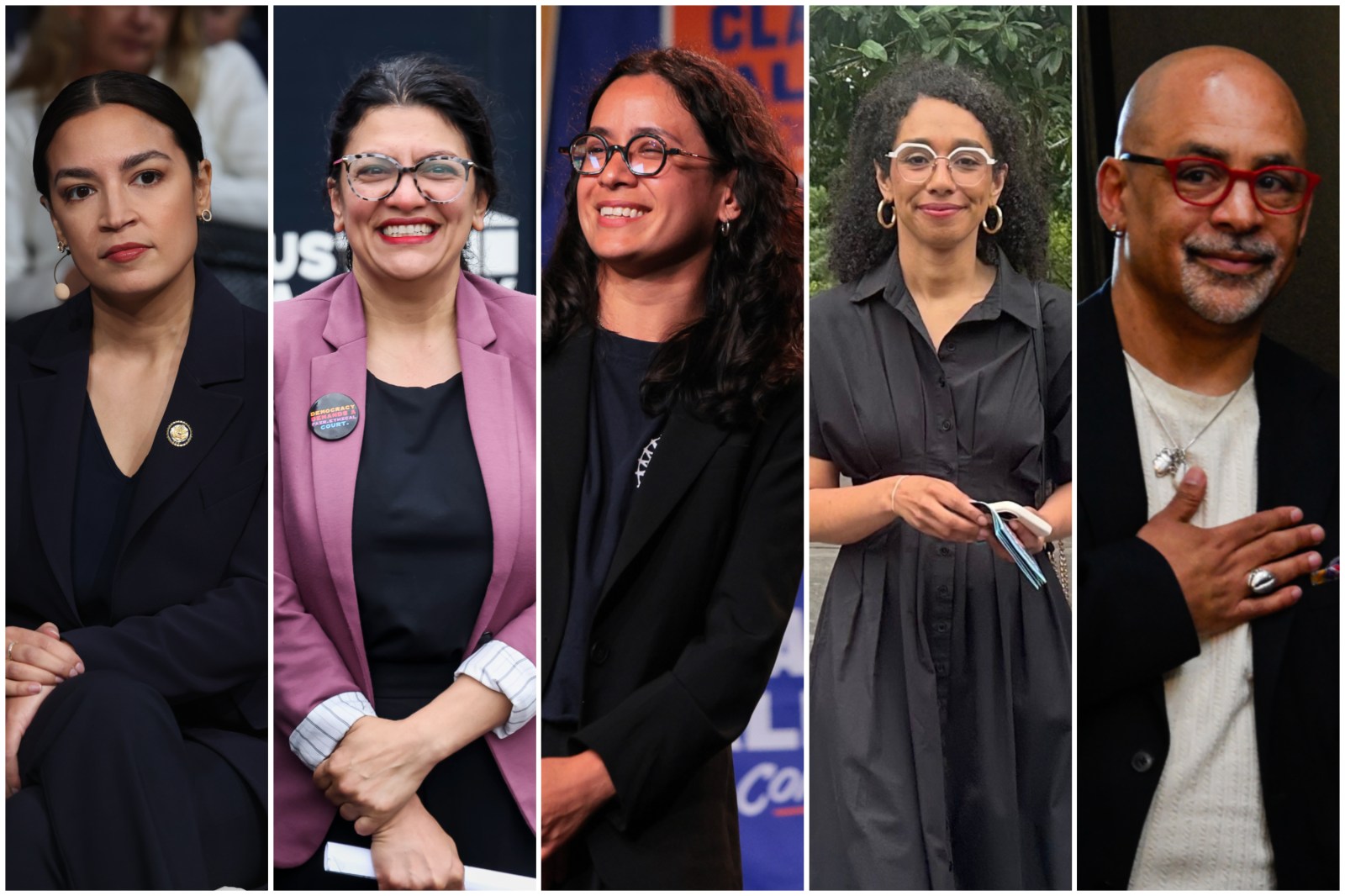
The influence of Sanders and his supporters in electoral politics has grown. Candidates like New York Mayor Zohran Mamdani and former campaign aide Morris Katz have made significant strides, though not without challenges. In Michigan, Abdul El-Sayed is running for the Senate against Representative Haley Stevens, highlighting internal party debates.
Challenges and Debates within the Party
Some strategists remain skeptical about the electoral viability of Sanders’ ideas. Concerns persist that while popular among Democrats, these ideas might not resonate in districts that decide Congressional control. Current dynamics point to a party divided on strategy, with Sanders still holding the highest approval rating among U.S. senators.
Jim Kessler from the Third Way think tank noted that midterm elections often hinge on voter turnout. He argued that voters faced with stark ideological choices might lean away from candidates perceived as extreme. However, the exact impact of Sanders’ influence on upcoming elections, especially in competitive areas, is still debated.
Kessler also warned that while socialism in name might be acceptable to more voters now, positions associated with it could be liabilities in swing districts. The Democratic Socialists’ potential impact on a national scale remains unclear, with the party’s 2028 presidential nomination seen as unlikely to go to a socialist candidate.