
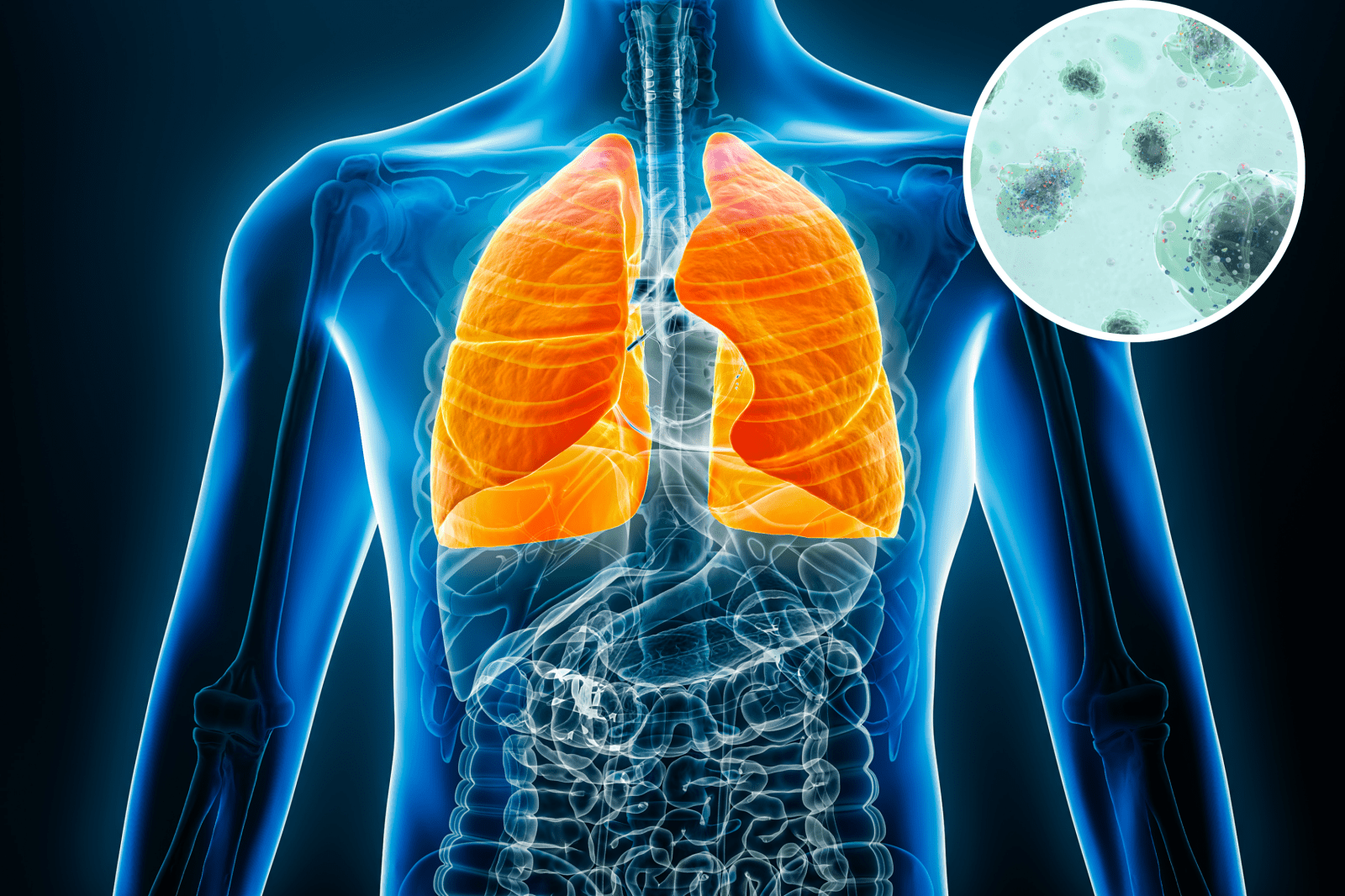
Microplastics are now an inescapable aspect of modern life, yet their impact after entering the human body remains largely unclear. Recent research suggests a potential link between microplastics and lung cancer.
Key Findings from Recent Research
Scientists have discovered that patients diagnosed with lung cancer were more likely to have microplastics in their lungs. The study, set to be presented at the European Respiratory Society (ERS) Congress in Barcelona, highlights how tiny plastic particles may infiltrate the human body through air.
Dr. Ilias Dimeas, associated with University College Dublin and the University of Thessaly, shared insights with Newsweek. He noted that cancerous lungs might trap or retain microplastics more effectively. Though the study reveals an association between microplastics and lung cancer, it does not establish causality.
This observational study shows an association between a greater microplastic burden and lung malignancy, even after adjustment for smoking exposure, but it cannot establish causation or determine which came first.
Further research is necessary to determine if microplastics might contribute to inflammation or other cancer-relevant biological processes, or whether diseased lungs simply trap particles differently.
The researchers emphasized that the study does not prove microplastics cause cancer.
Significance of Microplastics in the Human Body
Scientists possess limited knowledge about microplastics once they enter the body. The study highlights unanswered questions about normal microplastic levels in lungs and whether these particles affect health.
If daily inhalation of microplastics is confirmed, understanding their final destination and possible disease links becomes crucial.
Study Methodology
The research involved 100 patients undergoing bronchoscopy at University Hospital of Larissa in Greece.
- Bronchoscopy involves a camera-equipped tube to examine airways and collect samples.
As per American Cancer Society data, lung cancer is notably common in the U.S., second only to skin cancer for both genders. Prostate cancer is more prevalent among men, while breast cancer surpasses lung cancer in women.
The study anticipated roughly 229,410 new lung cancer cases in the U.S. by 2026.
Each patient provided a lung-wash sample, and half also contributed lung tissue samples. Analyses identified microplastic particles and types present.
Among 100 participants, 50 had lung cancer and the remainder did not. 70% of the participants had detectable microplastics in at least one sample, with patients diagnosed with cancer exhibiting a higher microplastic burden.
Researchers observed that 66% of cancer patients had microplastics in lung-wash samples, compared to 46% of non-cancer participants.
An unexpected pattern emerged: higher levels of microplastics in lung-wash samples corresponded to lower levels in tissue samples, and vice versa.
Common Types of Plastics Found
Analysis revealed polypropylene and polyethylene as the most prevalent plastics. These materials are prevalent in packaging, textiles, and household products.
Path Forward for Understanding Microplastics
Dr. Dimeas stated that microplastics appear in human lungs more frequently than assumed. This underscores the importance of reducing plastic pollution for human health benefits.
While the study does not confirm a cause-and-effect relationship, it reveals more microplastics in cancer patients, prompting further investigation.
Dimeas indicated that laboratory studies have begun to examine microplastics’ interaction with lung cells. Samples from chronic lung disease patients are also under review to explore potential links to lung scarring and disease progression.