
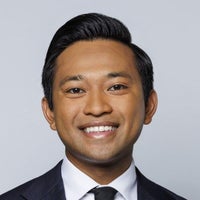
Jewish leaders in Michigan initiated a petition campaign urging Democratic Senate nominee Abdul El-Sayed and other candidates to commit to ensuring Jewish safety and clarifying their positions on Israel. This move aims to secure their support, according to CBS News.
Rabbi Josh Whinston, one of the petition’s leaders, highlighted the pressure the American Jewish community feels from both political sides. The petition has the backing of over a dozen rabbis.
El-Sayed, a former Michigan health official, received the Democratic nomination, largely criticized for his stance on the Israeli government and AIPAC. He clarified that his critiques do not target Jewish people, expressing admiration for Judaism.
Facing opposition from former GOP Rep. Mike Rogers, El-Sayed is focused on uniting Democrats for the November election. His left-wing platform, endorsed by figures like Sen. Bernie Sanders, contrasts with moderate Democratic support for his primary rival, Rep. Haley Stevens.
El-Sayed’s campaign faced backlash for associations with Hasan Piker, a critic of Israel, and his response to an attack on a synagogue. Apologizing later to the Michigan Democratic Jewish Caucus, he emphasized commitment to Jewish safety.
The petition, supported by 40,000 Jewish Michiganders, demands affirmation of five nonnegotiable commitments, including Jewish safety and sovereignty in Israel. Whinston urges candidates to transparently meet baseline needs for community support.
Despite criticism, El-Sayed engaged with Jewish organizations and emphasized his commitment to Jewish safety, stating it equals his dedication to his own family’s safety. He distances his campaign from external controversial figures.
Whinston acknowledges El-Sayed’s efforts against antisemitism but emphasizes that rhetoric against Israel can pose risks. He calls for a clear distinction between opposing the Israeli government and supporting Jewish safety.
Michigan’s Senate race could influence control of the upper chamber. With competitive stakes, both El-Sayed and Rogers have Jewish congregations closely monitoring their positions.
Whinston describes constituents feeling “politically homeless,” emphasizing the desire to be included in political dialogues. The Jewish community seeks allies committed to their safety and political participation.