
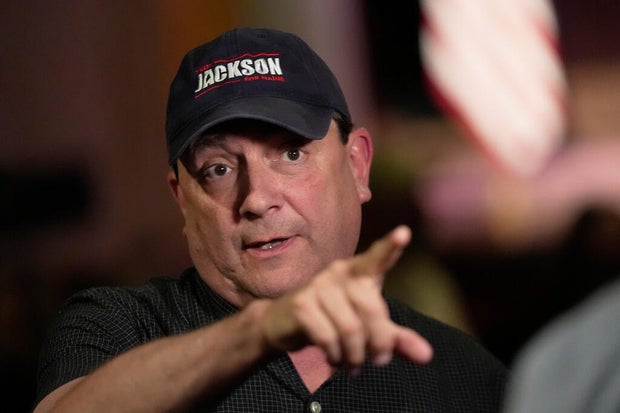
Maine Democrats will gather this Saturday for the party’s nominating convention to choose a U.S. Senate nominee to replace Graham Platner, who stepped down amid allegations of sexual assault. Former state Senate President Troy Jackson is poised to secure the nomination.
The race initially attracted around a dozen Democrats, but the field narrowed after recent nomination meetings in various counties. Jackson succeeded in securing most of the delegate slots. The majority of the 500 elected delegates back Jackson, positioning him as the likely nominee.
Jackson’s success has led other prominent candidates, including Maine Secretary of State Shenna Bellows and former Maine CDC Director Nirav Shah, to withdraw. They emphasized party unity to challenge Republican Senator Susan Collins. However, candidates like David Costello and Saundra Pelletier remain on the convention ballot. Dan Kleban, co-founder of Maine Beer Company, qualified for the ballot but endorsed Jackson and requested to withdraw.
Maine Democratic Party Executive Director Devon Murphy-Anderson stated, “We look forward to hearing from these candidates and uniting Democrats from across Maine to choose a strong nominee against Susan Collins.” At the convention, delegates from Maine’s 16 counties will cast their votes. While Jackson’s slate of delegates is not legally obligated to support him, they are expected to do so.
Who is Troy Jackson?
Troy Jackson, 58, comes from a lineage of loggers and served as Maine’s state Senate president from 2018 to 2024. He has a history as a state representative and, initially, ran as a Republican before switching to an independent and then a Democrat. In the recent gubernatorial primary, he placed third with backing from Platner and independent Senator Bernie Sanders. Jackson has worked with Sanders before and aligns with progressive policies.
Platner’s removal initiated an expedited process for finding a replacement nominee. After winning in June, Maine’s election law mandated a nominee withdrawal by the second Monday in July, allowing two weeks for the party to choose a new candidate. The Democrats scheduled the convention right before the July 27 deadline to involve Mainers in the decision-making process.