
Meta CEO Mark Zuckerberg and former President Donald Trump have found common language regarding artificial intelligence (AI). In the face of rising concerns about developing increasingly powerful AI systems, they both favor the term “superintelligence.” This linguistic choice signifies more than simple terminology; it reflects a deeper perception of AI’s potential.
On Monday, Zuckerberg announced a new enterprise-focused business, repeatedly using “superintelligence” to underscore the significant opportunities it presents for businesses and individuals. This aligns with Trump’s statement at the United Nations on September 22nd, where he proposed replacing “artificial intelligence” with “super intelligence” in U.S. government paperwork. Meta spokesperson Andy Stone noted that Zuckerberg had adopted this term prior to Trump, referencing Zuckerberg’s July 2025 essay titled “Personal Superintelligence.”
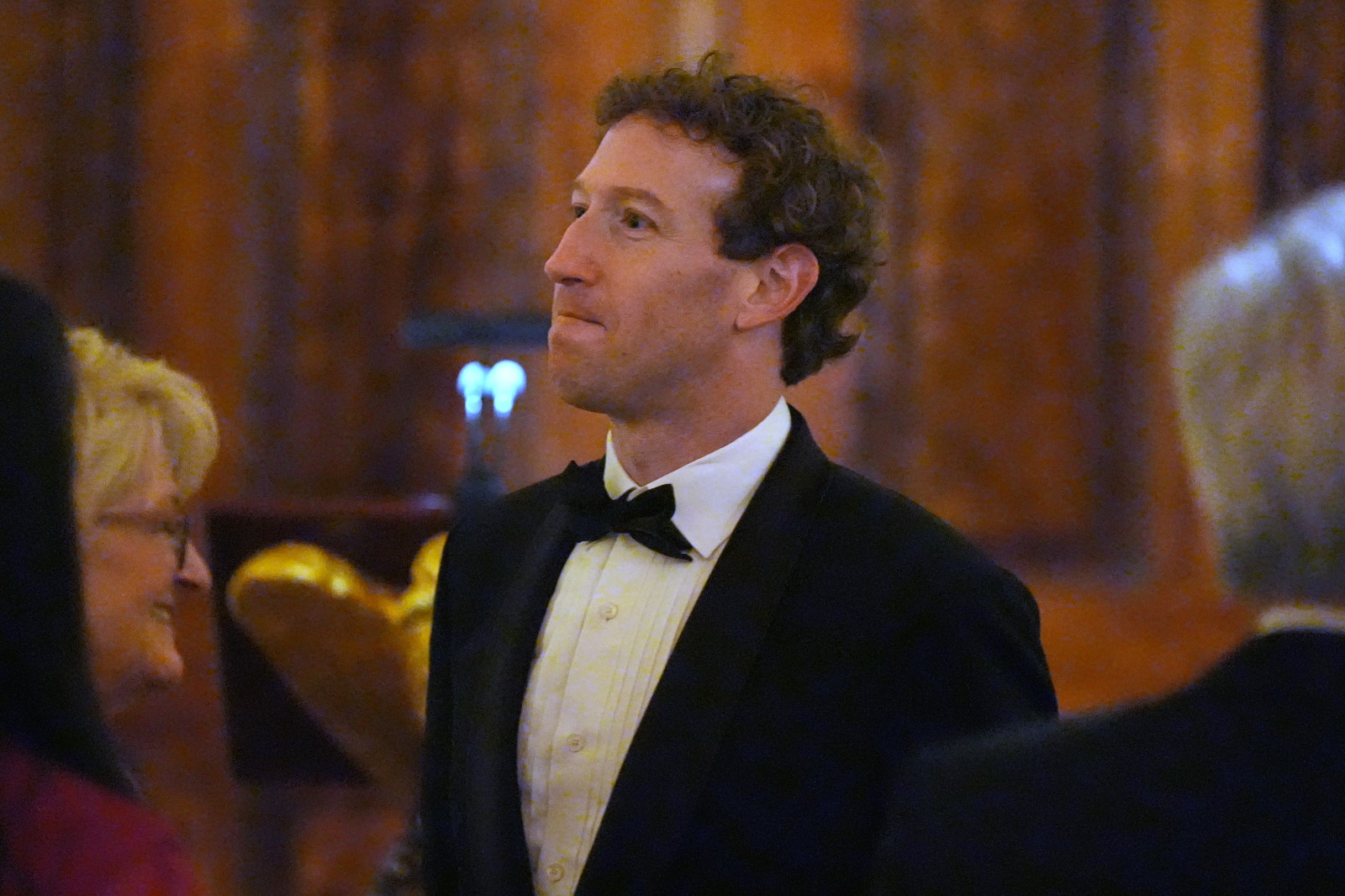
In a social media post, Trump celebrated his meeting with Chinese President Xi Jinping, suggesting that “super intelligence” is a more fitting term compared to “artificial intelligence.” Images show Zuckerberg attending a state dinner with Trump and Xi, although it’s unclear if they engaged in discussions.
Portraying AI as vital to national and economic strength, this linguistic shift coincides with warnings from researchers about developing self-improving systems. Jacob Coxon, a former Anthropic researcher, resigned in September, criticizing AI labs for “racing to self-improving superintelligence.” Similarly, Anthropic CEO Dario Amodei and figures like Sam Altman, Elon Musk, and Demis Hassabis, advocate slowing AI development to mitigate risks.
In contrast, Trump cautions against slowing American AI advancements, arguing this could advantage countries like China. He frames AI leadership as crucial for U.S. competitiveness, dismissing some safety concerns as exaggerated.
Zuckerberg introduced Meta Enterprise Platform as a pivotal element of their business strategy, aimed at helping businesses use AI for customer engagement, product development, and operational transformation. This initiative provides access to Meta’s technology stack, including tools like the Muse agent and Muse Code. Despite its potential, the announcement lacked specifics on pricing and scheduling.
Experts suggest that Zuckerberg’s use of “superintelligence” could influence broader industry adoption. However, Jean-Pierre Dubé, a marketing professor, stated that unless tech leaders embrace the term, widespread rebranding remains unlikely. He noted that “super intelligence” typically describes a system exceeding human cognition in all areas, and using it now might be premature.
Trump proposed phrases such as “superior intelligence” and “extreme intelligence” but settled on “super intelligence” for official terminology. While it resonates with a specific meaning in AI research, defining a system with cognitive capacities far beyond human capability, it is not meant to replace current AI technologies.
Trump also mentioned plans for an “AI Force” akin to Space Force, with an unspecified AI czar to lead it. Meanwhile, Zuckerberg faces scrutiny over safety, as Meta expands AI ambitions. During testimonies before Congress, Zuckerberg defended Meta’s strategies amid concerns about user privacy, misinformation, and the impact on young users.
The rapid growth of AI draws parallels with the rise of social media, where critics argue tech companies prioritized innovation over understanding societal risks. Proponents believe lessons from social media’s evolution will guide safer AI development.
John Walsh, CTO at IGEL, emphasized the need for strong controls in the face of advanced AI capabilities. He called for a balanced approach that couples AI innovation with safety measures, advocating for industry-government collaboration on standards and oversight frameworks. Walsh stressed that action, rather than prolonged debate, is necessary to ensure AI deployment is safe and reliable.
Meta now faces the challenge of proving its agents, models, and developer tools can coalesce into a formidable enterprise business capable of rivaling other cloud and AI competitors. Desai, Meta’s chief enterprise platform officer, assured that security and privacy are integral to their enterprise products. Yet, specifics on how Meta will handle safety and privacy concerns remain under wraps.
Amidst the unfolding narrative, Meta positions itself at the heart of an AI debate. Trump and Zuckerberg highlight commercial prospects tied to “superintelligence,” while researchers warn of the race outpacing control mechanisms.
For further insights, please contact Newsweek editors Dave Siminoff and Sam Wilson.