
Morgan Wright, a former State Department antiterror advisor, analyzed a significant cybersecurity breach impacting Chase, Visa, and Mastercard. He discussed the exposure of customer data during this breach and advised on essential measures to safeguard financial information amidst ongoing global technology challenges.
A ransomware group’s leak involved customer data linked to Visa, Mastercard, and JPMorgan Chase. According to a report from The Wall Street Journal on November 19, 2026, hackers leaked data relating to thousands of customers of these companies, tied to third-party service providers working with the financial entities. Customers now question what data hackers accessed and if they must act.
Details of the Cybersecurity Breach
The cyber extortion group, known as n0n, claimed that they had accessed information from Visa, Mastercard, and JPMorgan Chase. Reuters reported that the group boasted on November 16 about obtaining cardholder engagement records, which included marketing activity tied to various email addresses.
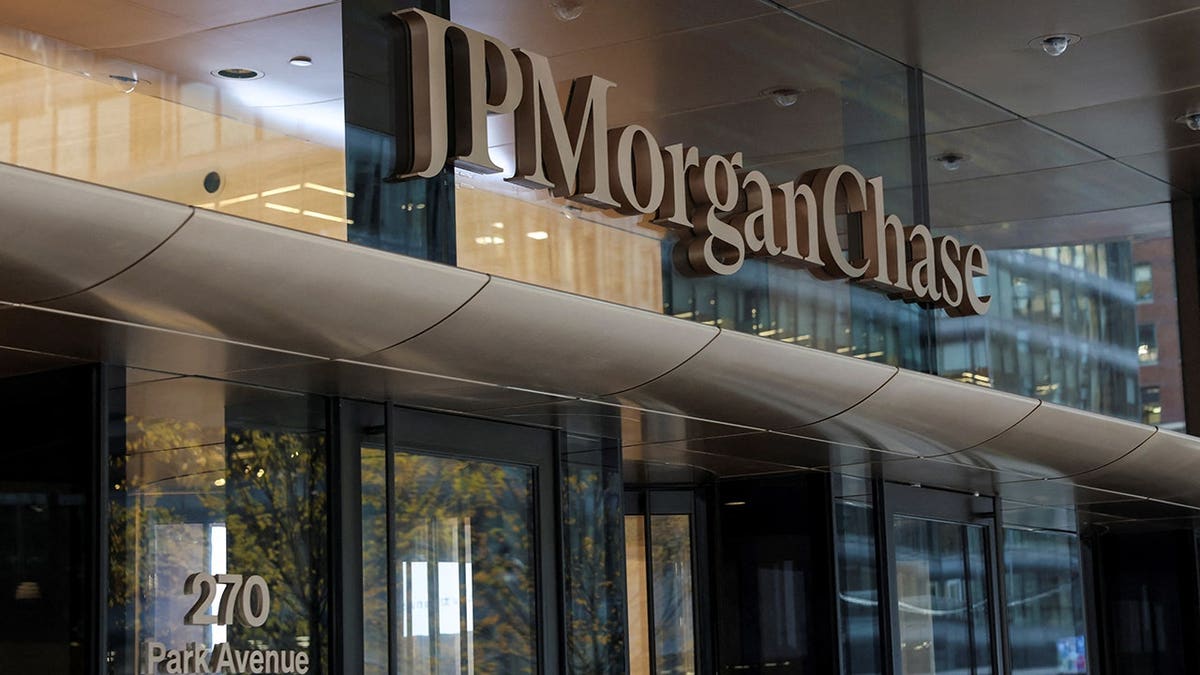
JPMorgan Chase confirmed the targeting of third-party service providers. A spokesperson noted that based on their findings, attackers accessed marketing data held by these vendors, potentially affecting customer names and email addresses. Over 16,000 email addresses linked to JPMorgan Chase customers and 124 bank employee addresses appeared in the leaked records.
Responses from Financial Companies
Mastercard admitted an incident with an external provider but indicated the breach only affected a small set of cardholders’ email addresses related to a particular benefit program. They stressed that no payment data was exposed and assured that the exposure has been contained.
Visa provided a statement confirming a third-party service provider incident in the Asia-Pacific region and emphasized that no payment data was compromised. They did not specify the number of potentially affected customers.
Impact on Customers
So far, statements from the companies indicate involvement primarily with customer information held by external service providers. There is no verified claim that banking passwords were stolen or that hackers accessed funds through this breach.
The exposure of contact information does pose threats, such as phishing attempts. Criminals could craft emails appearing legitimate due to real details being used, urging clients to verify their accounts on fraudulent sites.
Protecting Yourself After the Breach
Taking precautions can minimize exposure to scams:
- Avoid clicking on suspicious emails claiming account issues. Use official banking apps or websites to verify information.
- Never share verification codes. Scammers may use this tactic to access your accounts.
- Enable transaction alerts. This helps identify unauthorized activity quickly.
- Strengthen passwords and enable multifactor authentication to enhance security.
- Look out for official notifications from financial institutions regarding breaches and follow their guidance.
- Consider a credit freeze if sensitive data was exposed to prevent new accounts being opened in your name.
- Reduce publicly available personal information to make data aggregation by scammers harder.
- Immediately react if you’ve shared information with scammers by changing passwords and notifying banks.
Given the involvement of third-party service providers, customers should pay close attention to unusual messages claiming to be from financial institutions.