
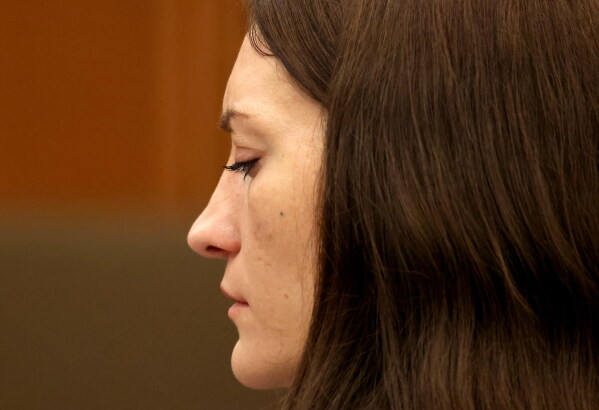
In Plymouth, Massachusetts, the trial of Lindsay Clancy is in progress. Onlookers are focused on her mental state during the incident involving her three children. The case has drawn significant attention due to the tragic circumstances and the debate over postpartum psychosis.
Incident Overview
Police officers responded to a distress call at Clancy’s home in January 2023. Upon arrival, they found Clancy semiconscious in the snow after she apparently jumped from a second-floor window. Her then-husband, Patrick Clancy, alerted the officers, stating he could not wake the children.
“I can’t wake them up — I can’t get them up!”
The officers, along with firefighters and paramedics, later testified to the grim scene in the basement where the children were found.
Clancy’s Defense
Lindsay Clancy’s lawyers argue that she was suffering from postpartum psychosis, a severe mental health disorder linked to childbirth. They do not dispute that she strangled the children but contend that her mental illness drove her actions.
Prosecutors, however, assert that Clancy acted with intent and is legally accountable for the children’s deaths.
Trial Developments
Testimony began with jurors hearing a recording of Patrick Clancy’s anguished 911 call. Patrick found the bodies of 3-year-old Dawson, 5-year-old Cora, and 8-month-old Callan after returning from an errand at his wife’s request. He stated he forgives Lindsay, viewing her as a person in need rather than malicious.
Officer Stephen Hall and Officer Brian Josephine testified about their responses. Officer Josephine recounted finding only the infant with a faint pulse, intensified by previous challenging experiences.
The situation became chaotic as more emergency services arrived. Firefighter PJ Hussey described seeing efforts to remove exercise bands from the children’s necks. Paramedic Jennifer Stratton confirmed that the infant did not regain a pulse despite attempts to save him.
Mental Health and Legal Implications
If convicted of murder, Clancy could face life imprisonment without parole. Alternatively, she might be institutionalized if deemed not criminally accountable due to her mental state.
In opening statements, Clancy’s attorney cited her bipolar disorder and worsening of symptoms post-childbirth due to antidepressants. Testimonies from Patrick Clancy earlier in the week reflected his wife’s struggle with mental health issues, including harmful thoughts and suicidal ideation, despite seeking treatment.
Additional lawsuits filed by Clancy and her ex-husband accuse medical providers of inadequate care, leading to a failure in diagnosing and treating her condition effectively. This aspect highlights the broader discourse on mental health treatment postpartum.