
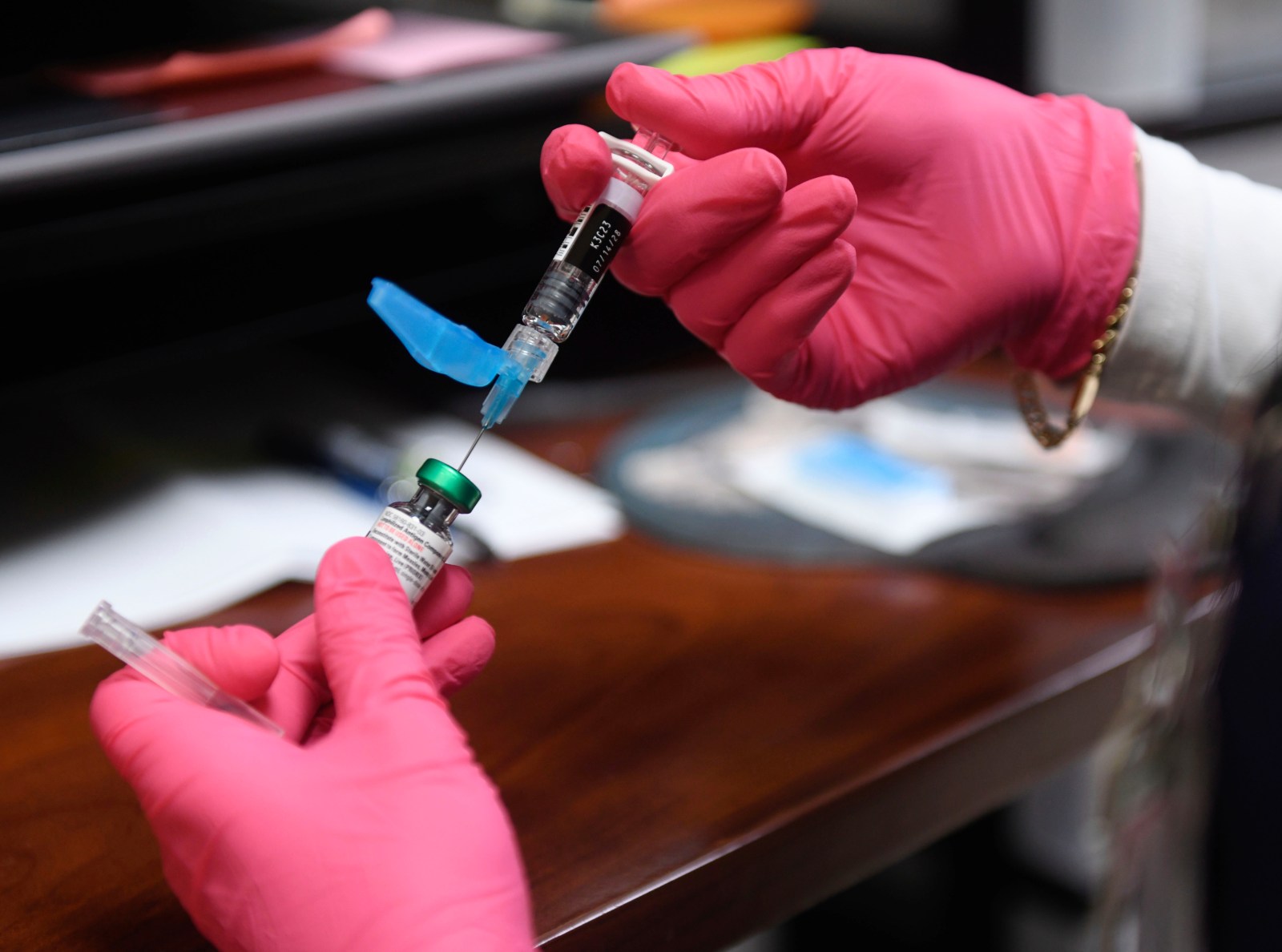
Measles Outbreak in Maryland
Maryland health officials have reported a measles outbreak in three counties, confirming 14 new cases among residents who have not been vaccinated. The affected counties are St. Mary’s, Carroll, and Cecil. In total, Maryland has identified 31 measles cases this year.
Since July 15, all 27 cases involved individuals who had not received the measles, mumps, and rubella (MMR) vaccine. Officials have not identified any public exposure sites and state that the infections mostly occurred within households, reducing the chance of widespread community transmission.
The Maryland Department of Health is collaborating with local health departments to increase vaccination rates and improve access to immunizations in the affected areas. Health authorities emphasize that measles is extremely contagious, noting that an unvaccinated person faces a 90 percent chance of infection upon exposure.
Dr. Meena Seshamani, Maryland Department of Health Secretary, reassures residents that the overall risk is low for those who are fully vaccinated. She urges Marylanders to support vaccination efforts to protect the most vulnerable members of the community.
Changes to Vaccine Recommendations
The measles outbreak coincides with President Donald Trump’s defense of changing childhood vaccination recommendations by separating the combined MMR vaccine into individual shots. The president suggests that this could help prevent autism, although scientific research has found no link between the MMR vaccine and autism.
Trump’s proposal involves replacing the standard MMR vaccine with separate injections, claiming potential benefits in autism prevention. However, Centers for Medicare and Medicaid Services administrator Dr. Mehmet Oz has challenged this stance, affirming that the combined MMR vaccine is not dangerous.
During a White House event, Trump described the combined MMR vaccine as potentially hazardous, advocating for administering its components separately. His statements contradict extensive research and expert opinions that have consistently found no connection between the MMR vaccine and adverse effects cited by critics.
Health experts warn that delaying vaccinations could leave children unprotected longer, especially as measles transmission rates increase. Maryland health officials continue to endorse the conventional MMR vaccine schedule, recommending the first dose from 12 to 15 months and the second from ages 4 to 6.