
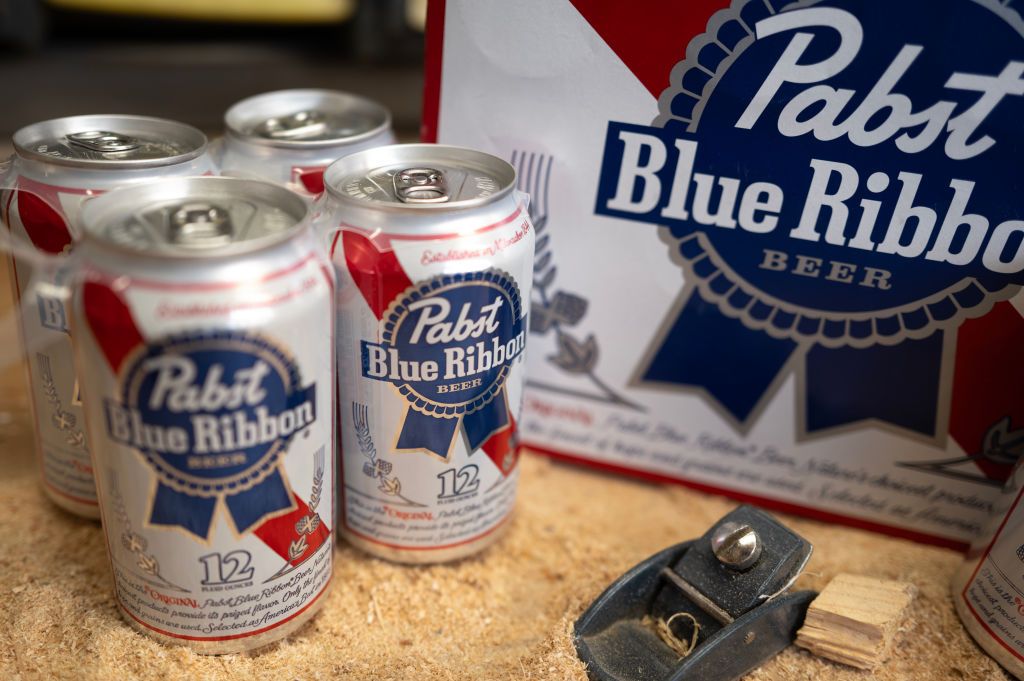
A recent theft of approximately 40,000 pounds of Pabst Blue Ribbon beer from a California distribution center has brought attention to a growing trend of sophisticated cargo fraud in the state. The theft occurred earlier this month, prompting Pabst to issue a public ultimatum. Police believe this incident may be part of a coordinated effort targeting multiple shipments within the same morning.
Details of the Theft
The Montclair police reported that a fraudulent subcontractor used fake paperwork to pick up $25,000 worth of Anheuser‑Busch/Pabst Blue Ribbon product on August 17. On the same morning, another shipment valued at $45,000 also disappeared. Investigators have noted similarities between these incidents and are exploring the possibility that they were executed by the same criminal organization.
Pabst responded to the theft by announcing on social media that there was an 18-day and 44-minute deadline for the return of the truck, with no questions asked. This timing seems to be a reference to the year 1844, when Pabst was founded. The company insisted that their message was genuine, not part of a marketing scheme, and noted the urgency as the beer is ‘getting warmer’. Pabst is cooperating with local authorities and has promised a reward for information leading to the recovery of the beer.
How the Heist Was Executed
Police revealed that the heist employed fraudulent documentation, a method increasingly used in cargo fraud, particularly targeting food and beverage shipments. Discrepancies were found in the trucking company details, driver identity, and vehicles used. As of now, California accounts for 34 percent of all reported cargo thefts in the nation, identifying it as the most targeted state for such crimes in the second quarter of 2026.
A report from Overhaul for Q2 2026 states that national cargo theft increased by 5 percent compared to the first quarter. Southern California remains the highest-risk area, with electronic goods being the most targeted items, followed by food, beverages, and various consumer goods. Thieves frequently target distribution centers, warehouses, truck stops, highways, rest areas, and major rail corridors.
Common Tactics Used in Cargo Thefts
Identity theft, fake brokering credentials, and forged subcontractor documents are commonly used by organized groups to secure pickups, similar to the Montclair beer heist.
The California Highway Patrol has identified multiple strategies employed by these groups:
- Strategic Theft and Fraud: Criminals use falsified documentation to execute their operations.
- Terminal Robberies: Crews infiltrate truck yards or distribution centers, occasionally holding staff hostage to seize loaded trailers.
- Hijackings: Syndicates use insider information to intercept commercial rigs, taking control at traffic lights, truck stops, or rest areas.
These operations often span multiple jurisdictions, complicating recovery once stolen goods enter the black-market network.
The Fate of the Missing Beer
As of now, there are no substantial leads on the whereabouts of the missing shipment. Police have cautioned that organized theft rings tend to rapidly dismantle shipments, selling pallets to smaller retailers or transporting goods across state lines, which makes recovery challenging once the cargo is off the original truck.
Significance of the Heist
Local authorities have described this incident as one of the largest beer thefts recorded, involving more than 50,000 missing cans. The scale resembles other significant beverage thefts this year, such as a $500,000 Noble Oak Bourbon heist in Philadelphia and a $325,000 frozen snow-crab theft linked to a federal cargo-fraud operation.
Ongoing Investigation
Police are actively pursuing both theft cases and have requested public assistance. Anyone with information regarding the driver, vehicles, or delivery company involved is urged to contact the Montclair Police Department at 909-621-4771.