
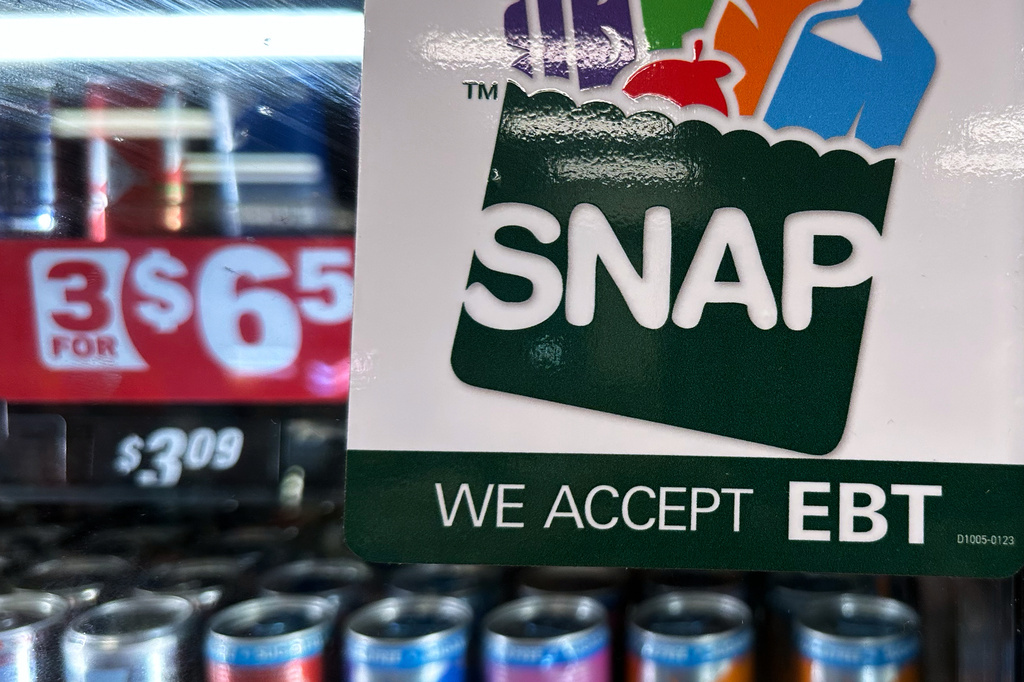
At a gas station in Riverwoods, Illinois, a sign highlights the use of SNAP EBT, drawing attention to issues many states face in managing food stamps effectively.
Niki Kozlowski, leading New Mexico’s Income Support Division, openly stated that her state has no immediate plans to tackle waste, fraud, and abuse in the food stamps program. This transparency spotlights a significant loophole that allows states to sidestep one of President Trump’s major welfare reforms.
The One Big Beautiful Bill Act aimed to address deficiencies in food stamps. Historically, states managed their food stamp programs with little financial accountability, as the federal government bore all costs. However, starting in fiscal 2028, states with substantial errors in food stamp spending will shoulder up to 15% of benefit costs based on their error rates.
This reform creates strong incentives for states to curb inefficiencies. States could face financial consequences if they don’t address their management failures effectively. But a significant exception exists: states losing over 13.34% of their spending to problems receive a grace period to correct their error rates.
Senator Lisa Murkowski from Alaska secured this exemption due to her state’s 60.4% error rate in 2023. While it shields Alaska from penalties, it also motivates other states to maintain high error rates to benefit from the grace period.
New Mexico exemplifies this strategy. Its error rate increased from 14.6% in fiscal 2024 to 16.8% in 2025. Kozlowski mentions a “balancing act” in trying to reduce misspending while maintaining state objectives.
Other regions face similar challenges. Regions like Alaska, Georgia, Oregon, and Washington, D.C. maintain high error rates, while Delaware and Illinois saw substantial increases between 2024 and 2025. Delaware’s rate jumped from 11.5% to 14.6%, while Illinois’ rose from 12.3% to 16%.
In contrast, some states demonstrate progress. New Jersey reduced its error rate from 14.3% to 6.8%. New York, Maryland, Massachusetts, and Florida have dropped below critical levels but remain close to avoiding penalties entirely. New York and Maryland are marginally below the 13.3% threshold.
Despite improvements, many states request Congressional delays on imposing penalties. Proposed changes in the Senate’s draft farm bill, influenced by Democratic demands, might delay penalties by another year.
Hayden Dublois, data and analytics director at the Foundation for Government Accountability, emphasizes the need to maintain reforms. Republicans are urged not to concede to demands that weaken the reform’s impact. States need to be held accountable for past mismanagement and incentivized to implement robust reforms.