
Lindsay Clancy communicated with one of her caregivers less than two months before a tragic event in 2023, where she took the lives of her three children. She expressed fears about developing addiction to some medications and mentioned having ‘intrusive thoughts’ and feeling ‘completely hopeless.’
Discussion on Postpartum Psychosis
Rebecca Jollotta, a psychiatric nurse practitioner at South Shore Health Perinatal Behavior Health Program, gave testimony during the trial. She stated that she had frequent communication with Clancy through a patient portal during late November and December 2022. Their discussions mainly focused on Clancy’s sleeping challenges, symptoms of depression, and her efforts to find the appropriate medication balance.
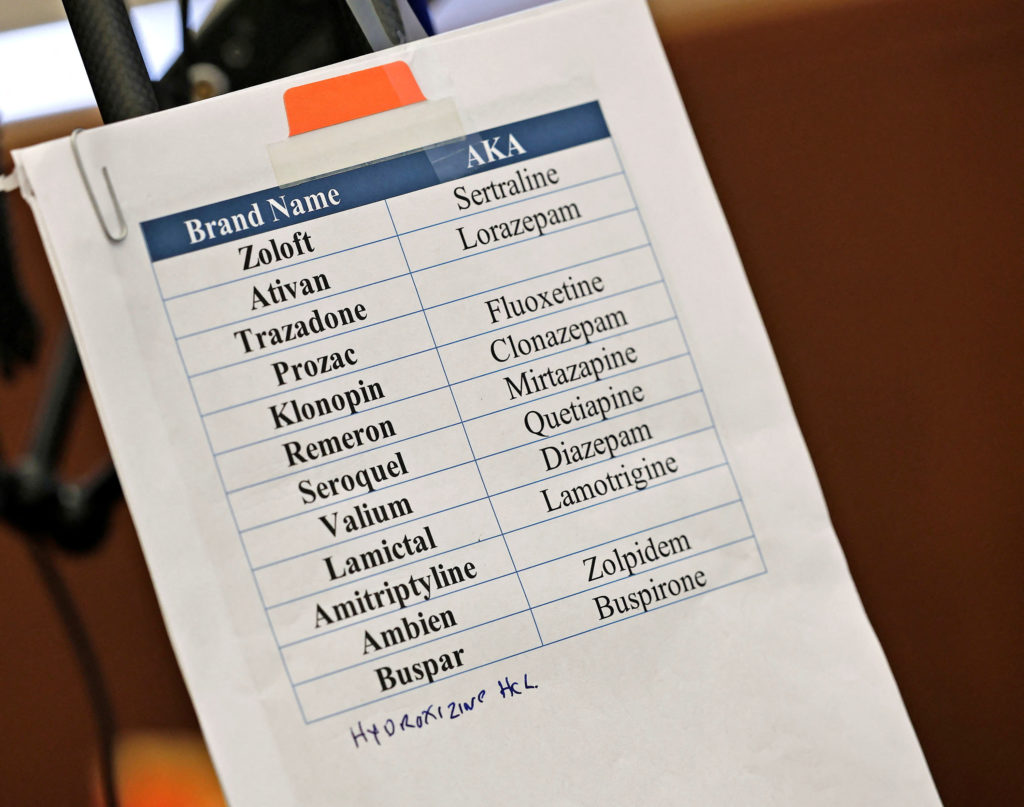
Clancy often conveyed that she had not taken her full medication doses or wanted to adjust her prescriptions because of significant side effects. She expressed concern about potential addiction to medications like Ativan. However, Jollotta indicated that Clancy was not addicted.
Medication Challenges
In December, Clancy conveyed her dissatisfaction with taking Remeron, an antidepressant also prescribed for anxiety and insomnia. She expressed a desire to revert to a prior prescription, citing new intrusive thoughts. Jollotta reassured Clancy, explaining that such thoughts are common with postpartum depression and anxiety. She advised giving Remeron more time to become effective, as Clancy had been using it only for a few days.
“This could be some postpartum anxiety. I wanted to familiarize her with the symptoms, so she had them written down to report them to me,” Jollotta stated.
Despite proposing alternative treatment plans, such as different medications, therapy, and support groups, Jollotta emphasized Clancy’s autonomy over her care.
Concerning Suicidal Thoughts
Clancy never mentioned plans to harm herself or her children during visits. Still, she did report suicidal thoughts, which raised concerns about possible underlying bipolar disorder. Patrick Clancy denied this diagnosis. Jollotta recommended a higher level of care when Clancy’s symptoms worsened in December.
Clancy was admitted to the Women and Infants Hospital postpartum program in Rhode Island but was soon discharged with advice to stop an antipsychotic medication. Jollotta expressed concern about Clancy’s discharge, especially her decision to discontinue Seroquel.
Questions on Treatment Coordination
During cross-examination, Clancy’s attorney Kevin Reddington highlighted Jollotta’s limited knowledge of Clancy’s treatment history. Jollotta did not communicate with Clancy’s psychiatrist, Dr. Jennifer Tufts, or review records from hospitals involved in Clancy’s care.
Jollotta acknowledged the importance of obtaining comprehensive diagnostic and treatment information, admitting she had not done so in Clancy’s case.
Trial Overview
Clancy pleaded not guilty to murder charges for her children’s deaths in January 2023. Prosecutors assert that she intentionally orchestrated the situation to kill the children. Clancy’s defense argues she is not criminally liable due to mental illness, including bipolar disorder and postpartum psychosis. A forensic psychiatrist diagnosed her with these conditions post-incident.