
The trial of Lindsay Clancy, accused of murdering her three children in Duxbury, Massachusetts, resumed in Plymouth Superior Court. The prosecution rested its case, and the defense began calling witnesses. Key figures included Clancy’s mother, Paula Musgrove, and sister, Allison Ozga. Clancy has pleaded not guilty to the murders, citing postpartum psychosis.
Musgrove’s Testimony
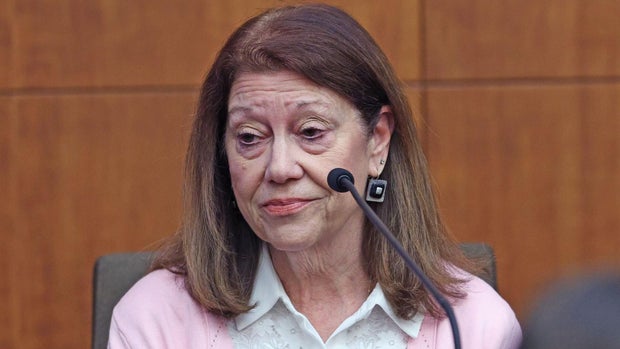
Musgrove testified about her daughter’s mental state, describing Lindsay Clancy as a loving mother. She mentioned noticing a change in her demeanor in October 2022. Text messages presented in court showed Clancy asking her mother to stay with her, citing severe insomnia and anxiety.
During cross-examination, prosecutor Jennifer Sprague questioned Musgrove, asking if she ever considered committing Clancy to a mental health facility. Musgrove denied feeling the need as she believed her presence provided safety.
Cross-Examination Details
Sprague read messages from January 2023, weeks before the tragedy, where Clancy reported feeling better. Musgrove stayed with the youngest child while Clancy attended a party, later writing encouraging messages to her daughter. She stated these were intended to motivate Clancy, not necessarily reflect her actual condition.
Clancy’s Sister on the Stand
Allison Ozga testified about observing changes in Clancy’s mood during Thanksgiving 2022. Despite this, Ozga stated she had no immediate concerns about the children’s safety.
Prosecutors highlighted that Ozga did not express concerns immediately prior to the incident. The defense brought this witness to underscore Clancy’s deteriorating mental state.
First Defense Witness Appears
Margaret Hamp, a nurse who worked with Clancy, recounted an emotional conversation about mental health, referring to historical postpartum psychosis cases. Hamp’s testimony aimed to provide context to Clancy’s mental health struggles.
Prosecution and Defense Witnesses
Ian Whiffin from Cellebrite detailed digital data linked to Clancy’s devices, raising questions about the evidence’s origins. The defense countered with claims of misinterpretation regarding what device collected certain data on critical dates.
Whiffin’s testimony covered search records, including inquiries about depression and postpartum psychosis, hinting at Clancy’s mental health struggles before the incident.
Judge’s Decisions
Judge William Sullivan denied the defense’s motion to find Clancy not guilty or lower the charges. He cited insufficient evidence of a mental defect affecting Clancy’s capability to understand her actions.
Potential Outcomes
If convicted of first-degree murder, Clancy could face life imprisonment without parole. However, if deemed not criminally responsible, she would be committed to a psychiatric facility. The trial continues as the defense seeks to establish its arguments.
If you or someone you know needs support, contact the 988 Suicide & Crisis Lifeline at 988 or the National Alliance on Mental Illness HelpLine at 1-800-950-NAMI (6264).