
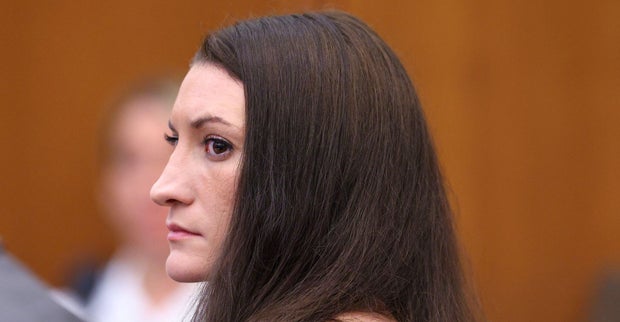
The trial of Lindsay Clancy, accused of killing her three young children in 2023, has unfolded with extensive testimonies. Clancy has entered a plea of not guilty, though her lawyers acknowledge her involvement in the deaths of her children, Cora, Dawson, and Callan, in January 2023.
Defense Claims and Prosecution Allegations
The defense argues that Clancy, 36, suffered from postpartum psychosis and bipolar disorder, exacerbated by overmedication. The prosecution contends she premeditated the murders, later attempting to stage a suicide.
Key Testimonies
Mother’s Testimony Highlights Concerns
Paula Musgrove, Clancy’s mother, testified about a revealing conversation in December 2022. Clancy expressed fear and anxiety, acknowledging harmful thoughts toward her children. Despite these revelations, Musgrove did not perceive an immediate danger requiring intervention.
Clancy’s Private Writings and Internet Searches
Massachusetts State Police Detective Timothy Chiappini read Clancy’s diary-style entries and internet searches. Entries exposed her struggles with parenting and treatment. Searches included inquiries about mental health issues and potential self-harm methods.
Courtroom Emotions and Clancy’s Reaction
Clancy showed intense emotional distress during court sessions. On Aug. 12, she wept as a medical examiner detailed the children’s injuries. Her emotional breakdown prompted her removal from the courtroom for composure. The jury received instructions to separate emotions from evidence assessment.
Psychiatrist’s Observations on Treatment
Dr. Jennifer Tufts, Clancy’s psychiatrist, reported about her telehealth sessions with Clancy. Tufts noted Clancy’s feelings of numbness and sleeplessness. Despite multiple medications, Clancy remained anxious and depressed, with reluctance to continue medication.
Tufts highlighted the use of Zoloft, mentioning its warning regarding potential increased suicidal thoughts in individuals aged 24 and under, clarifying her belief that adults over 24 are not similarly affected.
If you or someone you know is in distress, contact the 988 Suicide & Crisis Lifeline by calling or texting 988 for support 24/7. The National Alliance on Mental Illness (NAMI) can be contacted at 1-800-950-NAMI (6264), available Monday to Friday, 10 a.m. to 10 p.m. ET.
Report contributions from Shanelle Kaul, Matt Schooley, Penny Kmitt, and Aaron Parseghian.