
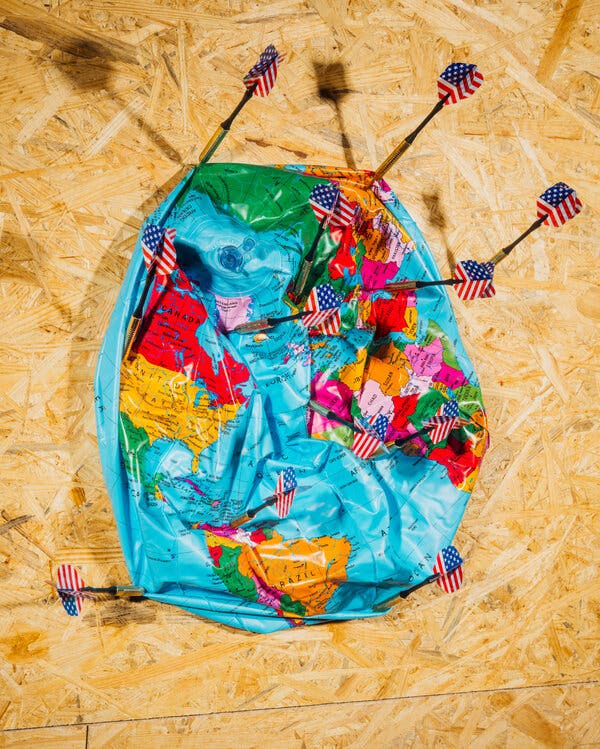
As the conflict in Iran nears a delicate conclusion, Americans reflect on its minimal achievements. Iran, a middle power, isolated economically and facing protests, has resisted a global superpower despite the U.S. spending $29 billion.
United States’ Unilateral Action
The United States, relying only on Israel, aimed to use military force to subdue Iran. President Trump bypassed the U.N. Security Council’s approval, rendering the war unlawful and alienating allies. Lack of regional consultation added risk to neighboring countries.
President Trump’s strategy hinged on military might and bombing plans, which proved ineffective. Iran retaliated by illegally shutting down the Strait of Hormuz and launching attacks. When the U.S. sought wider support, allies refused to partake in the unlawful war.
Nations historically allied with the U.S. chose not to assist. Countries like Spain, France, and Italy restricted military access, showcasing their distance from the conflict. Even Britain limited its involvement to defensive operations only.
International Cooperation Insight
The Iran conflict exposed a critical lesson: no state, regardless of power, can succeed alone. This situation highlights flaws in President Trump’s international approach, which lacked collaborative strategy.
America’s historical greatness stemmed from its ability to build inclusive international institutions. The U.N., designed by the State Department, sought to sustain peace after WWII. Unfortunately, the Trump administration’s actions in Iran, Venezuela, and the Caribbean have contradicted the U.N. Charter, emphasizing the need for adherence to foundational principles.