
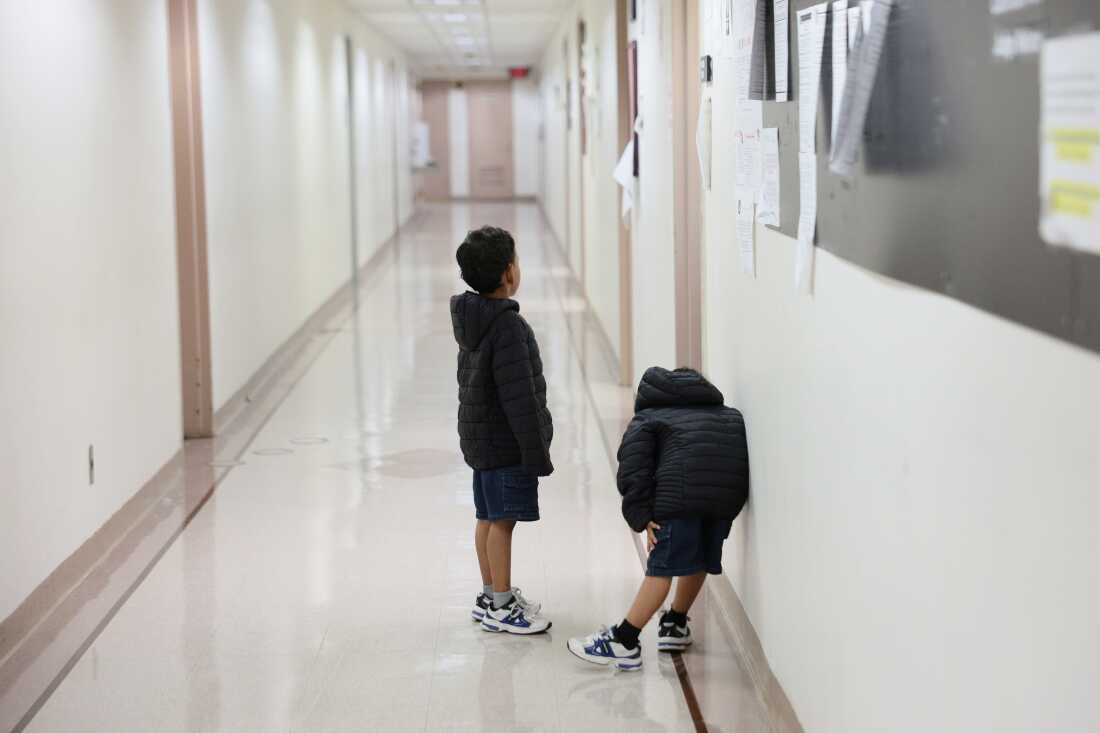
Thousands of children who have entered the United States without parents or guardians face the prospect of court hearings without independent legal representation. Estimates suggest 26,000 children risk losing necessary legal support starting Monday, as shared by legal professionals focusing on their advocacy.
Legal Protection Mandate
U.S. law has mandated for over two decades the protection of children arriving unaccompanied due to concerns regarding exploitation and trafficking. Following their entry, these children usually transition to the care of the Office of Refugee Resettlement (ORR). Congress funds a network of nearly 100 legal groups offering vital legal services to these minors.
However, in November, ORR halted funding for these services after legal representatives rejected demands for confidential details regarding the children—a refusal based on attorney-client privilege. The Acacia Center for Justice, overseeing the legal service contract with ORR, stated that withholding payment for previously completed work to obtain confidential information is unjust.
Contract and Representation Challenges
The legal service contract expired without renewal on Friday, leaving many children potentially facing a courtroom without legal guidance. Alexa Sendukas, with the Galveston-Houston Immigrant Representation Project, expressed concerns about the imminent risk of deportation for the children. Data indicates that without legal assistance, unaccompanied minors prevail in their cases less than 1% of the time, jeopardizing their safety and well-being.
Children arriving in the U.S. independently often seek refuge and security, but current administrative actions may undermine their pursuit of protection, according to Sendukas.
Legal Funding and Staffing Issues
A nonprofit coalition initiated a lawsuit demanding overdue payments amounting to $65 million and the continuation of funding. The financial cessation lasting over eight months led some legal services to downsize their teams. ProBAR, affiliated with the American Bar Association, laid off over 20% of its staff due to lost funding for child immigration services.
Although Acacia recently received notice of potential new contract arrangements from ORR, specifics regarding prospective contractors remain undisclosed, fostering anxiety and concern among service providers.
Uncertainty and Advocacy
No comments were shared by ORR or the White House when approached regarding the situation. Notably, June data revealed approximately 1,800 children under ORR custody, maintaining an average of 194 days before sponsorship placement. Lawyers critique this duration, viewing it as detrimental to the children’s welfare.
Network-affiliated attorneys have historically educated children about their rights and eligibility for specific legal services. However, reductions might impede the delivery of some educational and legal offerings.
Despite funding and contract setbacks, several lawyers commit to providing representation due to ethical obligations. Mickey Donovan of the Immigrant Defenders Law Center emphasized their commitment to attend court hearings and assist in preventing unwarranted deportations despite financial challenges.