
Accusations Against Trump’s Financial Decisions
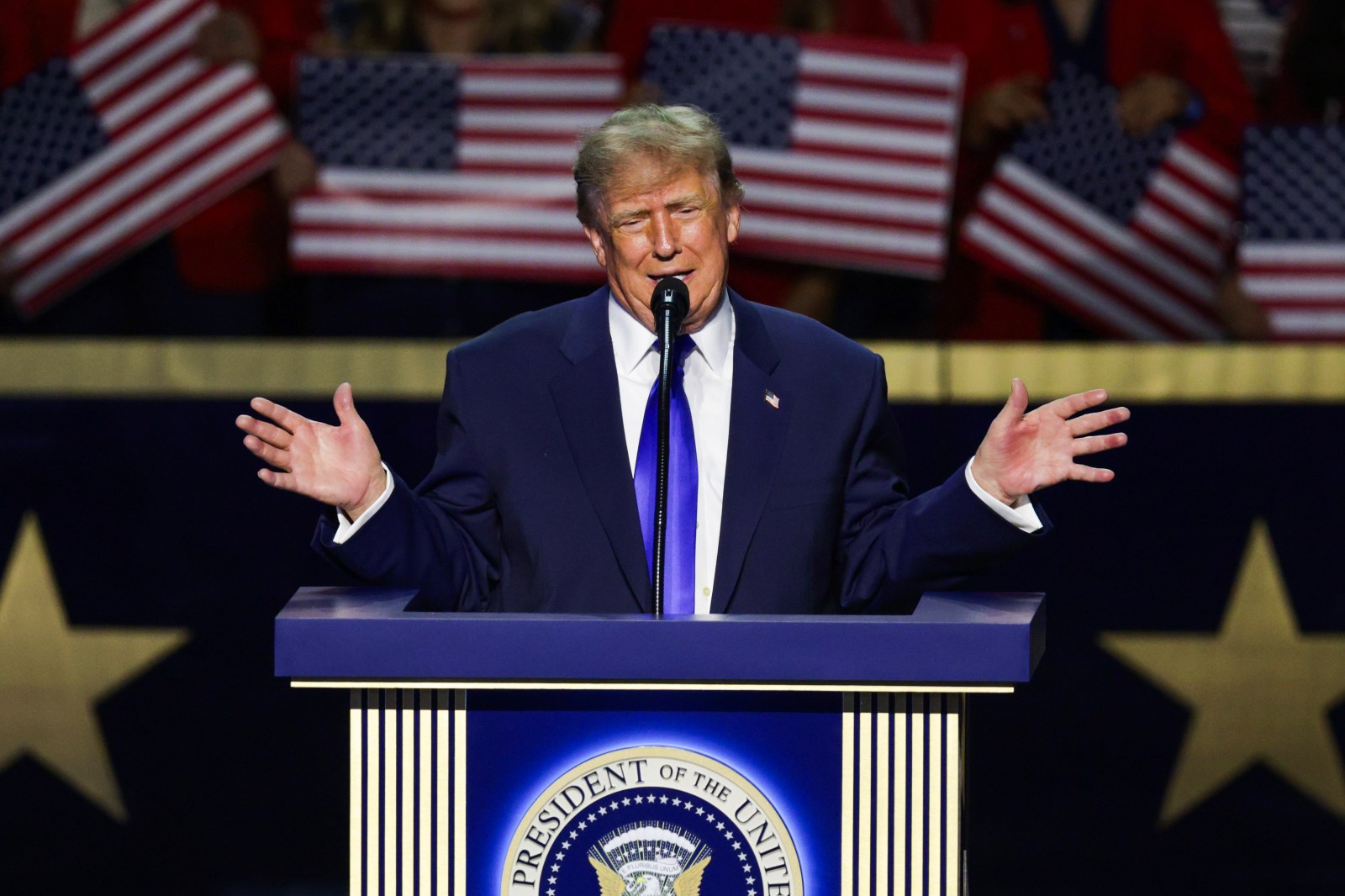
President Donald Trump faces new legal scrutiny over alleged violations of federal statutes. These accusations arise from his cash gifts to White House aides and his promise to send $5,000 checks to citizens should Republicans maintain congressional control in the upcoming elections. Two distinct sections of Title 18 of the U.S. Code are under the spotlight.
Gifts to Aides Under Examination
Reports have indicated that Trump distributed holiday cash gifts totaling $45,000 to Natalie Harp and two other aides. This action has been criticized for potentially contravening 18 U.S.C. § 209, which limits executive branch employees from receiving additional compensation beyond their federal salary. Legal experts express concern that such payments could have political ramifications, possibly leading to impeachment proceedings.
However, a spokesperson from the White House defends the legality of these gifts, emphasizing they were a customary practice unrelated to the recipients’ professional roles within the government.
Pledge of $5,000 Checks
Trump further stirred debate with a promise to deliver $5,000 to every American if Republicans retain both congressional houses. Critics suggest the proposal may violate 18 U.S.C. § 597, which prohibits financial inducements affecting voting behavior. Opponents argue the initiative appears as an attempt to influence voter decisions.
Notably, some defend the promise as a legitimate campaign strategy, suggesting it does not violate legal norms since the offer applies universally, not contingent on voting actions. Judicial approval from Congress would be necessary to implement such a proposal.
Diverse Opinions and Reactions
The proposed economic incentive created a division of opinions. Critics, including political figures like California Governor Gavin Newsom, denounce Trump’s initiative, labeling it as an effort to purchase electoral support. Meanwhile, other legal voices see the promise as a general campaign declaration.
The situation raises essential questions about campaign ethics and financial influence, bringing considerable attention to the nature of these promises and gifts.