
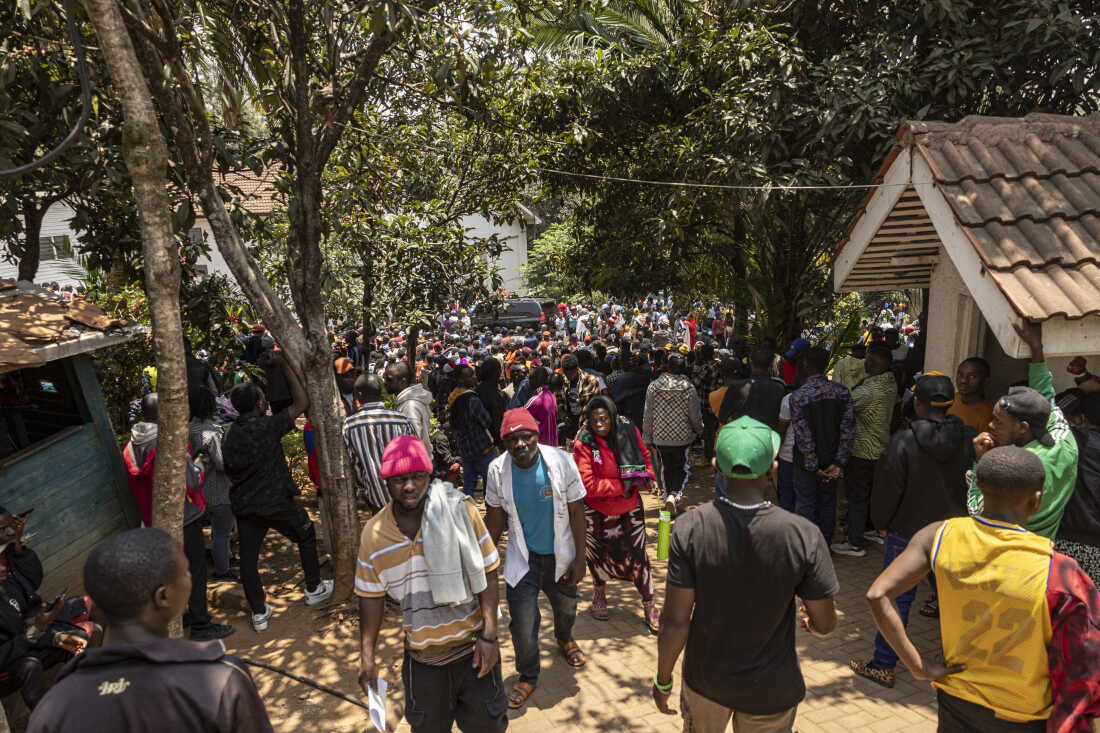
In Nairobi, Kenya’s bustling capital, the morning is lively as people hurry to work and vendors prepare for the day. Yet, for foreign nationals who manage small businesses, the atmosphere is tense. Last week, President William Ruto announced a directive ordering authorities to close small-scale businesses operated by foreigners, asserting that these opportunities should be reserved for Kenyans. This has ignited fear among immigrant communities.
At a matatu terminal, the impact is evident. James Mogaka, who oversees Nairobi’s minibus taxi hub, notes the absence of many vehicles usually managed by foreign nationals. “Today they have not come. Their vehicles are not here,” he reports. One of his drivers is apprehensive, worried for his Burundian wife who runs a fruit stall. “The guy is even afraid that people might come to chase away the wife,” Mogaka shares. “I really don’t know where we are heading.”
The government action has left migrants uneasy regarding potential effects on their livelihoods and security. Across Africa, similar issues arise, from business restrictions in Tanzania to xenophobic violence resurgence in South Africa.
In Nairobi’s business district, opinions on the directive vary. Local trader Robert Kiberenge criticizes the move, suggesting it distracts from other pressing matters. “We have no problem with foreigners doing small businesses in Kenya,” he says. In contrast, graduate Kiprono Kutuny supports the policy, advocating for protection of local traders, noting, “These people from foreign countries have taken these businesses and are doing it in cheap labor.”
Kenya, East Africa’s economic leader, houses around 993,000 international migrants as per United Nations estimates for 2024. The government insists its policy shields Kenyan traders from tough competition by foreign nationals. Economist Edward Kusewa disagrees, arguing it contradicts the African Continental Free Trade Area’s goals. “These people contribute a lot to the economy,” Kusewa insists, highlighting their tax contributions and the economic repercussions that may follow.
As election season approaches, debates flare over who should manage small businesses amid economic pressure and job worries. Authorities have tried to calm affected individuals by allowing undocumented East African nationals 90 days to secure necessary documents for business operations. Nevertheless, many are already gripped by fear.