
Seventeen years ago, Jennifer Thompson faced a grim reality: she and the police had mistakenly identified an innocent man, leading to his wrongful conviction. As exoneration stories multiply, Thompson works to address the overlooked impact on victims.
Healing Justice Initiative
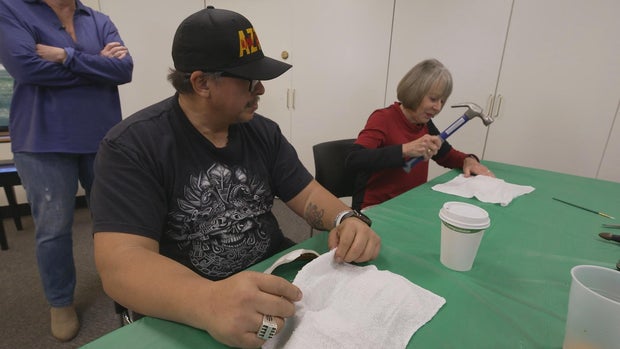
Thompson launched Healing Justice, a pioneering initiative, by bringing together crime victims and exonerees from different cases for healing. Participants engage in activities like smashing and repairing bowls, symbolizing the challenge of rebuilding lives after wrongful convictions.
The Impact of Wrongful Convictions
Lesley Stahl interviewed Thompson and others involved in the retreat. The wrongful conviction isn’t limited to the individual. It affects families, communities, and victims. Those who wrongly identified suspects often carry intense guilt, as Thompson experienced after mistakenly identifying Ronald Cotton.
A Retreat for Healing
The retreat features interactive sessions where participants share their stories, play games, and paint their repaired bowls with gold—a practice called kintsugi
, symbolizing strength in broken places. They address wounds left by wrongful convictions and internalized harsh judgments through written exercises.
The hardest part for me is hearing what the exonerees went through in prison. It’s so hard to hear, but it’s so necessary. —Penny Beerntsen
The Challenge of Reconciliation
Through shared experiences, participants find common ground. For some victims, like Loretta Zilinger-White, confronting the guilt of misidentification is a critical step in healing. Exonerees, such as Raymond Towler, find relief when victims express belief in their innocence.
Shifting Perspectives
Andrea Harrison and her father, Dwayne Jones, whose family was affected by a wrongful conviction, attended the retreat for the first time. The experience prompted them to consider different perspectives, realizing both victims and exonerees are affected by systemic failures.
The justice system failed him just like it did us. —Andrea Harrison
Building Towards Their Future
The retreat concludes with participants writing letters of self-compassion, highlighting the importance of positive self-talk. Engaging in improv games fosters a joyful environment, allowing participants to shed fears and guilt, nurturing connections and understanding.
Ongoing Work and Hope
Healing Justice continues to support victims and exonerees, advising prosecutors on empathy and effective communication. Despite the ongoing struggle, Thompson’s initiative highlights the power of relationships in the healing process, as participants work together toward emotional recovery and system reform.