
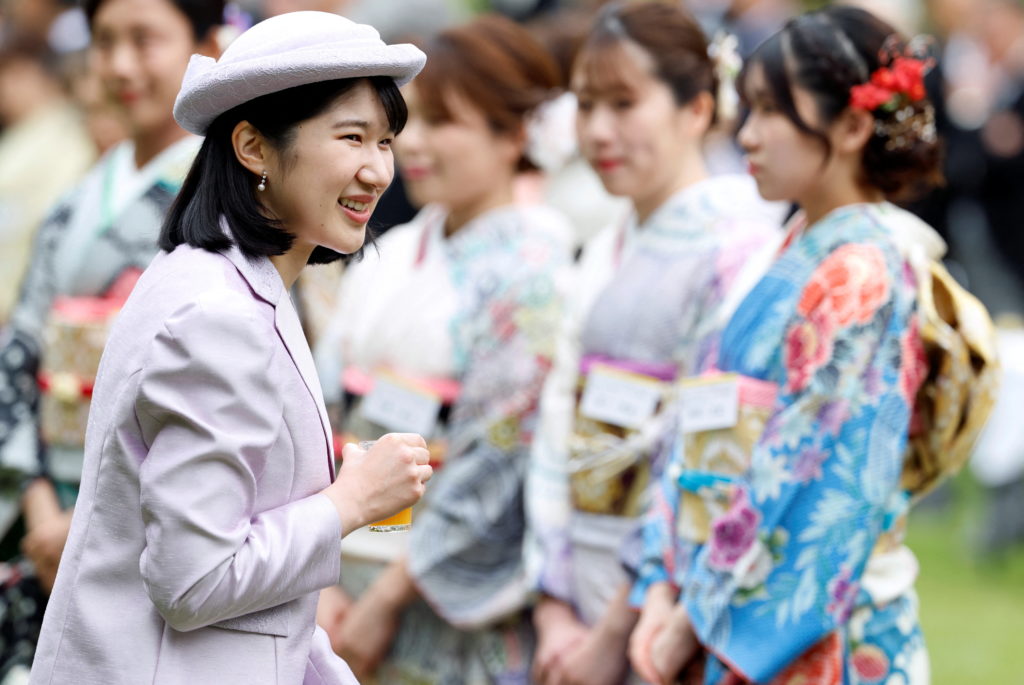
Japan’s parliament has approved a change to the 19th-century Imperial House Law, enforcing that only men from the paternal lineage can ascend to the throne. This move raises concerns about the future of Japan’s shrinking imperial family.
Current Succession and Royal Family Dynamics
Emperor Naruhito’s daughter, Princess Aiko, remains popular among many Japanese. However, she cannot succeed due to the male-only succession rules. The line of succession now directs to Emperor Naruhito’s younger brother and then his nephew, Prince Hisahito.
The emphasis on male heirs is evident, with Hisahito being the first male born in four decades in the imperial family. Only five of the 16 adult members are male, creating concerns about the family’s sustainability.
Law Changes and Their Impact
The revised law permits adopting distant male relatives to ensure future heirs and allows princesses to retain their royal status after marrying commoners. This aims to cement the male bloodline, pushing Princess Aiko aside.
Prime Minister Sanae Takaichi, a conservative, upholds the male lineage as vital to the emperor’s authority. Some view this as a strategy to exclude Princess Aiko and uphold a patriarchal system.
Historical Context and Public Reaction
The law’s roots trace back to Japan’s 1890 Imperial House Law, supporting patriarchal principles. The current system faces criticism for being unworkable in modern times, especially as Japan deals with an aging population.
Efforts in 2005 to allow female monarchs were abandoned after Hisahito’s birth. Critics argue that the recent changes marginalize women and force male heirs into pressure-filled roles.
Adoption of Distant Relatives
One controversial measure allows adopting unmarried male descendants from distant branches, but only of paternal lineage, into the royal family. These members lost royal status post-World War II to alleviate the financial burden on the monarchy.
Critics question the logic of preferring distant relatives over Princess Aiko and highlight the challenges of entering a constrained royal life.
Public Sentiment and Future Implications
Japan’s male-only succession rules continue to stir public debate. Many support Princess Aiko and question why women cannot assume the symbolic role of emperor. Former Emperor Akihito’s past efforts to modernize the monarchy and engage with the public reflect a potential shift toward inclusive succession views.
The enactment of a new law protecting the national flag from desecration accompanies these changes, feeding into wider debates on government influence over public sentiment and freedom of expression.