
Recent developments in the Strait of Hormuz indicate Iran’s strategic positioning in its confrontation with the United States. Former Defense Secretary Mark Esper addressed these issues on Sunday, highlighting Iran’s latest demands, including compensation and sanctions relief, as part of ongoing negotiations over this crucial shipping route.
According to Esper, Iran believes it holds a stronger position against the U.S. These comments followed an announcement by Iranian officials about nearing a deal with Oman on new shipping routes through the strait. The agreement’s completion would depend on the U.S. meeting various demands.
Importance of the Strait of Hormuz
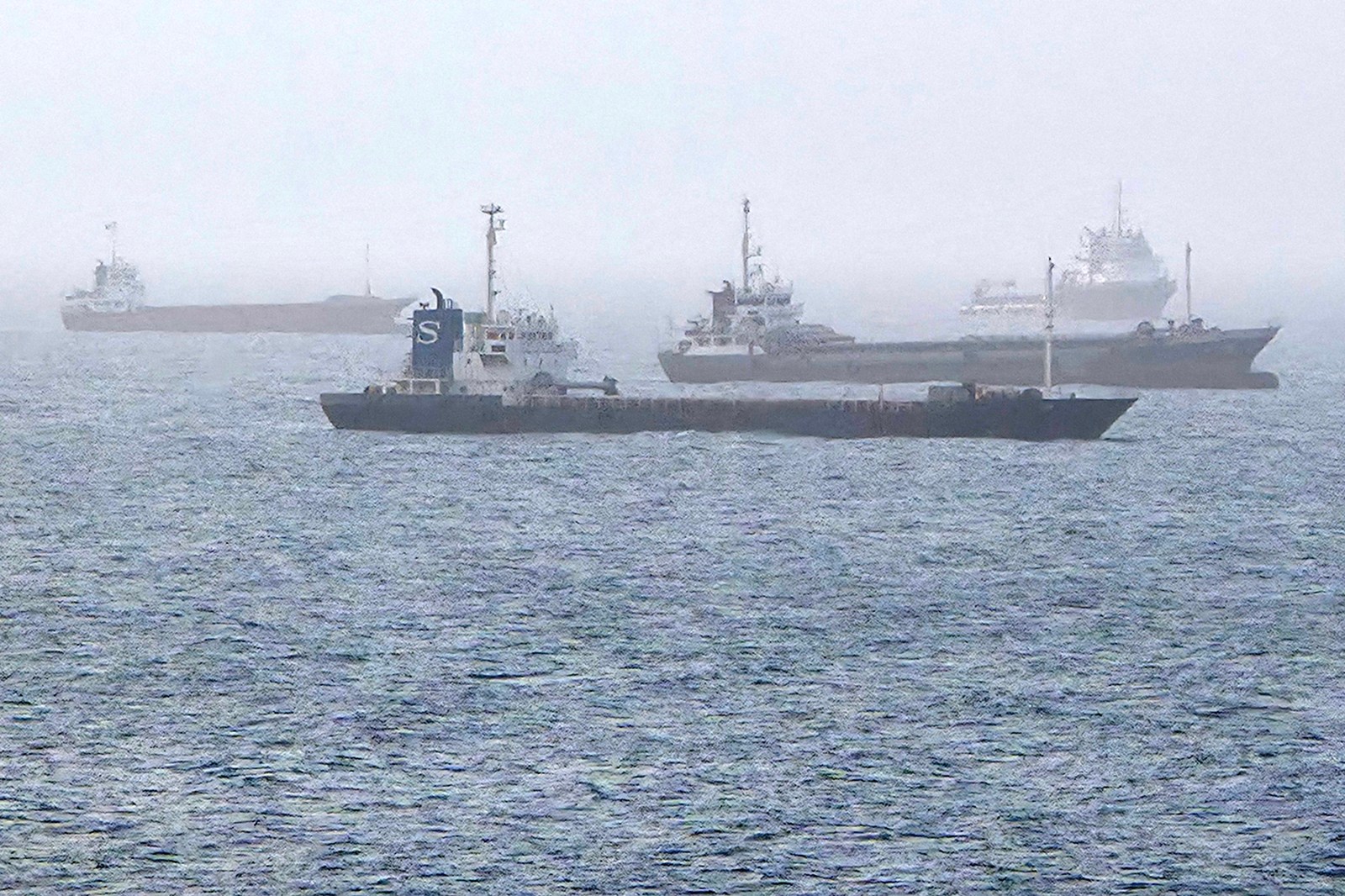
The Strait of Hormuz is a critical waterway for global oil shipments, typically transporting about one-fifth of the world’s oil. Tensions over this route have escalated with Iran restricting commercial shipping in response to U.S. and Israeli military activities earlier this year.
On Sunday, Iranian Foreign Minister Abbas Araghchi announced that the agreement with Oman was in its ‘final stages.’ However, he reiterated Iran’s stance that the waterway would not fully reopen unless broader demands, including compensation for conflict damage and easing of sanctions, were addressed by the U.S.
Mohammad Bagher Zolghadr, Secretary of Iran’s Supreme National Security Council, emphasized that the demands align with the Iranian people’s will, insisting that Tehran would remain firm both in warfare and negotiations.
Esper’s Perspective on Iran’s Strategy
Esper viewed Iran’s demands as evidence of increased confidence rather than compromise. He identified significant demands, such as ending U.S. military activities in the region, lifting sanctions, and withdrawing U.S. forces.
“They’ve put forward demands of the United States, which frankly are ridiculous and should be rejected out of hand,” Esper said on ABC’s This Week.
The demands reveal Iran’s perception of possessing leverage, possibly leveraging the strait to compel the U.S. to concede. Esper emphasized that Iran is betting on its strategic position to drive Washington to concessions.
According to Joshua Tallis, a former senior U.S. Navy official, Iranian strikes on commercial shipping impact global trade systems as stakeholders reassess the risks of navigation through the strait. Critics argue that formalizing Iran’s control over these routes could disrupt norms of free navigation.
U.S. Response and Regional Tensions
Esper noted a contrast between the U.S. administration’s confidence in progress and Iran’s extensive demands. Vice President JD Vance indicated that Iran’s economic woes push them toward resolution, with Trump citing positive developments in talks.
Despite Iran’s economic struggles, Esper pointed out the strength of Iran’s military leadership, which he believes is controlling decision-making. He suggested an economic blockade to pressure Iran further, advocating for support from U.S. allies in Europe and Asia.
Esper referenced recent regional attacks as signals of Iran’s attempt to widen the conflict. Reports of attacks on a Saudi refinery and a UAE vessel underline concerns about disrupted oil supplies and potential escalation in the region.
Future Outlook
Focus remains on the possible finalizing of the Oman-Iran agreement and the broader implications of Iran’s demands. The outcome will determine the normalization of commercial shipping through the strait and could enhance Tehran’s regional influence if granted a formal managing role.
Negotiations continue, as the world awaits clarity on this vital waterway’s future role in global trade.