
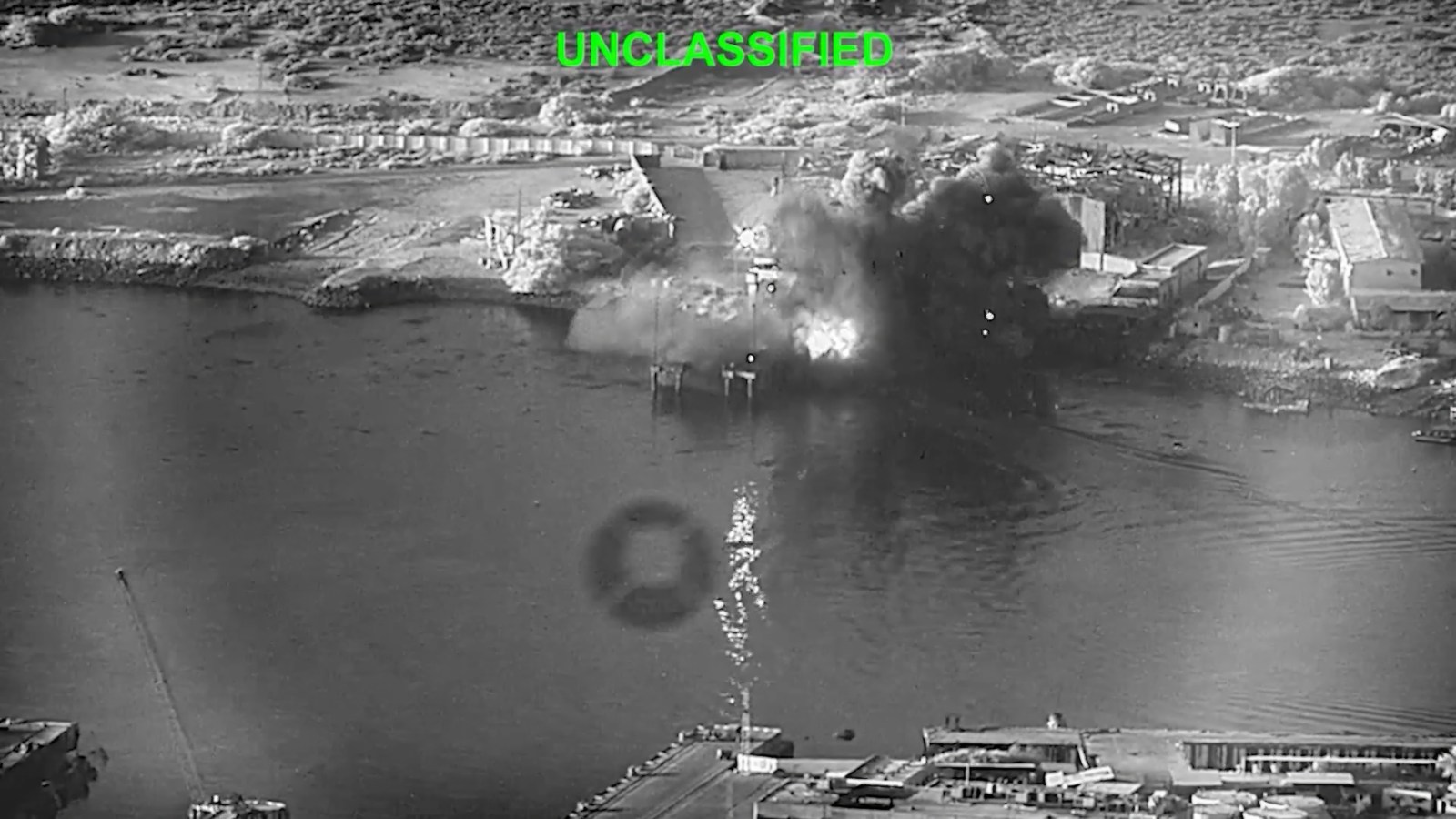
While Americans slept, U.S. missiles targeted Iran, showing no sign of stopping. President Donald Trump now threatens to hit bridges and power plants after five days of strikes. For Iranians, the situation is dire, but Iran’s Revolutionary Guard Corps (IRGC) sees benefits in the conflict.
Trump’s Campaign and Foreign Conflicts
In his second presidential campaign, Trump criticized costly wars in Iraq and Afghanistan. He promised to end foreign conflicts. However, he risks starting another with Iran. This conflict could unintentionally strengthen Iran’s regime, which he aims to change.
The IRGC’s Advantage
The IRGC thrives in prolonged conflict. According to Dr. Andreas Krieg at King’s College London, such situations bolster its political model. The IRGC can maintain national mobilization, justify repression, and marginalize civilian institutions. It presents itself as Iran’s essential defender.
The IRGC also leverages asymmetric warfare. Though U.S. military power is greater on paper, Iran controls strategic waterways like Hormuz. This control threatens global economic stability, strengthening Iran’s negotiating power.
Economic and Geopolitical Dynamics
If the IRGC manages well, other nations may seek trade agreements with Iran. Iran could offer secure passage through Hormuz in exchange for economic deals. This bargaining chip is crucial, as Iran faces extensive U.S. sanctions.
Political analyst Peiman Salehi notes the conflict isn’t just Iran vs. the U.S. It’s a struggle between an established power and a shifting world order. Iran’s control of Hormuz affects Middle Eastern energy exports, impacting China’s interests.
Challenges for Trump
Trump finds himself in a difficult situation. Airstrikes weaken Iran’s infrastructure but can’t eliminate its offensive capabilities. Analysts agree that military action alone won’t change the regime.
War would require a costly ground campaign, which is unlikely to gain public or congressional support. Krieg highlights that Iran can withstand pain longer than Trump can handle economic repercussions and political pressure.
The IRGC’s Fragile Position
The IRGC must be careful. While it can exploit current tensions, there are risks. Over-reliance on Hormuz could lead to economic collapse if conditions worsen. Iran’s population may not withstand long-term hardship.
Dr. Burcu Ozcelik from the RUSI think tank warns about escalating strikes. Damaging Iran’s infrastructure raises domestic challenges, especially for ordinary citizens. Iran needs economic activity to prevent internal instability.
China is a key player, being Iran’s largest oil customer. If Beijing perceives Iran’s inflexibility, Iran risks losing Chinese support. Iran’s dependence on China could grow, endangering its autonomy.
Path to De-Escalation
For a sustainable peace, both nations need to frame victories to their citizens. Trump might shift strategy if he can project success. He seeks a narrative where his efforts curtail Iran’s nuclear ambitions, facilitating resumed shipping.
Iran wants to portray U.S. withdrawal as a result of resistance, maintaining strategic leverage. Yet, an effective resolution remains elusive.
Ozcelik notes that flaws in last month’s peace negotiations hinder progress. Misaligned expectations about Hormuz’s navigation persist. The agreement lacks mechanisms for resolving disputes, hindering a coherent path forward.
Krieg concludes that neither side desires full-blown war; hence, negotiations, threats, and strikes will likely continue.