
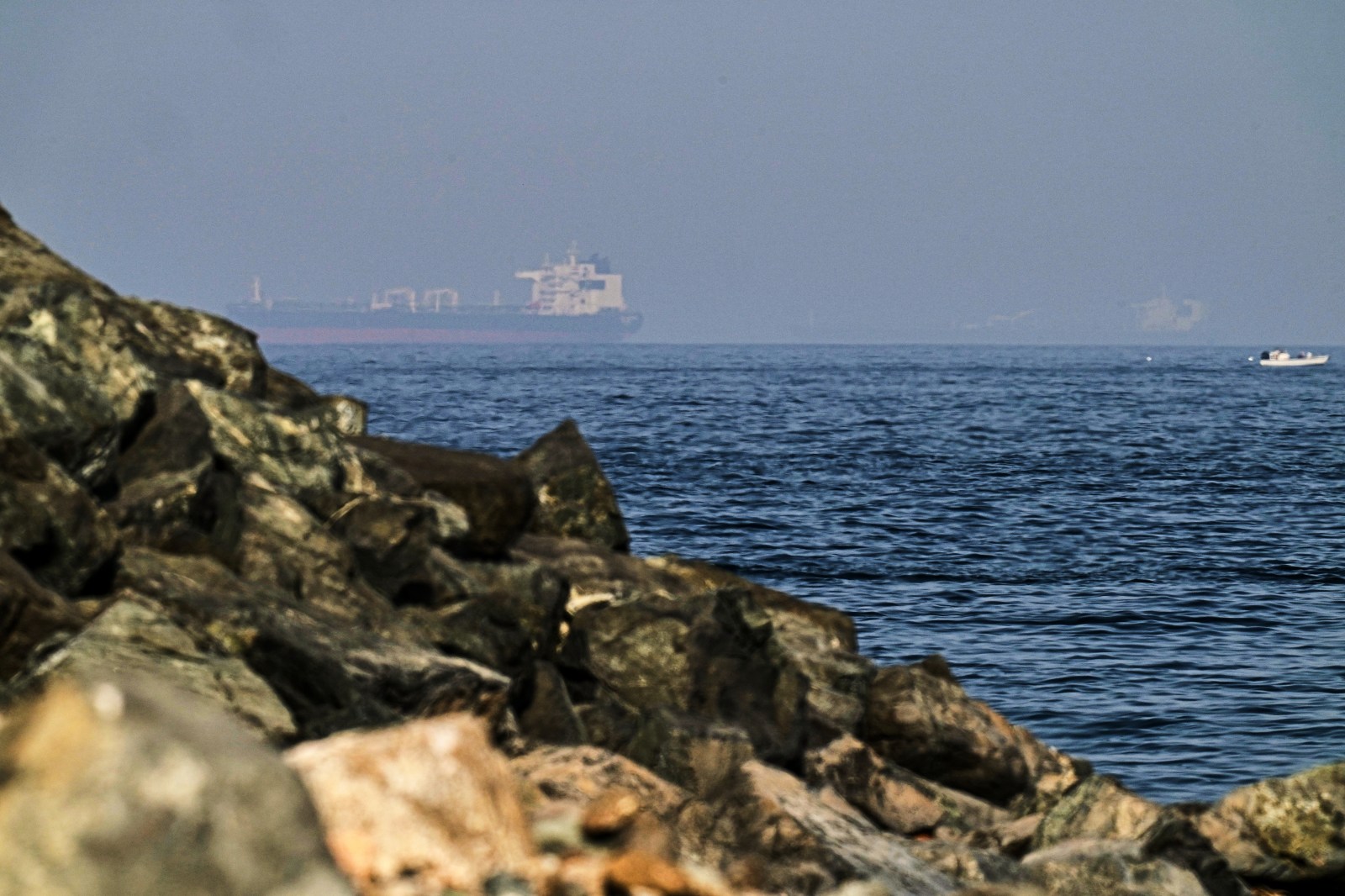
Iran’s Persian Gulf Strait Authority (PGSA) has introduced a new ‘Non-Compliant Vessels’ list. This list targets ships accused of not adhering to Iranian regulations in the Strait of Hormuz. The Strait is a crucial global shipping lane, connecting the Persian Gulf to international maritime routes.
Enforcement and Consequences
The PGSA stated that vessels on the list could face serious consequences. These include fines, detention, seizure, or confiscation. This move represents Iran’s increased efforts to control maritime traffic amid ongoing conflicts.
Iran’s Islamic Revolutionary Guard Corps (IRGC) has been operating a strict vetting process since March. Foreign-flagged vessels undergo checks and pay fees to transit Iranian waters. Iran insists these fees cover navigational aid, vessel insurance, and environmental protection, administered with Oman.
Global Impact
The Strait of Hormuz is vital. A large portion of the world’s oil and liquefied natural gas passes through it. Any restrictions on traffic through the strait are closely monitored by global governments, shipping companies, and energy markets.
Earlier, former U.S. President Donald Trump claimed American control over the strait, a claim Iran rejected. This geopolitical tension adds complexity to already challenging shipping operations.
Operational Implications for Shipping
The PGSA warns shipowners and cargo companies to review the list before chartering vessels. Violators face future transit restrictions and possible penalties. Ship-to-ship transfers or interactions with blacklisted vessels may result in additional listings.
Operators wanting removal from the list must submit a review request to the PGSA. The list is available online and updated as needed.
Details of the List
The list features dozens of vessels accused of violating transit regulations. It includes 46 vessels from 17 flag states, with a notable representation from Liberia and the Marshall Islands. Others are flagged to countries like India, Saudi Arabia, and Singapore. The complexity of international vessel registration complicates Iranian oversight.
Future Considerations
Shipping companies, charterers, and cargo owners will examine the new list to avoid disruptions. Maritime industry observers will look for enforcement actions against non-compliant ships.
This development adds uncertainty to Strait of Hormuz shipping. Increased security concerns and geopolitical tensions have already impacted maritime traffic in 2026. The potential effect on global goods prices, already rising since the conflict began in February, remains uncertain.