
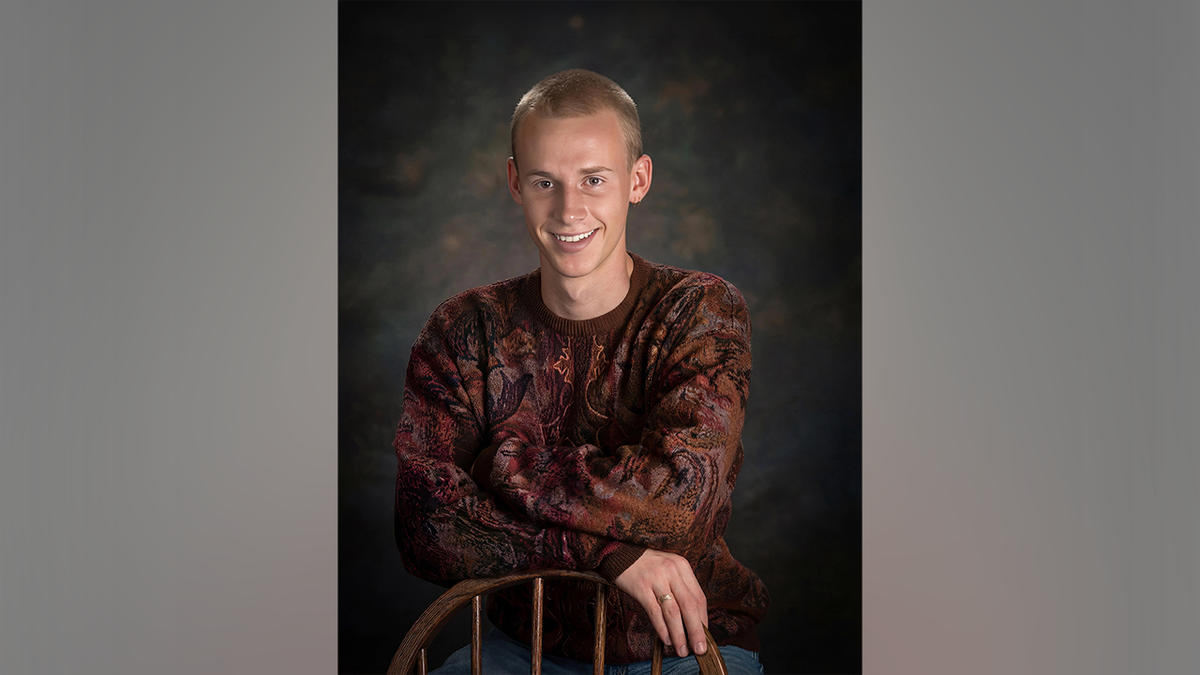
Twenty-five years ago, a UC Davis student, Andrew Wieman, was found dead in his fraternity dorm room with 29 stab wounds. Wieman, a 20-year-old junior in the Kappa Sigma fraternity, was discovered on January 4, 2001. His death was ruled a suicide after a 13-month investigation by UC Davis Police, the Yolo County Coroner’s Office, and the California Department of Justice.
Authorities cited several factors for their conclusion, including a handwritten note from Wieman’s room, the knife used belonging to Wieman and having his fingerprints, and no signs of forced entry. Additionally, the room was locked with secured windows, no missing keys, and Wieman had no defensive wounds. The investigation also suggested another person had been present in the room.
UC Davis Police Chief Calvin Handy described Wieman as a “troubled individual,” asserting that the totality of evidence pointed to suicide.
However, Wieman’s family never accepted this ruling, expressing concerns over whether all case aspects were fully examined. Emmy-winning producer Kyle Olson is revisiting the case in his podcast “Love & Justice,” with new episodes starting May 26.
Olson noticed inconsistencies while reviewing files and evidence. “When you start to piece all these things together, and then you hear the determination is suicide, it’s inherently something that brings curiosity,” Olson told Fox News Digital.
The case was notable for Wieman’s 29 stab wounds, a lack of drugs or alcohol in his system, and being found in a locked room. Unusual details included Wieman allegedly being “tucked into bed” and wearing earplugs, which were not widely discussed initially.
The podcast explores a 60-hour gap between Wieman’s last confirmed sighting and his discovery. “Sixty hours is a very long time,” Olson noted, questioning what happened during that period and whether anyone has unreported information.
Olson emphasizes the podcast does not aim for a predetermined conclusion, instead using modern forensic technology and expert analysis to reevaluate the case.
“We’re interested in hearing from all sides,” Olson explains. Diverse opinions may exist, with some possibly seeing evidence supporting suicide, while others may disagree.
The investigation involves global forensic experts, focusing on whether scientific advancements can clarify Wieman’s death circumstances.
“One of the biggest questions for me always comes back to feasibility,” Olson said. “Is it possible that someone can inflict 29 stab wounds to themselves, especially when multiple of those stab wounds are fatal?”
Olson believes new information might surface as time passes. People once hesitant to speak may now be willing to share details.
Season 1 of “Love & Justice” explored Ashley Love’s unsolved murder, Olson’s childhood friend, providing him insight into the lingering questions families endure.
Olson remains focused on truth-seeking for Andrew Wieman. “For me, I would really like to find justice for Andrew,” he asserted.
If you or someone you know is struggling, contact the Suicide & Crisis Lifeline at 988 or 1-800-273-TALK (8255).